The Heavyweight Road

Start

Grodzisk - before we hit the road
According to estimates by the Association of International Road Transport Carriers (ZMPD), over 550,000 Polish drivers work in transport. Each of them has their own story and reasons for choosing life on the road.
Iwona Blecharczyk, a truck driver and owner of the transport company Imagination, who has been choosing Continental tires for five years, gives us an inside look at the profession. In her content, she shows everyday life – from planning upcoming routes to the challenges she faces on the road. Her experiences remind us that behind every truck we pass on the highway, there is a person for whom the vehicle’s cab is both a workplace and a mobile home.
ㅤ
Delivery to more than just a road from point A to B
When we order a package, we primarily think about how quickly it will reach us. We rarely stop to wonder what happens along the way. Yet behind every delivery lies much more than simply transporting goods from point A to point B. It is a complex process involving both people and technology.
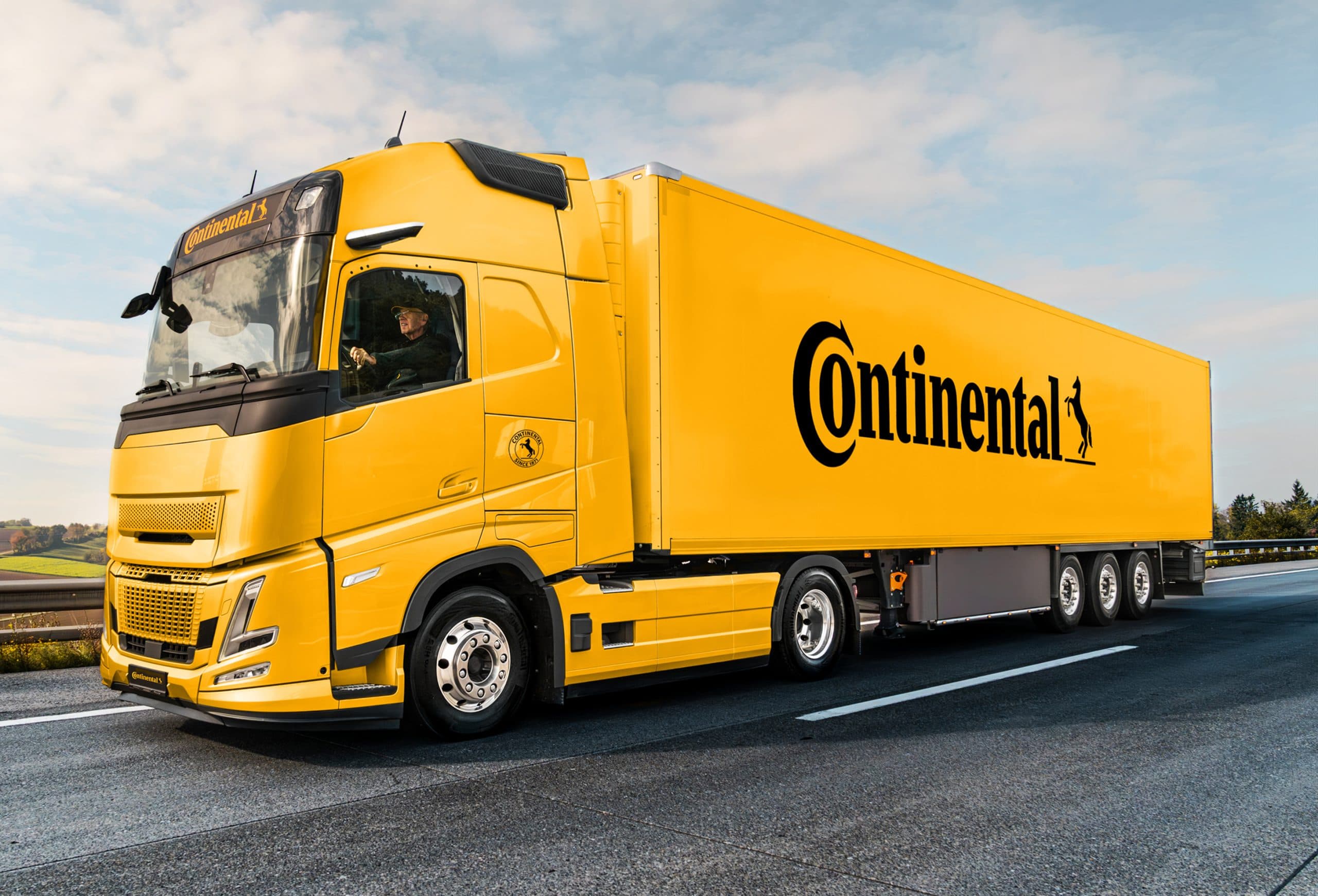
In the next installment of Continental Polska’s anniversary routes, we set off from Grodzisk Mazowiecki through Stryków and Piotrków Trybunalski to Wrocław to look at transport from the perspective of a professional driver. This time, we aren’t looking for picturesque views or tourist attractions. We want to show the behind-the-scenes reality of a job we rarely notice on a daily basis, even though its results shape our lives.
Safe and fuel-efficient driving starts with preparation.
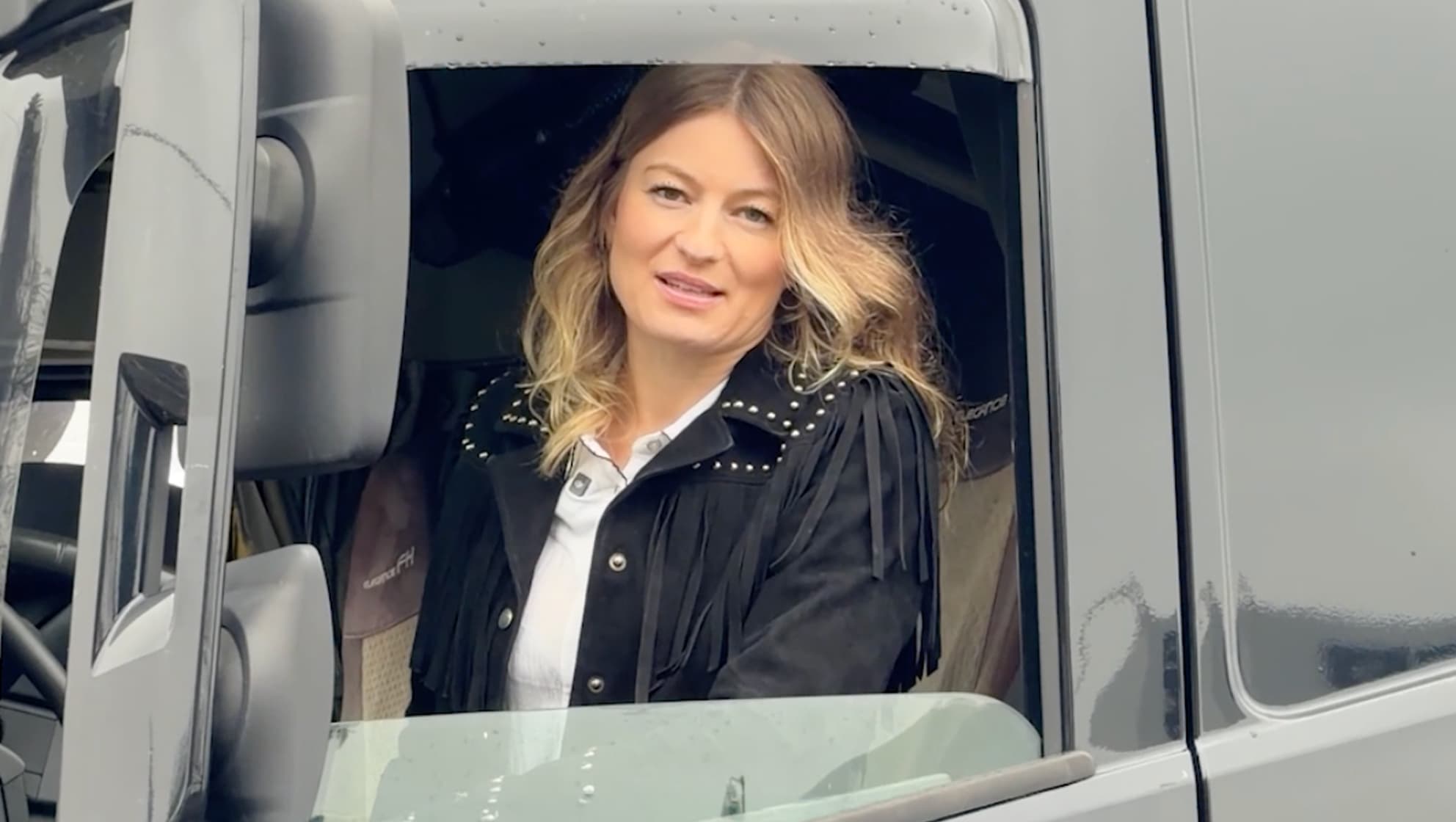
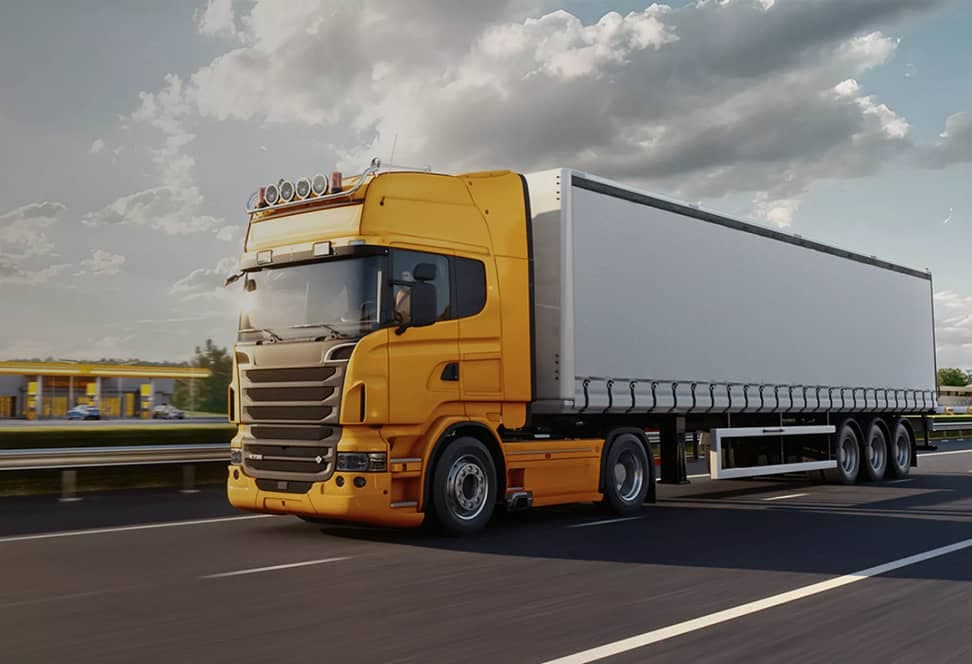
Iwona starts her trip long before turning on the engine. First, she prepares the vehicle, plans the route, and checks where she will be able to stop for mandatory rest breaks. One crucial element of her preparation is inspecting the tires. She pays close attention to their condition and checks the pressure, taking the vehicle’s load into account. This matters not only for driving safety – proper tire pressure also affects rolling resistance, and consequently, fuel consumption.
The heavyweight road isn’t just massive tractor-trailers, multi-ton loads, and thousands of kilometers on the odometer. Above all, it’s about people, their courage, the daily struggle with inadequate infrastructure, and an enormous responsibility where the margin for error is measured in centimeters. For 15 years, Iwona has been proving that no route is unconquerable, sharing an unvarnished look at how the world of heavy transport is truly changing.
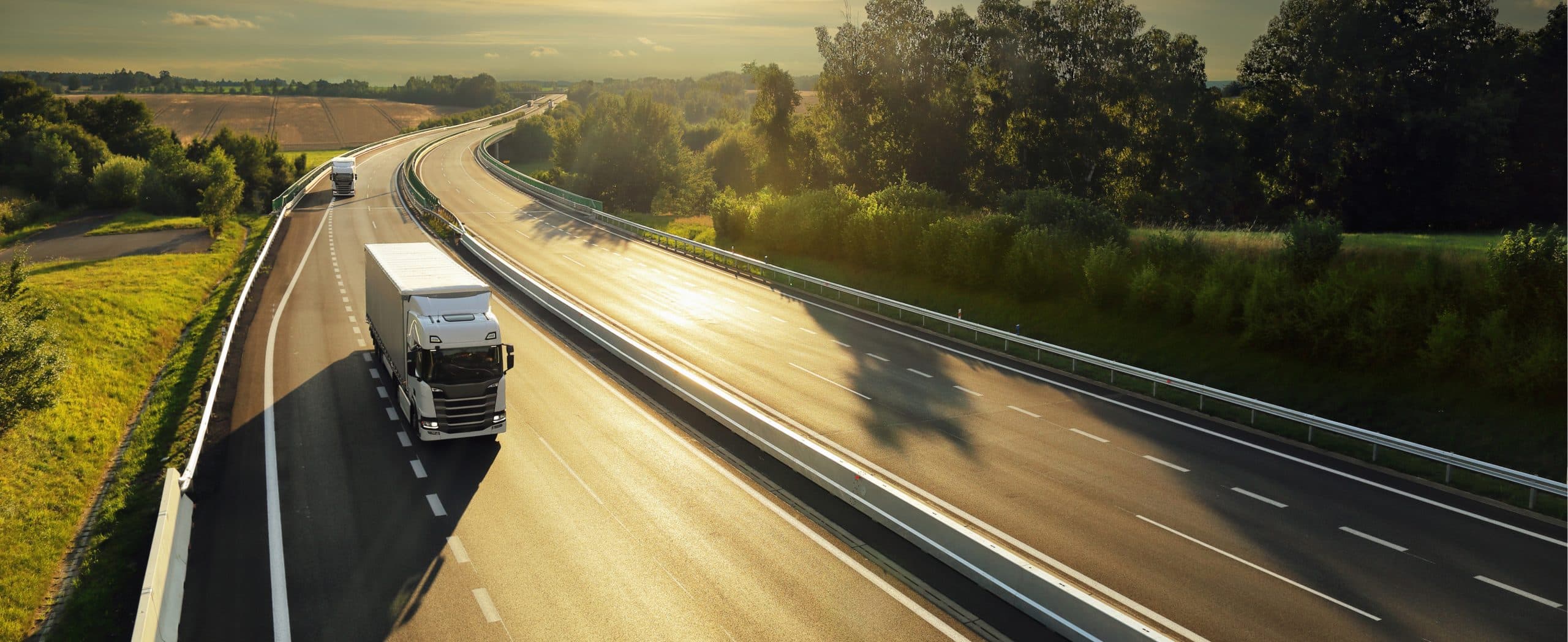
I grew up in the countryside and never went on vacations. I wanted to see the world while becoming independent and earning my own living as quickly as possible. When I thought about becoming a truck driver, I realized I could combine those two things. I could support myself through this job and travel to places I had never had the chance to see before. The beginnings were very tough. Nobody had heard of a female truck driver, and nobody wanted to hire a young woman. Fortunately, I was persistent, and I made it!
Joining the Schengen Area, new technologies, the Internet, and the Mobility Package. Technology has significantly eased the physical act of driving a truck; it no longer requires as much physical effort to steer and operate one. Along with affordable internet access came telematics, navigation with live traffic updates, and the ability to handle many tasks straight from the cab. The company sees where the truck is, the client knows when to expect delivery, and I can react sooner when something changes along the route. This has sped up transport considerably. I can also talk to my loved ones every day, even over video, without worrying about getting a massive phone bill when I get back.
On the other hand, social life at truck stops has nearly vanished. When I started out, drivers would get out of their cabs on weekends, cook together, and talk. Sometimes everyone spoke a different language, yet somehow we all managed to understand each other. Today, people much more often spend their evenings alone in their cabs. In the past, the driving profession was associated more with the freedom of the open road, the sense that you’d always find a fellow driver on the road willing to help, and challenges for the body, spirit, and mind. Today we have many conveniences, but we are also under intense time pressure. As drivers, we’ve gained a lot, but we’ve also lost a little.
There are also things that haven’t changed at all! Over fifteen years behind the wheel, I still see the exact same problems. At one parking area there’s no shower at all; at another, it’s dirty and only has cold water. Sometimes there is a single toilet and one shower for an entire truck stop, and your truck is parked half a kilometer away. That’s a kilometer round trip just to use the restroom. In the middle of the night, when you have to drag yourself out of bed, get dressed, and walk across the entire lot, it really takes a lot of effort. And as a woman, I also have to think about whether I’ll feel safe out there. Whenever I leave the cab at night, I always put on men’s clothes so it’s not obvious from a distance that a woman is walking by. Being tall helps, too. In those clothes, it’s harder to tell at first glance that I’m a woman. I also park my truck as close to cameras and lights as possible.
A few years ago, I recorded a video about these conditions, and in many places – especially in Western Europe – I still see the exact same thing. From my experience, Poland actually ranks among the countries with the best infrastructure for drivers. In many countries, it’s also getting harder to get a peaceful night’s sleep. At certain truck stops, slashed tarpaulins or fuel siphoned from tanks no longer surprise or concern anyone – not even the police.
Tires are the vehicle’s only point of contact with the road. They carry the weight of both the truck and the cargo, and it is through their grip on the pavement that the truck accelerates, turns, and brakes. Tire condition therefore determines whether I can hold my lane and how much distance I need to come to a stop, especially on wet roads. If a steer-axle tire blows out at highway speeds, you can instantly struggle to keep the rig in your lane.
Driving on ice roads in Canada taught me a great deal. On ice, you immediately feel how little traction you have. When you’re driving a loaded combination, you think much further ahead about where to start slowing down and how much space you’ll need to stop. Oversized transport, meanwhile, clearly shows what centimeters mean. When you’re hauling a wind turbine blade, you have to know the exact path the trailer wheels will take and how much space the tail end of the cargo will sweep through on a turn.
I also remember a situation right before loading 70 tons. One tire looked suspicious, so I drove to a repair shop. Once there, it turned out two tires needed to be replaced. Moments like that remind me why I do a walk-around inspection before setting off, even when I’m just heading out on a standard long-haul route.
That’s why I inspect my tires before every trip, check for damage, and keep a close eye on pressure.
The first major turning point was leaving school. Next came finding a driving job. Back then, I didn’t know a single woman who drove a truck, nor had I even heard of one. Later came oversized transport, followed by moving to North America, and eventually buying my own trucks.
Each subsequent step demanded more courage from me. There were plenty of sleepless – and sometimes tearful – nights, and with every transition, I had a mountain of things to learn and quite a few challenges to overcome. Several years passed between each of those decisions. Today, I feel that each one came at the right moment. I had managed to gain the experience that allowed me to take the next step, even if I didn’t feel ready for it at the time. Looking back, I sometimes can’t even believe how I managed to do it all.
Two drivers in particular stand out in my memory. The first taught me the fundamentals of the trade: a disciplined approach to work, responsibility for the equipment, and self-respect as a professional. He didn’t want people taking advantage of my rookie naivety. We drove together for a month, and during that time I learned lessons that later helped me find my footing when I was left alone in the cab.
I met the second driver only once, by chance at a truck stop, right at the very beginning of my journey. He was an older driver who had traveled nearly the entire world by truck. He showed me photos and shared stories from his routes. That single encounter was enough to make me realize the world truly was wide open – and that maybe one day I could experience something like that too. I still remember that conversation today. I regret never running into him again and not recording an interview with him. I believe stories like his deserve to be documented.
One scenario analysts talk about assumes trucks will drive autonomously on long, predictable stretches between terminals. A driver would pick up a trailer from a factory and bring it to a terminal, and on the other end, someone would take over for the last mile – navigating local streets, coordinating with people on-site, and backing up to the loading dock. Part of the job might also shift toward remote vehicle supervision. I think the driver shortage and the low number of young people entering the profession could accelerate these changes.
However, given how rapidly technology and the geopolitical situation are evolving, it’s hard for me to say what this job will look like thirty years from now. Maybe autonomous trucks will be cruising the highways, or maybe in some respects a driver’s daily reality will resemble the 1970s more closely. If there were less actual driving involved, I would miss those mornings behind the wheel when the road is still empty and daylight is slowly breaking.
What I’m waiting for most are very down-to-earth changes. I want a driver to be able to pull into a secure parking lot, take a hot shower, buy groceries nearby, and do laundry. I want drivers arriving for loading to know whether they’ll be waiting one hour or eight, instead of sitting in the cab the whole time with zero information yet forbidden from stepping out – even to use the restroom. And once loaded, when they need to take their mandatory rest break, they shouldn’t be kicked out past the gate and left parked on the roadside without access even to water. I hope we won’t have to wait thirty years for changes like these.
I used to dream of driving across Siberia, because that’s where my grandmother was exiled. I had even started working out the details, though the expedition ultimately fell through – much to my family’s relief. I don’t see a chance for that trip happening anytime soon.
I would also love to drive across Australia behind the wheel of a road train, though the thought of the spiders and snakes over there sparks a bit less enthusiasm than the rig itself. And when I heard that trucks had driven from Poland to China, I immediately thought I’d love to do that route too – ideally with my crew, so we could film a miniseries about it, somewhat in the style of Trucking Girl’s Adventures.
So there are still plenty of uncharted roads ahead of me 🙂
Stryków - thousands of trips a day
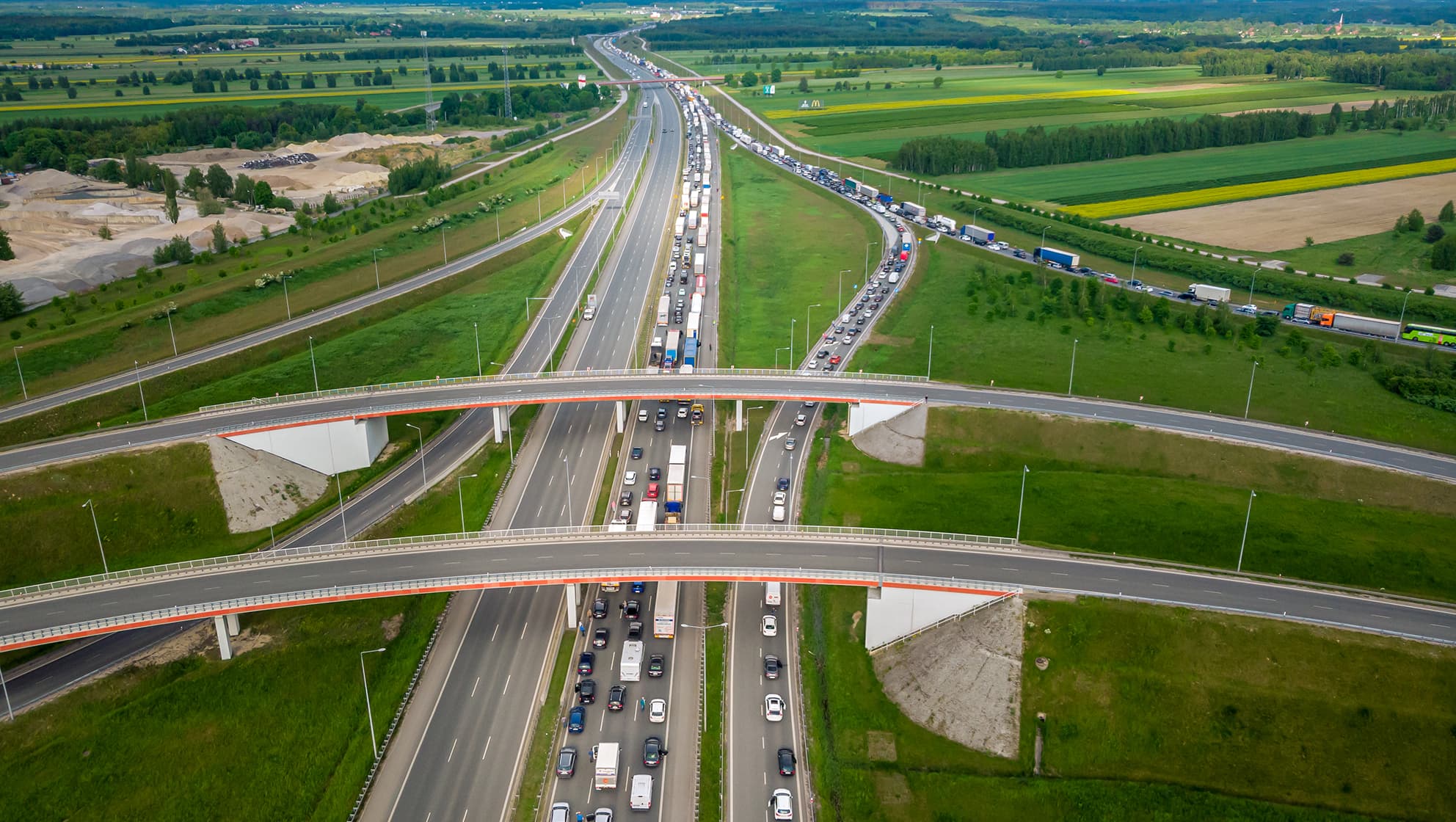
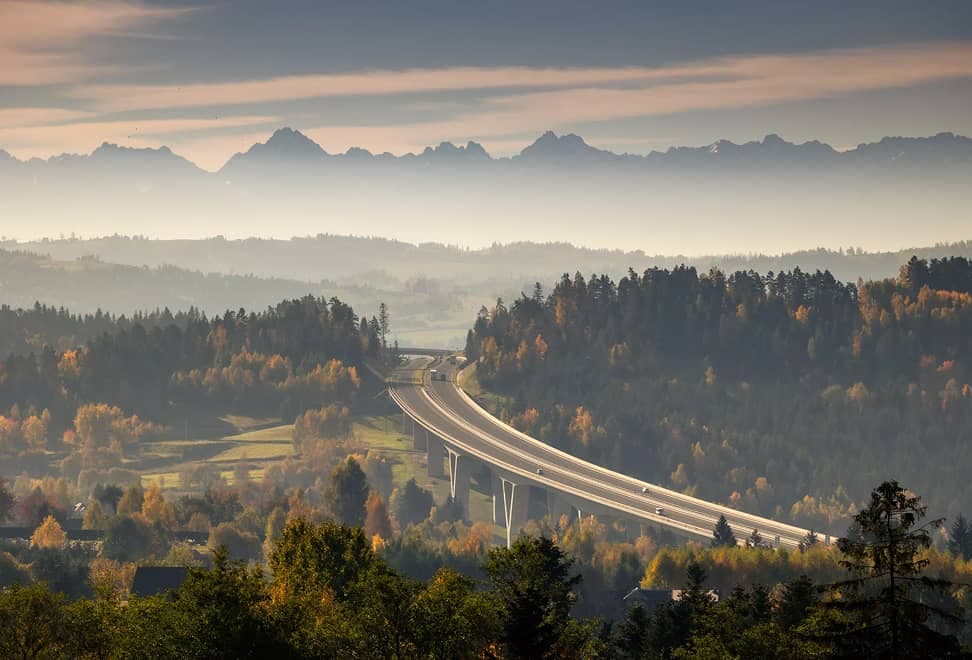
It is no coincidence that the Stryków area is one of Poland’s most vital transport hubs. This is where the A1 highway, connecting the north and south of the country, intersects with the A2, running from east to west. This location provides convenient links to major economic centers and has spurred the development of logistics hubs, warehouses, and transshipment terminals in the region.
In 2025, the A1 section between the Łódź Północ and Brzeziny junctions recorded an average of over 14,000 heavy-duty vehicle transits per day, including tractor-trailers and rigid trucks with trailers. Every shipment represents a different route and a driver ensuring the cargo arrives on time.
Saving fuel starts with your tires
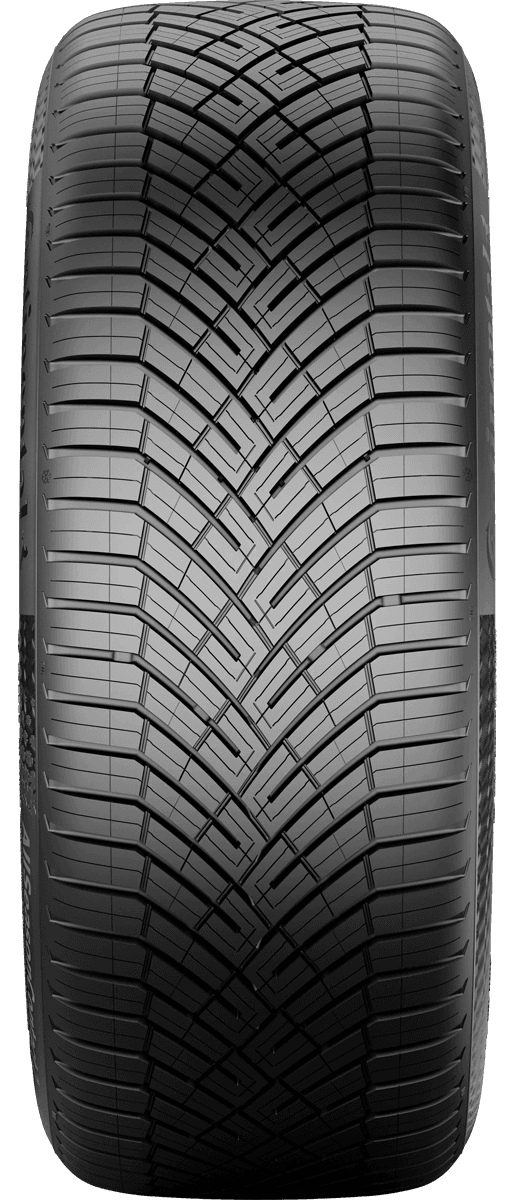
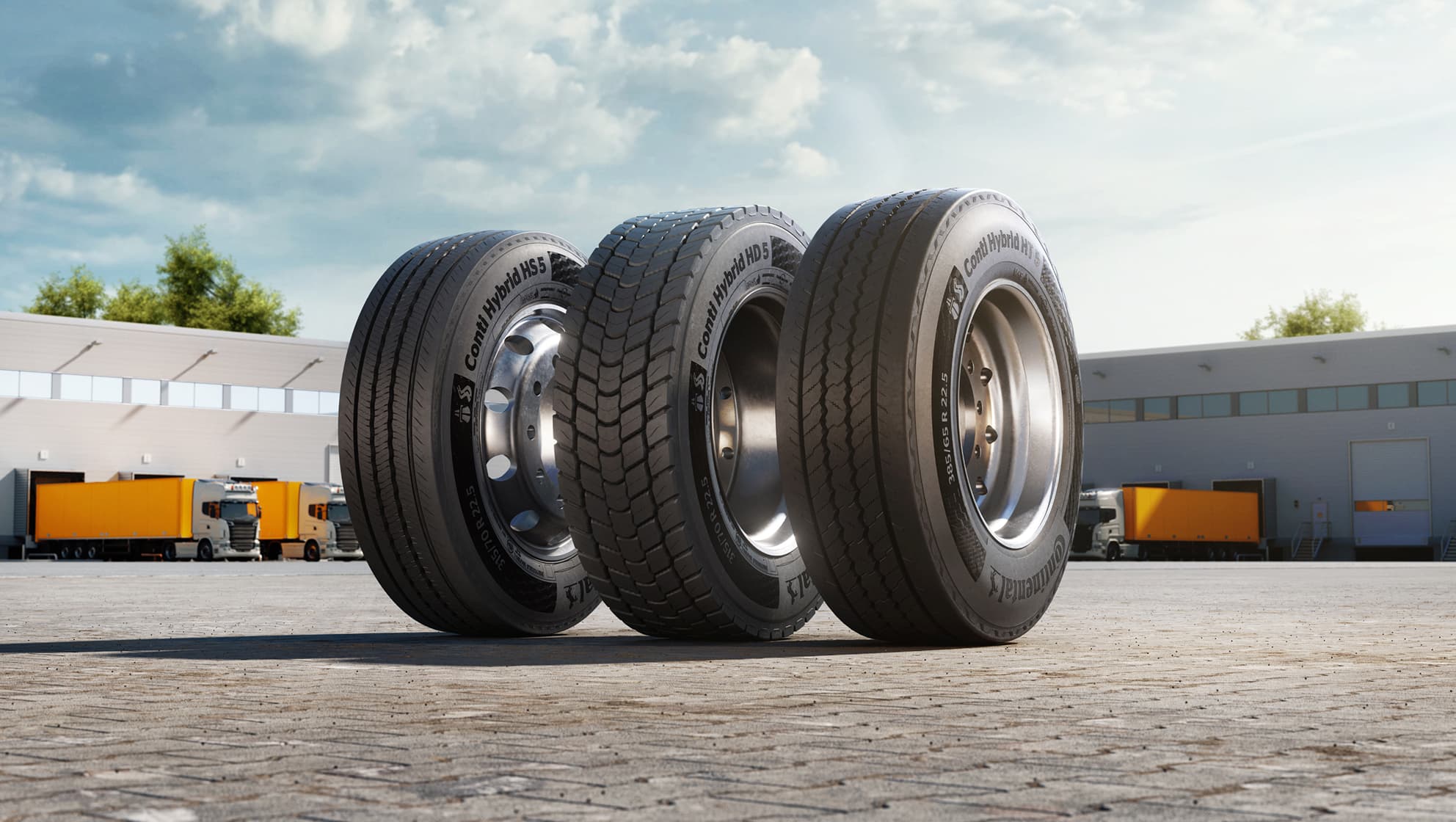
Equally critical are fuel costs, which are directly influenced by tire rolling resistance. The lower the energy loss during contact with the road surface, the less energy is needed to keep the vehicle moving, translating into lower fuel consumption. Over thousands of kilometers driven each month, this has a major impact on transport costs. That is why Continental developed its 5th Generation Conti Eco truck tire family, combining fuel-saving solutions with durability, high mileage, and strong grip. Individual models are engineered for specific vehicle axles:
- Conti Eco HS 5 – for the steer axle, i.e., the front wheels responsible for steering the truck.
- Conti Eco HD 5 – for the drive axle, which transfers engine power to the road.
- Conti Eco HT 5 – for trailer axles, whose tires also impact the rolling resistance and fuel consumption of the entire combination.
Piotrków Trybunalski - plan the stop, eliminate surprises
Taking a rest break on the road is mandatory. A breakdown that immobilizes a truck is a completely different story. Modern technologies help detect potential issues early on.
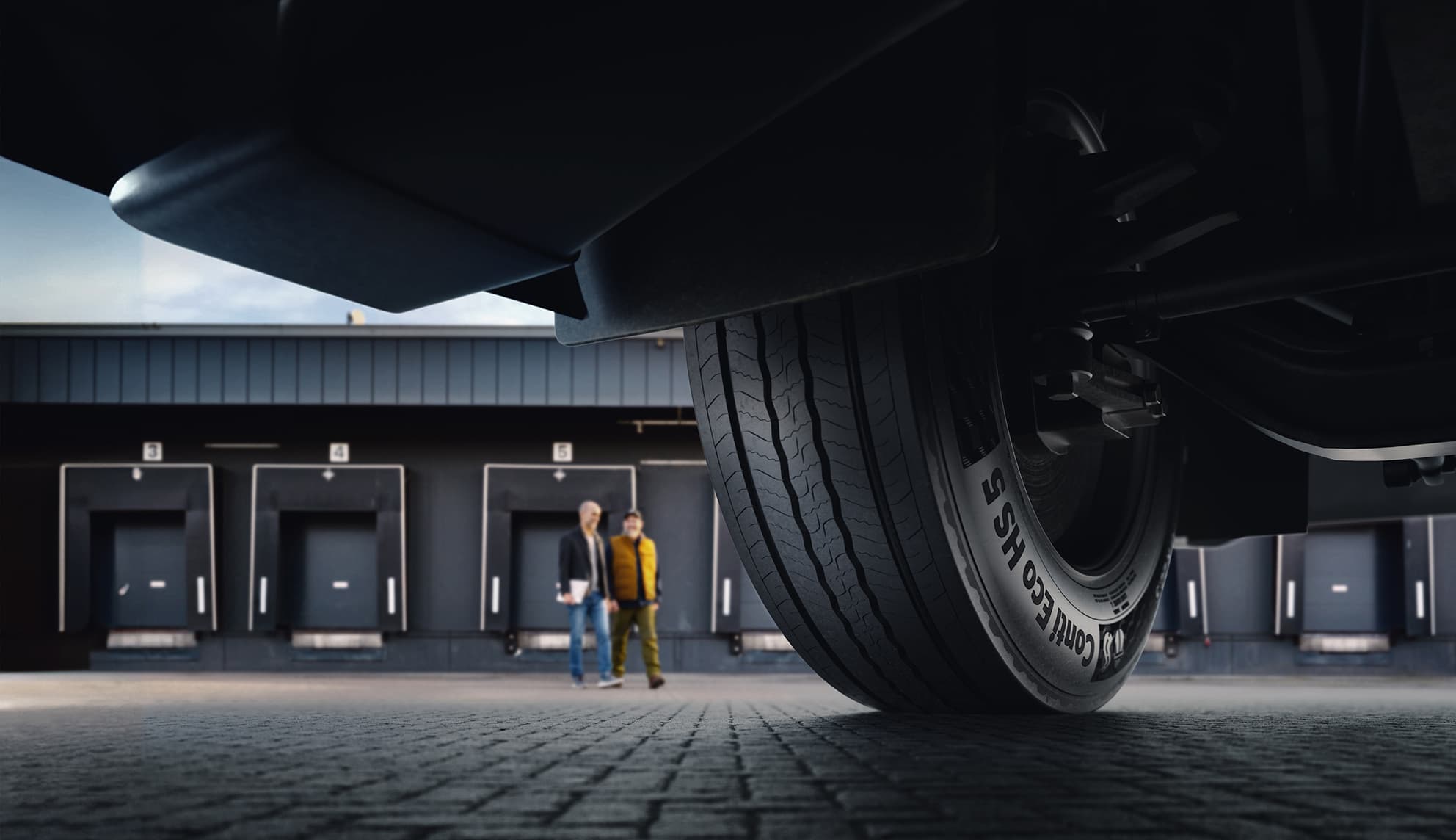
One example is Continental’s Conti Eco HS 5 and HD 5 truck tires, which come factory-equipped with specialized sensors that work alongside the ContiConnect management system to enable remote monitoring of tire parameters. Thanks to them, fleet operators can spot irregularities faster and schedule maintenance proactively.
Wrocław: the end of the run for some, the beginning for others
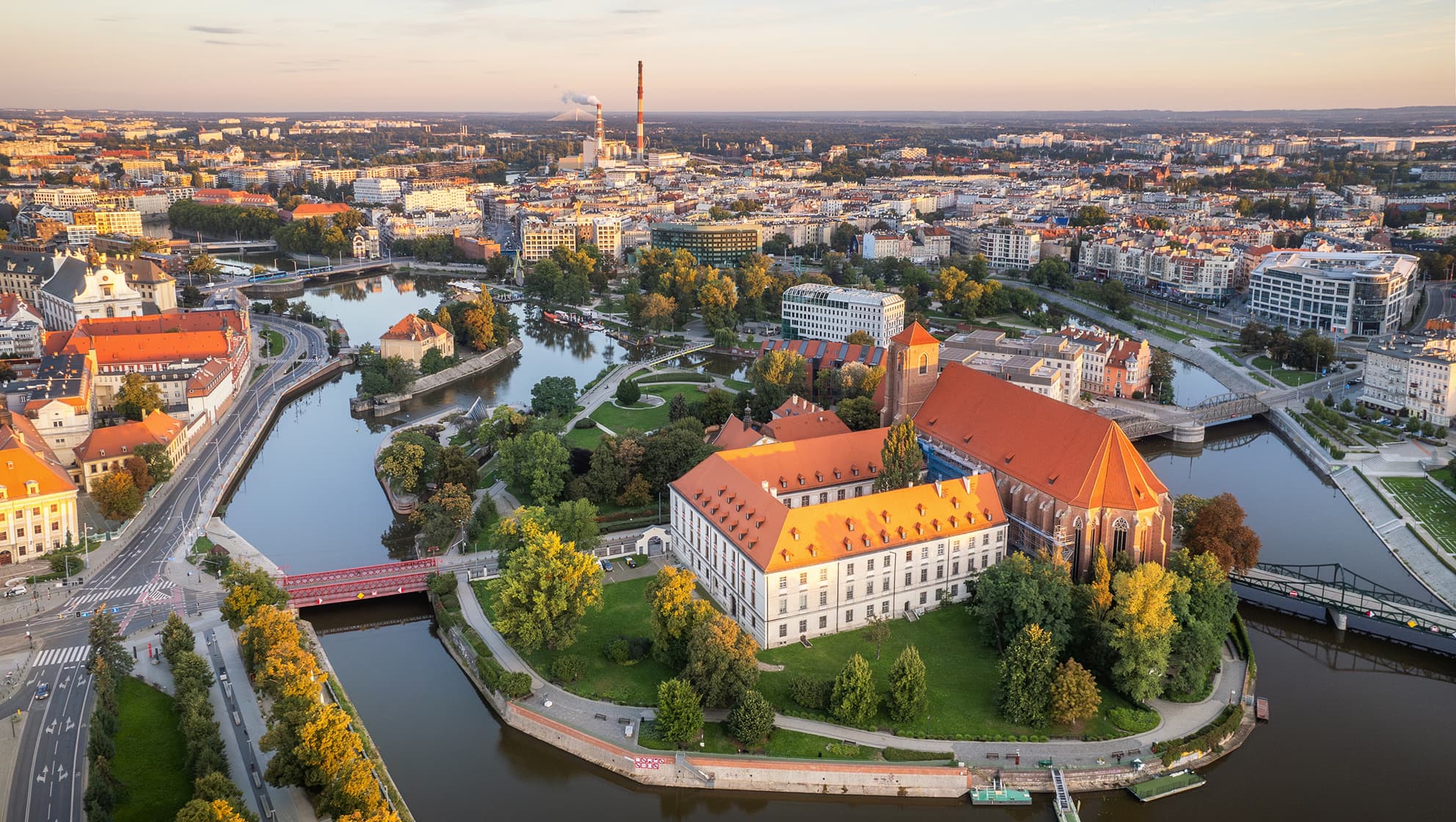
Our route ends in Wrocław, but the journey of the transported goods continues. Winter tires reach a new owner who is heading off on a ski trip soon. A spare part arrives at a repair shop, allowing a mechanic to finish a job.
The scale of daily deliveries is immense. In 2025, Polish road transport carried over 2 billion tons of freight domestically and internationally. Behind that figure are millions of products reaching stores, businesses, and our homes every single day. We rarely think about the road they traveled. Yet far more depends on the efficiency of transport than just on-time delivery – including the day-to-day operations of countless companies and the fulfillment of our own plans.
Transport that powers everyday life
The scale of daily deliveries is enormous. In 2025, Polish road transport transported over 2 billion tons of cargo domestically and internationally. This figure represents millions of products that reach stores, businesses, and our homes every day. We rarely consider the journey they take. However, much more than timely delivery depends on transport efficiency – it also affects the daily operations of many businesses and the implementation of our plans.

Route details
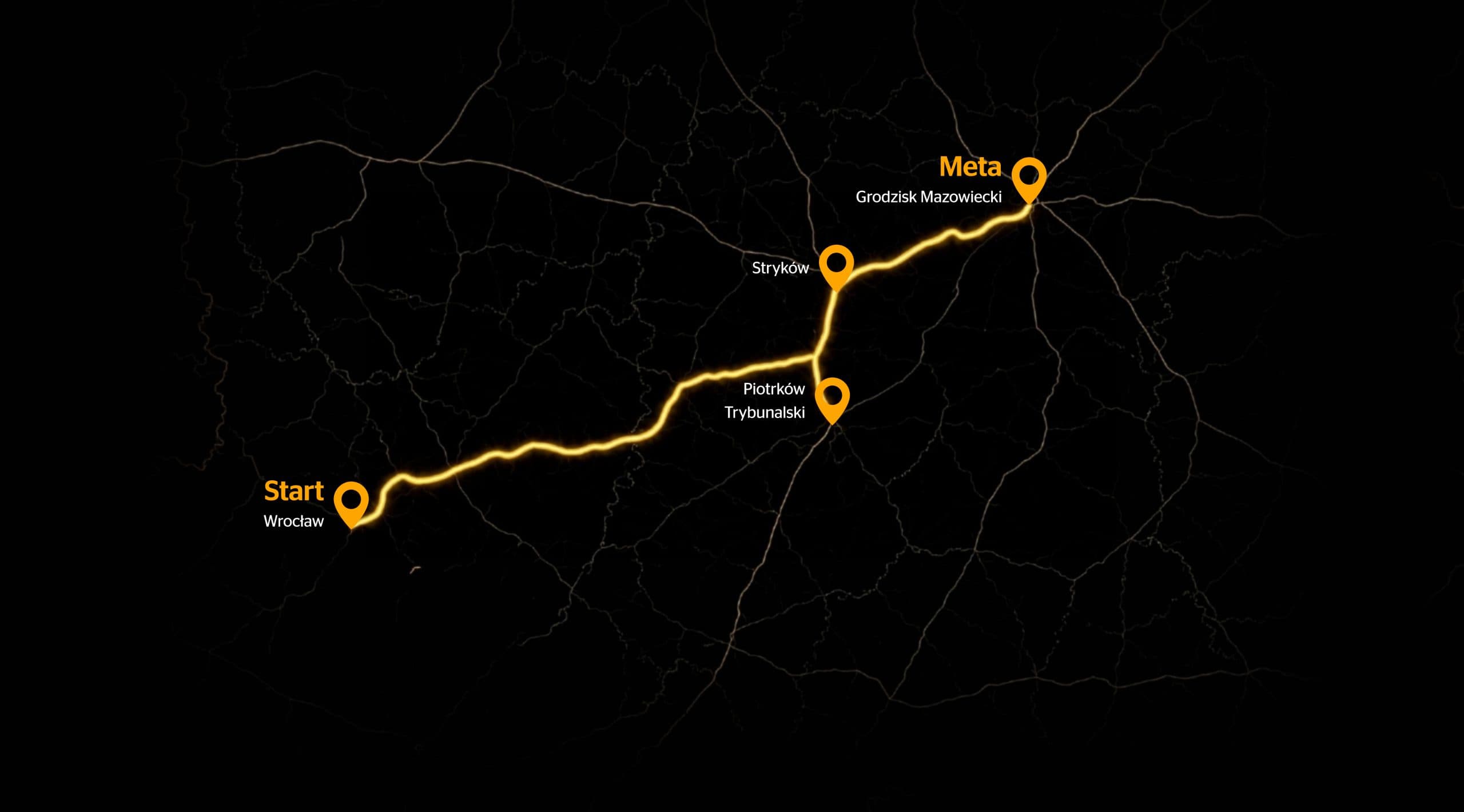
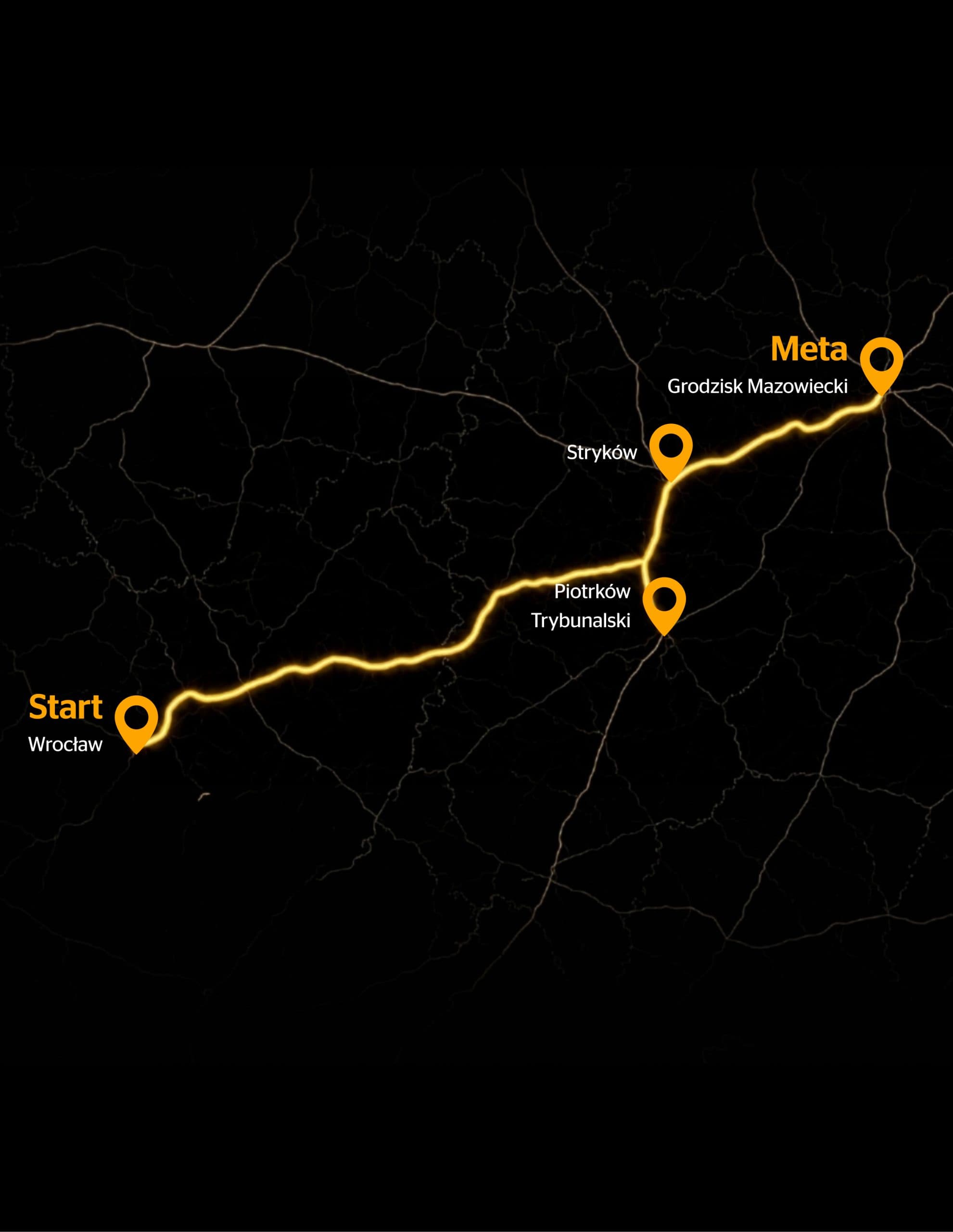
Finish
But the journey doesn’t end here — explore other roads










The path to building strong position on the Polish market
Explore route details