The Road with an ‘L’ on the Roof

Start

A Passport to adulthood
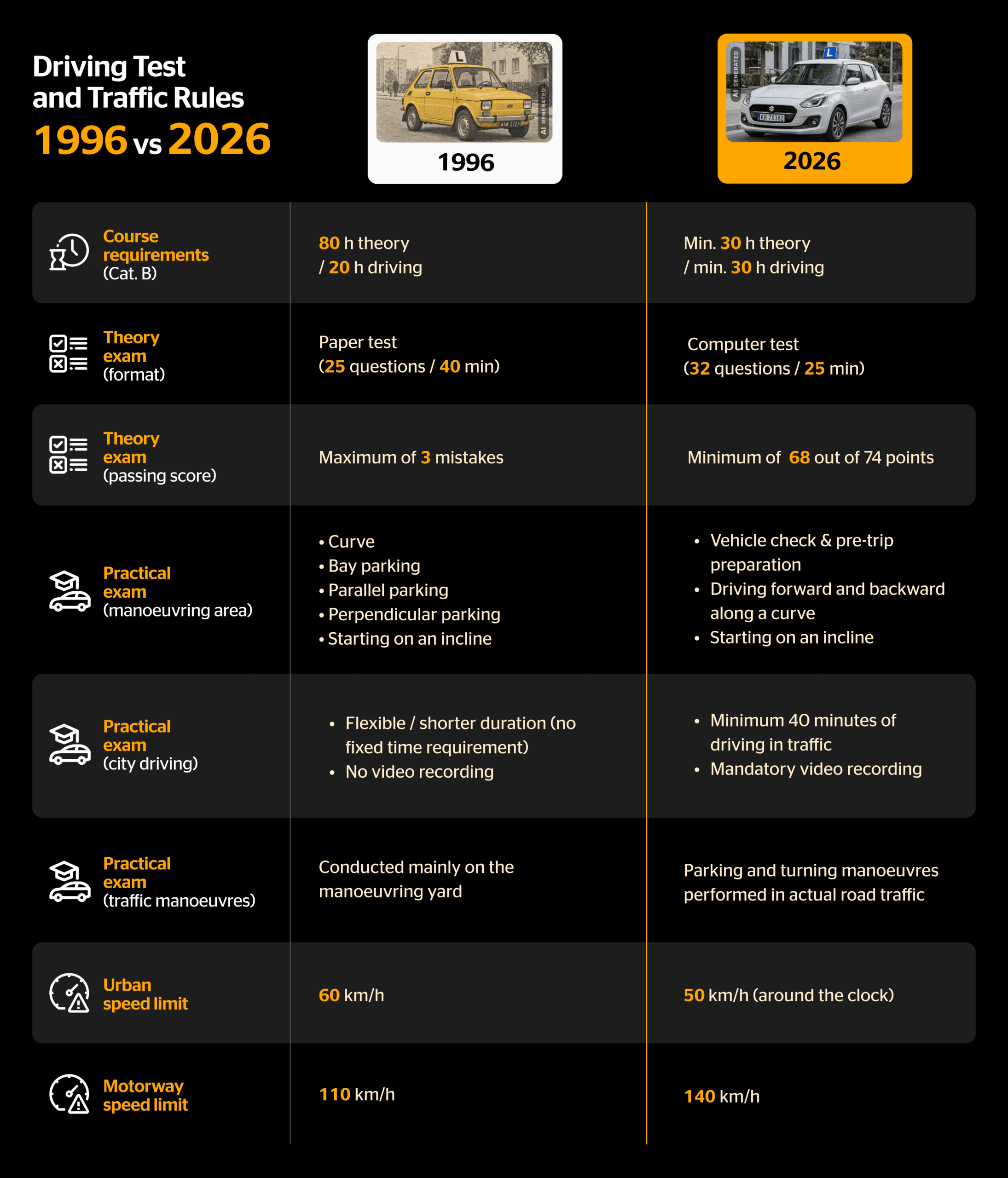
In 1996, owning a car was more than just a means of getting to work, it was a symbol of freedom. First, however, one had to obtain the necessary credentials. A driver’s license served as a kind of passport to adulthood. The driving test in the mid-90s was quite different from what it is today.

30 Years of the road to a Driver’s License
Thirty years ago, the path to obtaining a driver’s license began with a paper-based test, continued with maneuvers in a coned-off and concluded in a vehicle without power steering. Today, learner drivers complete their tests on a screen, park on actual streets, and the examination vehicle might even assist in keeping the car within its lane. Much has changed: the cars, the test tasks, the regulations, and even the tires. Yet, it is still the individual who must prove they have the skills to drive. As Continental Opony Polska celebrates its 30th anniversary, we take a look at how the journey to getting a driver’s license has evolved.

On the Road with an ‘L’ on the Roof

How has the driving test changed over the past 30 years?
The Maneuvering Area: the curve, incline, and parking box
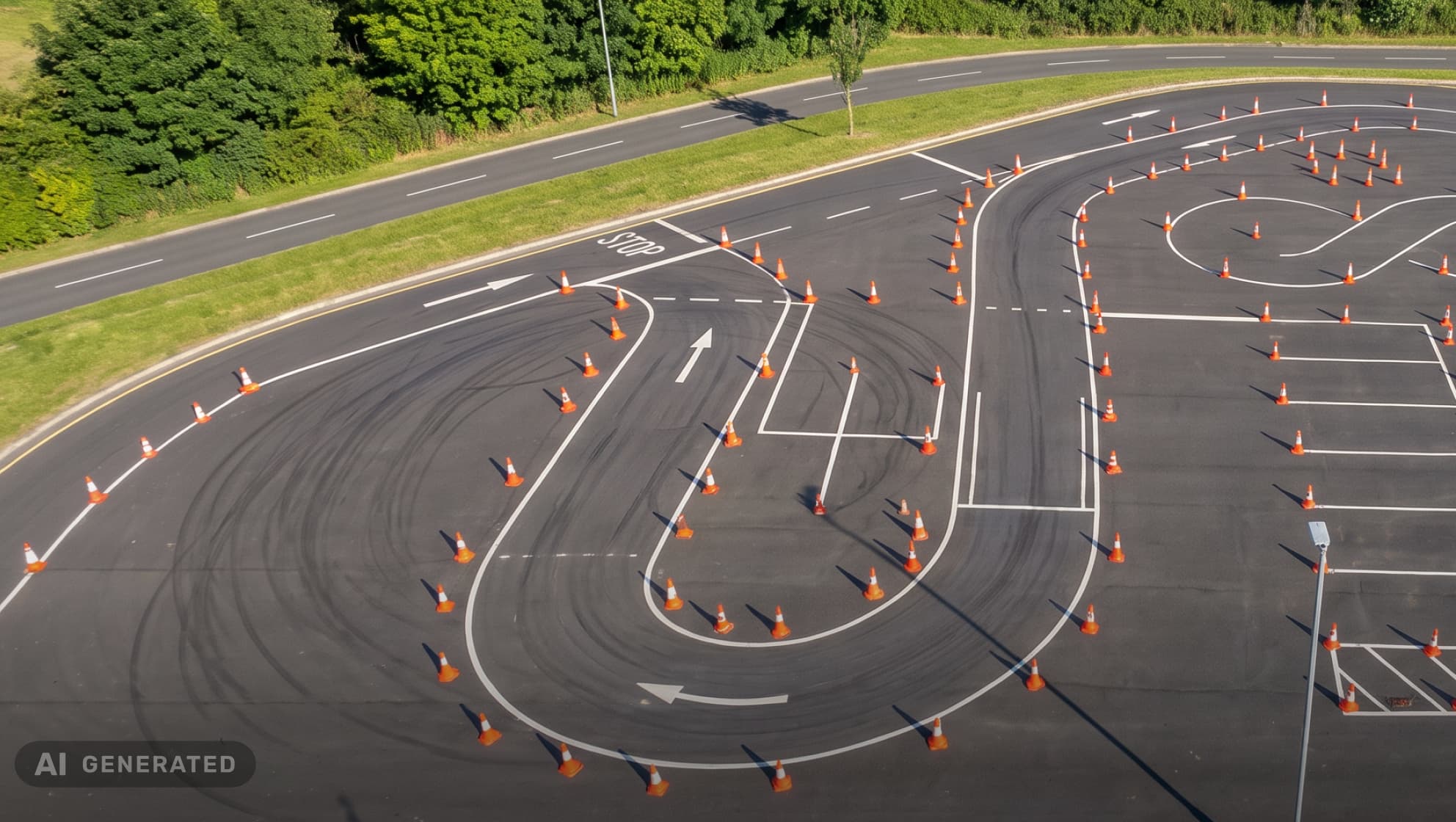
The maneuvering area was introduced to the driving test in 1992, alongside the establishment of regional examination centers – the predecessors to today’s WORD (Driver Examination Centre). Its purpose was to ensure that a learner driver had control over their vehicle before venturing onto public roads. The maneuvering area of the 1990s was more demanding than it is today; in addition to driving along a curved path and starting on an incline, candidates had to perform two out of three types of parking: angled, perpendicular, or parallel – all within a designated „box” marked by lines and traffic cones. Crossing a line or touching a cone resulted in an immediate failure. In 2005, parking maneuvers were moved to public roads, leaving only the following requirements for the Category B test on the maneuvering area: vehicle preparation, driving forward and in reverse within a marked lane,
and starting on an incline.
Smarter Cars
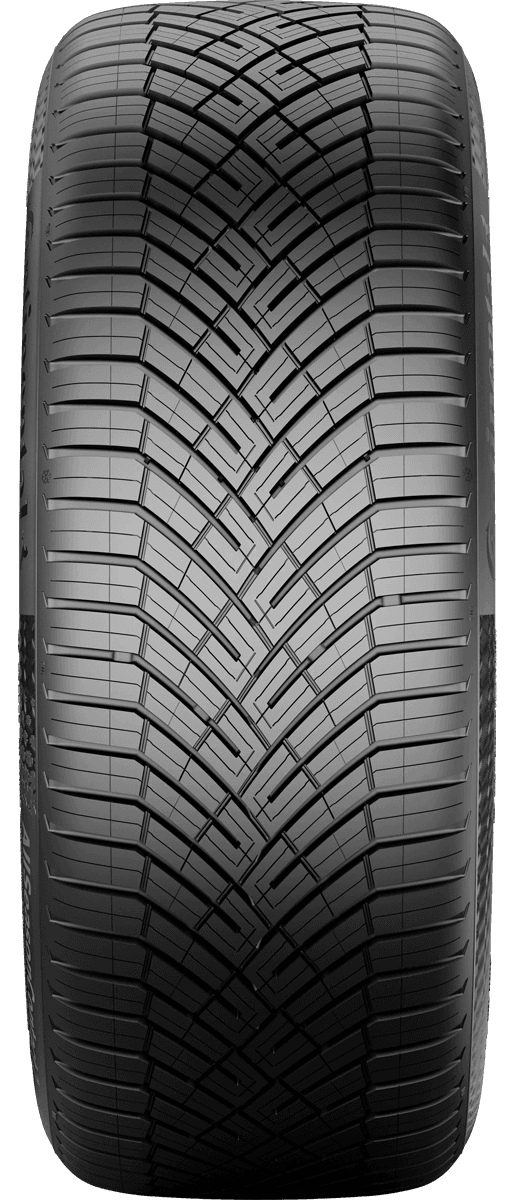
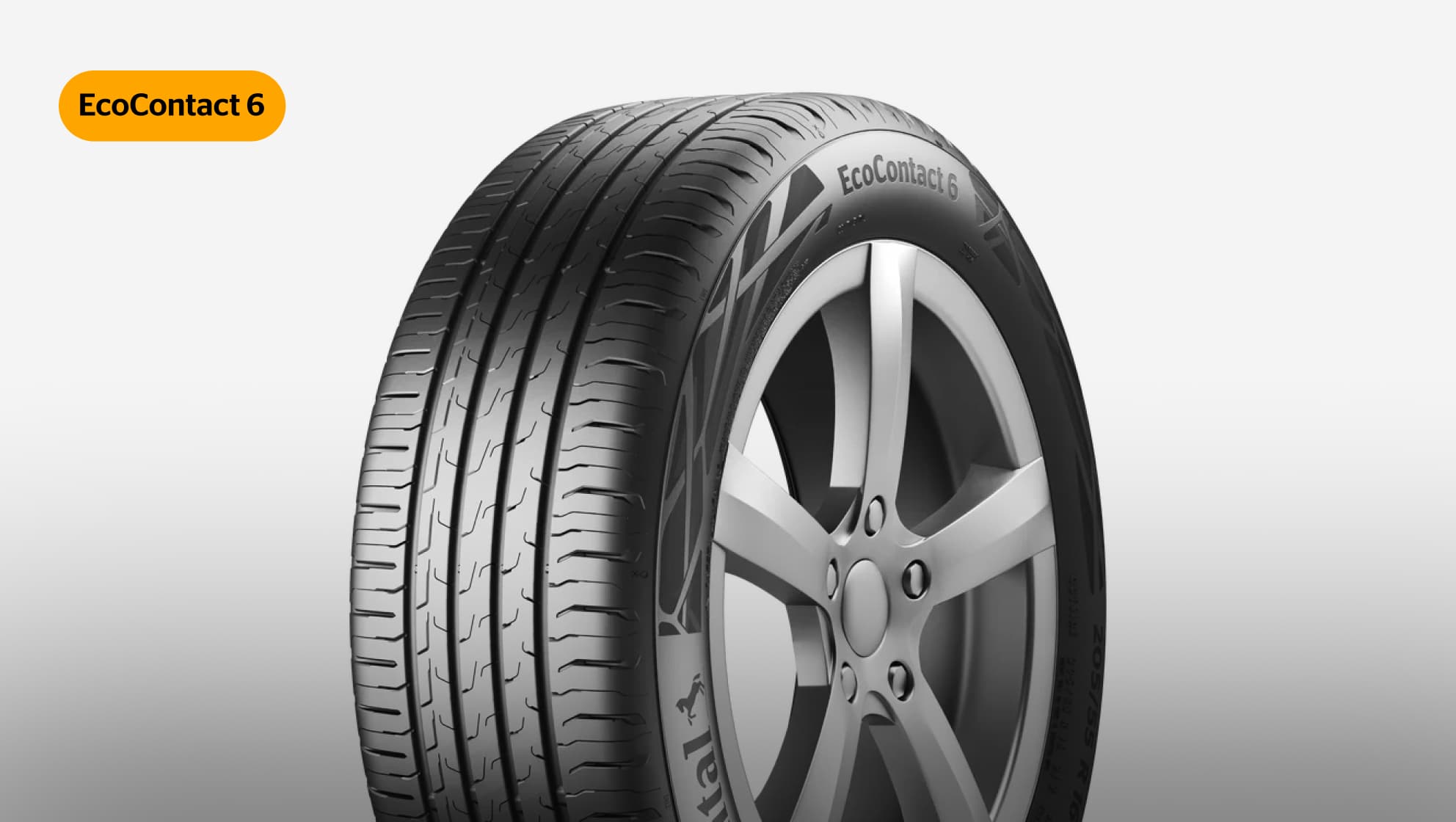
There is a huge technological difference between a classic Maluch and the latest electric vehicle. Yet, they share one fundamental commonality: tires are their only point of contact with the road surface. In the past, every driving school kept two sets of tires: for summer and winter. Today, vehicles used for driving tests are equipped with all-season tires, which perform reliably in urban conditions throughout the year.
Over the last three decades, tire technology has come a long way. Tread patterns and rubber compounds have evolved, leading to improved grip on wet surfaces and greater durability. Continental has consistently invested in new technologies and solutions. In 1991, the company introduced the ContiEcoContact – a tire designed for lower rolling resistance without compromising safety. By 1994, the company was testing the use of silica in tread compounds, and a year later, it incorporated this material into a mass-produced tire: the ContiEcoContact CP. This additive helps strike a balance between shorter braking distances on wet roads and lower rolling resistance.
From the "Maluch" to the Swift
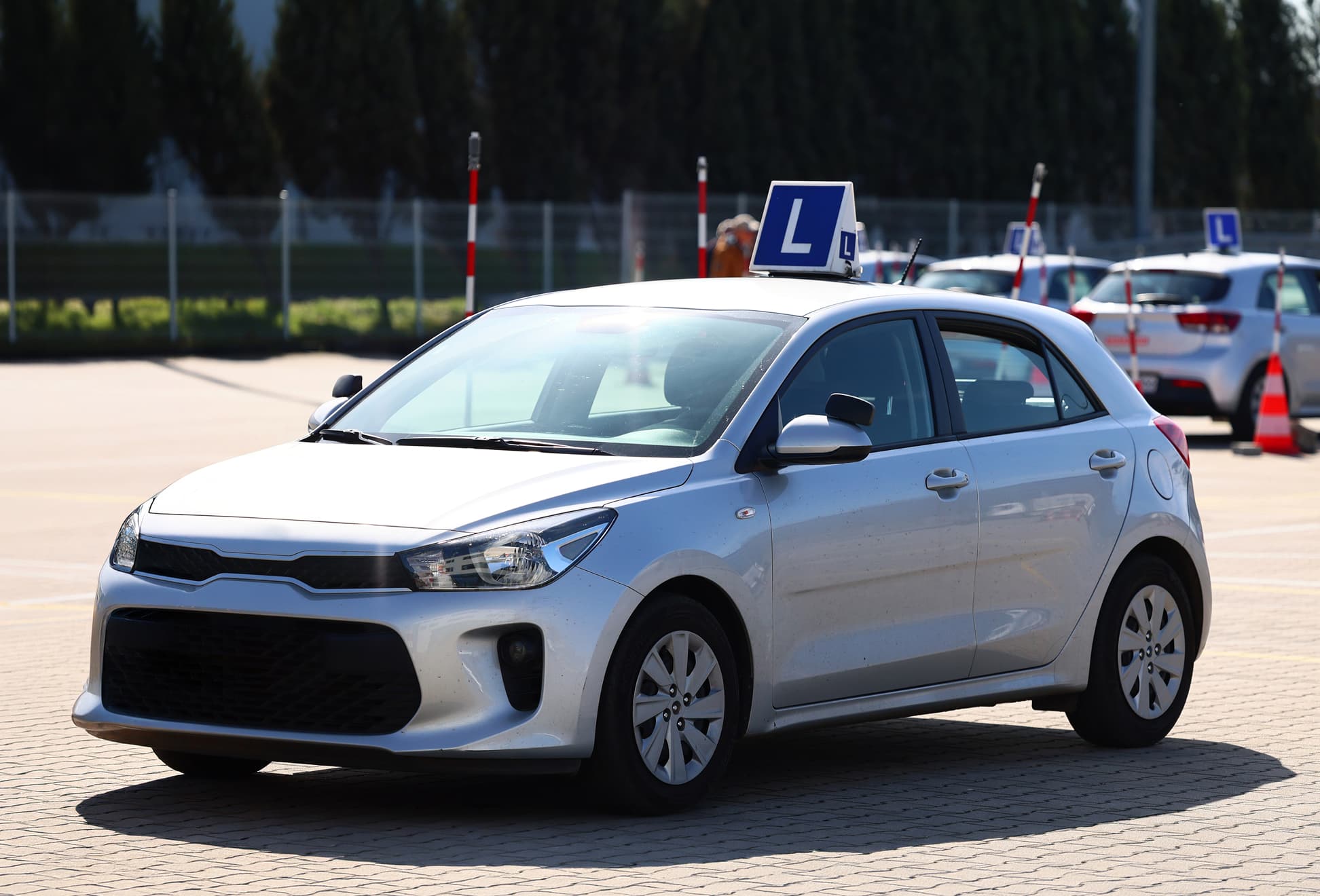
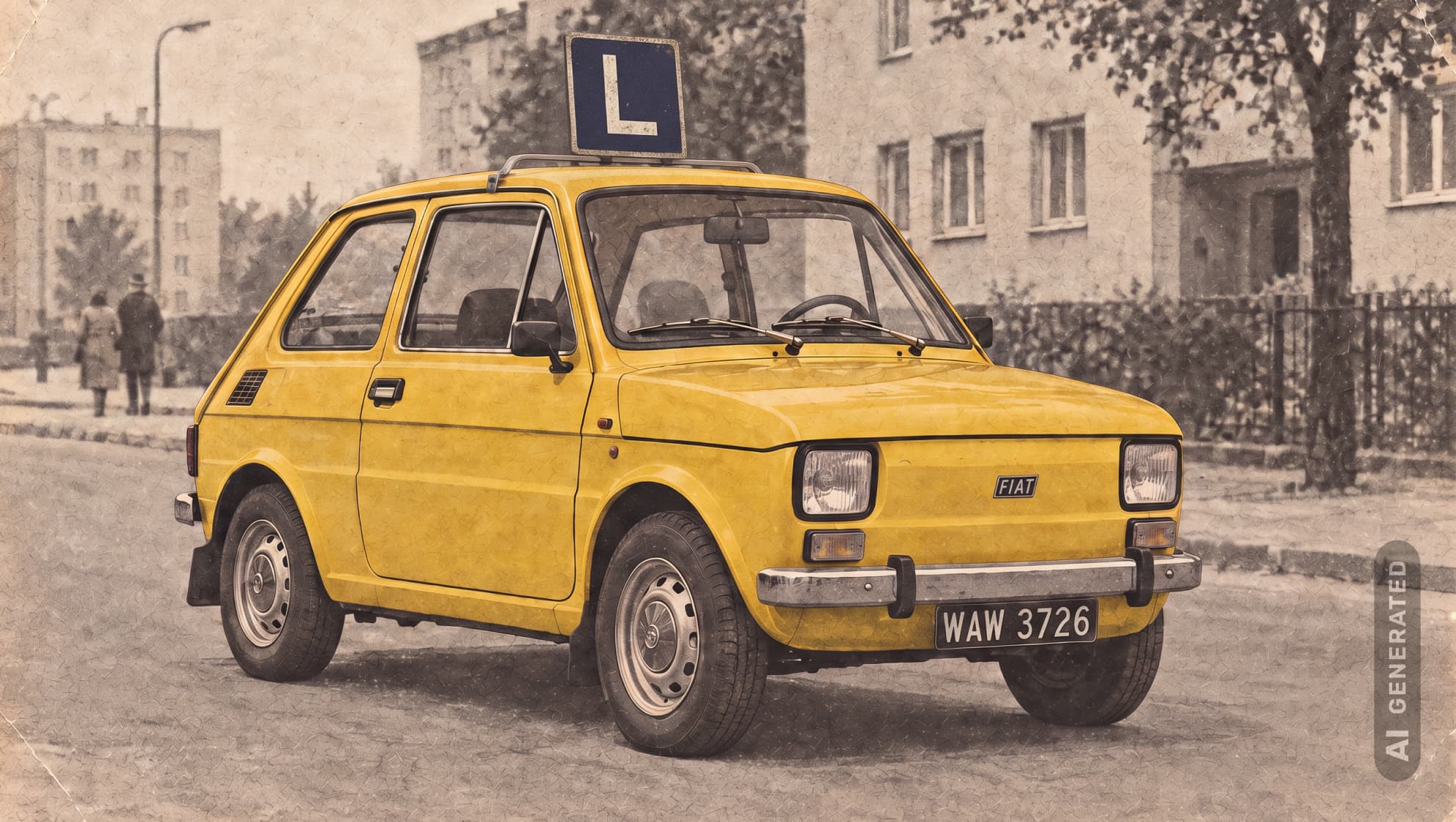
The vehicle used for driving tests serves as the ultimate chronicle of change. Back in the early 1990s, learner drivers took their tests in Fiat 126p models and Polonez cars. Imagine a car with no touchscreen, no rearview camera, no automatic emergency braking, and no hill-start assist. You had to turn the steering wheel with real physical effort, shift gears with a delicate touch, and judge your distance from a post entirely by eye. For drivers in the 90s, this was simply the norm. The Fiat 126p was just over three meters long; it was nimble, but the lack of power steering and its modest performance took some getting used to. Toward the end of the decade – as the regional driving examination centers (WORDs) were being established – Skoda Felicias and Fiat Puntos began to appear, followed by the Opel Corsa. In Warsaw, the Corsa was replaced by the Toyota Yaris in 2008, then the Hyundai i20 in
2015; nowadays, candidates take their tests in a Suzuki Swift.
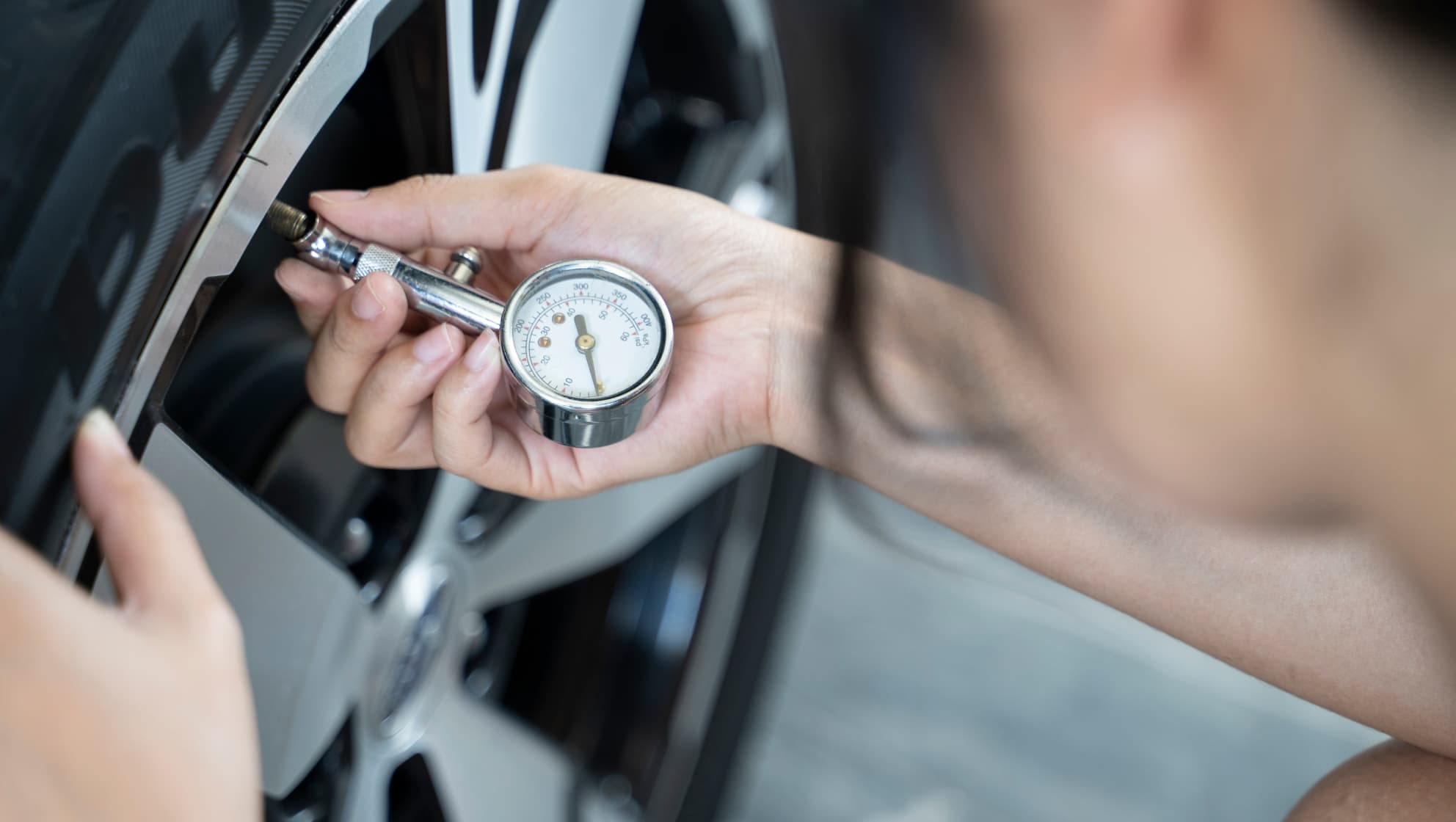
When designing tires, engineers must reconcile a wide range of requirements:
Strong grip on both dry and wet surfaces, durability, low rolling resistance, and the integration of innovative materials and technologies. Meanwhile drivers tend to take a more practical view: how much does it cost, how long will it last, and can it be trusted in challenging conditions?
Both perspectives share a single touchpoint. Whether you are driving a thirty-year-old classic or a modern vehicle equipped with intelligent driver-assistance systems, it is the tires that maintain the car’s connection to the road. Therefore, regularly checking tire pressure and tread condition is one of the simplest and most inexpensive ways to improve safety, while also potentially extending the lifespan of your tires.
Ten kilometers testing more than just driving ability
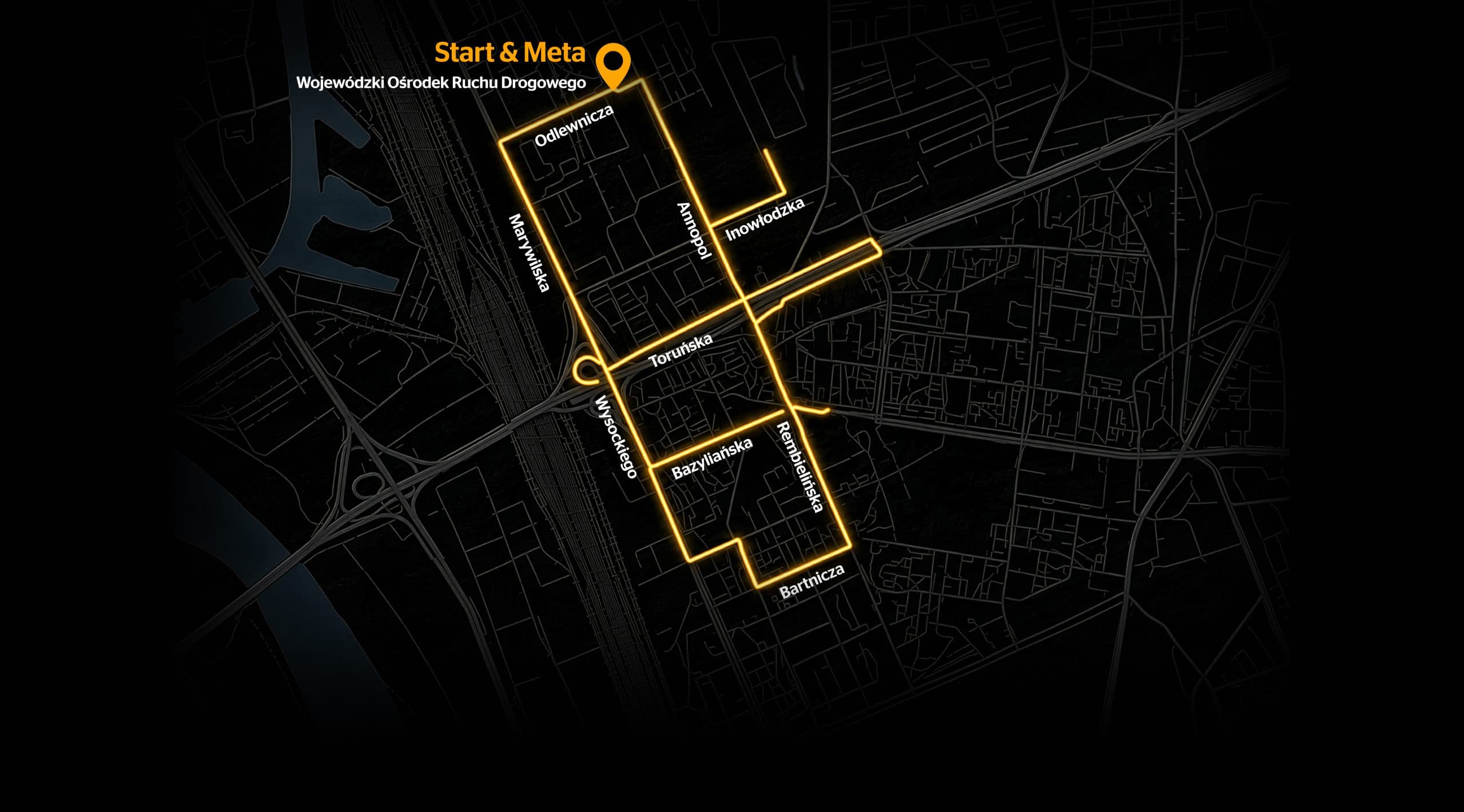
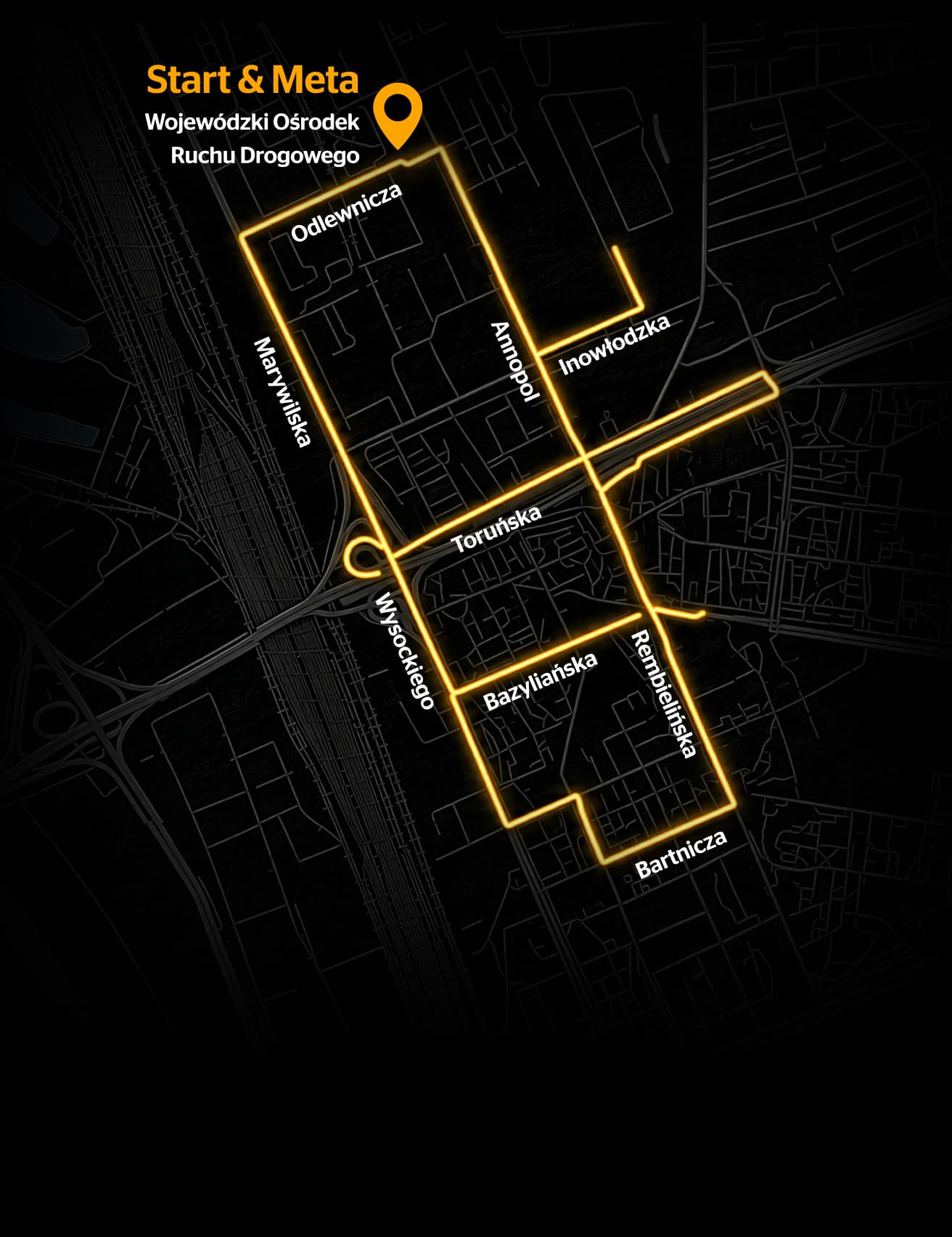
Is there a route that can put most of a prospective driver’s skills to the test? We drove one such route in the Bródno district of Warsaw. It begins at ul. Odlewnicza 8, at the main WORD facility in Warsaw. The route leads along ul. Warszawskich Tramwajarzy, continues onto ul. Rembielińska, and then follows ul. Toruńska—a local road running right alongside the S8 expressway—before turning into the heart of the old Bródno neighborhood. Here, it winds through Poborzańska, Bartnicza, and Bazyliańska streets – narrow thoroughfares lined with apartment blocks, parked cars, and pedestrian crossings, where local traffic demands a great deal of patience. The return leg follows ul. Marywilska. In total, it covers about 10 kilometers – a stretch that requires not only a solid grasp of traffic regulations, but also quick reflexes, the ability to anticipate, and a calm, composed demeanor.
The Same Principles
Over the 30 years that Continental has been present in Poland, the automotive landscape and our roads have changed beyond recognition. Cars have become safer, and technology helps us avoid mistakes. Yet, even the best systems cannot replace a driver’s attentiveness, foresight, and sense of responsibility. For while we have come a long way as drivers over these three decades, the fundamental principles of safe driving remain unchanged.

Trip details
Finish
But the journey doesn’t end here — explore other roads













The path to building strong position on the Polish market
Explore route details