
The road through three decades

Start
Then and now An interactive journey through three decades of Poland’s mobility transformation
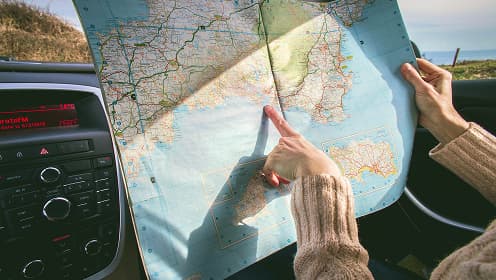
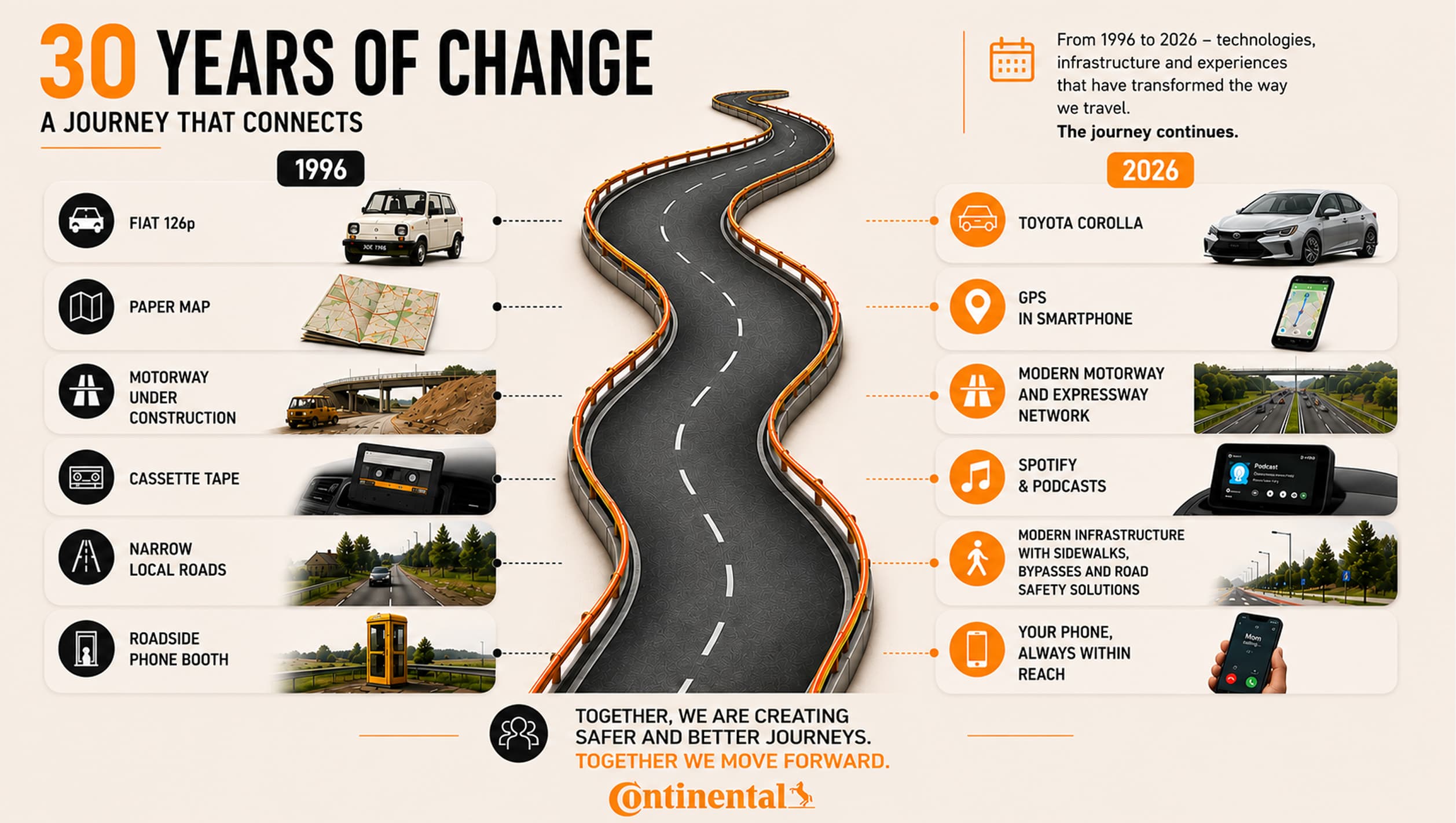
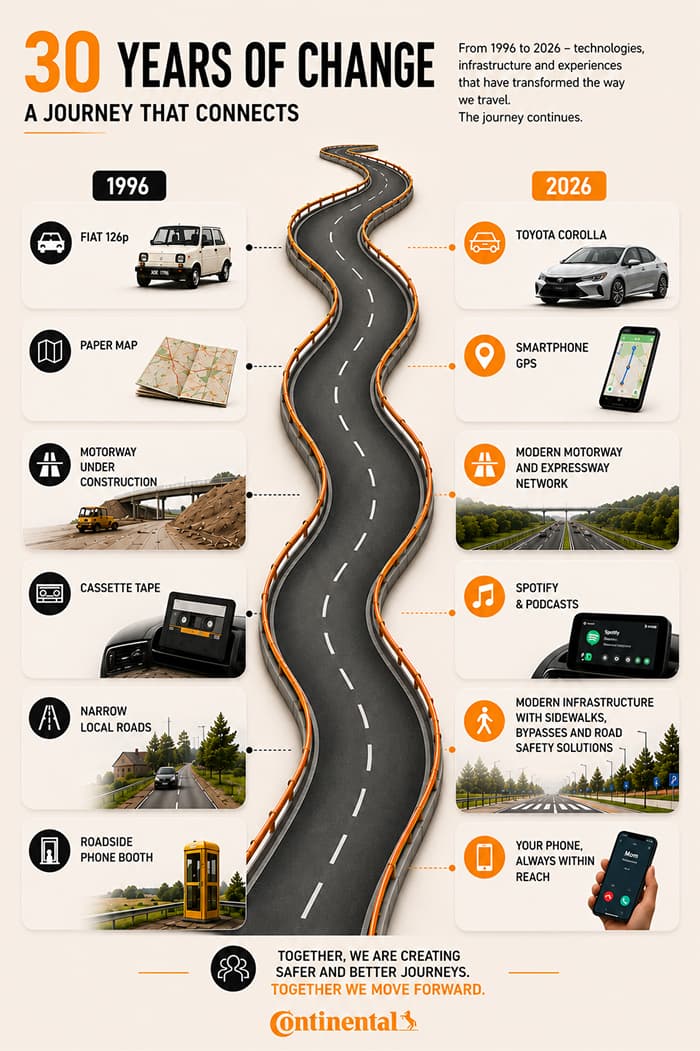
Take a look at 30 years of change – from cars and route planning to the music we listen to behind the wheel. In the 1990s, drivers relied on paper maps, asked passers-by for directions and listened to traffic updates via CB radio. Today, most of the information needed for a journey fits into a smartphone.

The road of 30 years of transformation on Polish roads
Just 30 years ago, journeys were planned at the kitchen table and a road atlas could be found in almost every car glove compartment. A trip to the seaside meant a long drive with stops for food supplies, while getting lost was almost an inevitable part of travelling. Today, we plan our route on a smartphone and navigation apps help us avoid traffic jams. Over the past three decades, not only has infrastructure changed, but Poland itself has undergone a remarkable transformation in the way we live, work, travel and maintain relationships with our loved ones.
The change counter Poland’s transformation in numbers
The last three decades have seen one of the largest mobility transformations in the country’s history. There are now more than twice as many cars on Polish roads as there were in the late 1990s, while the network of high-speed roads has expanded more than tenfold. Explore the key figures and facts behind Poland’s transport transformation.
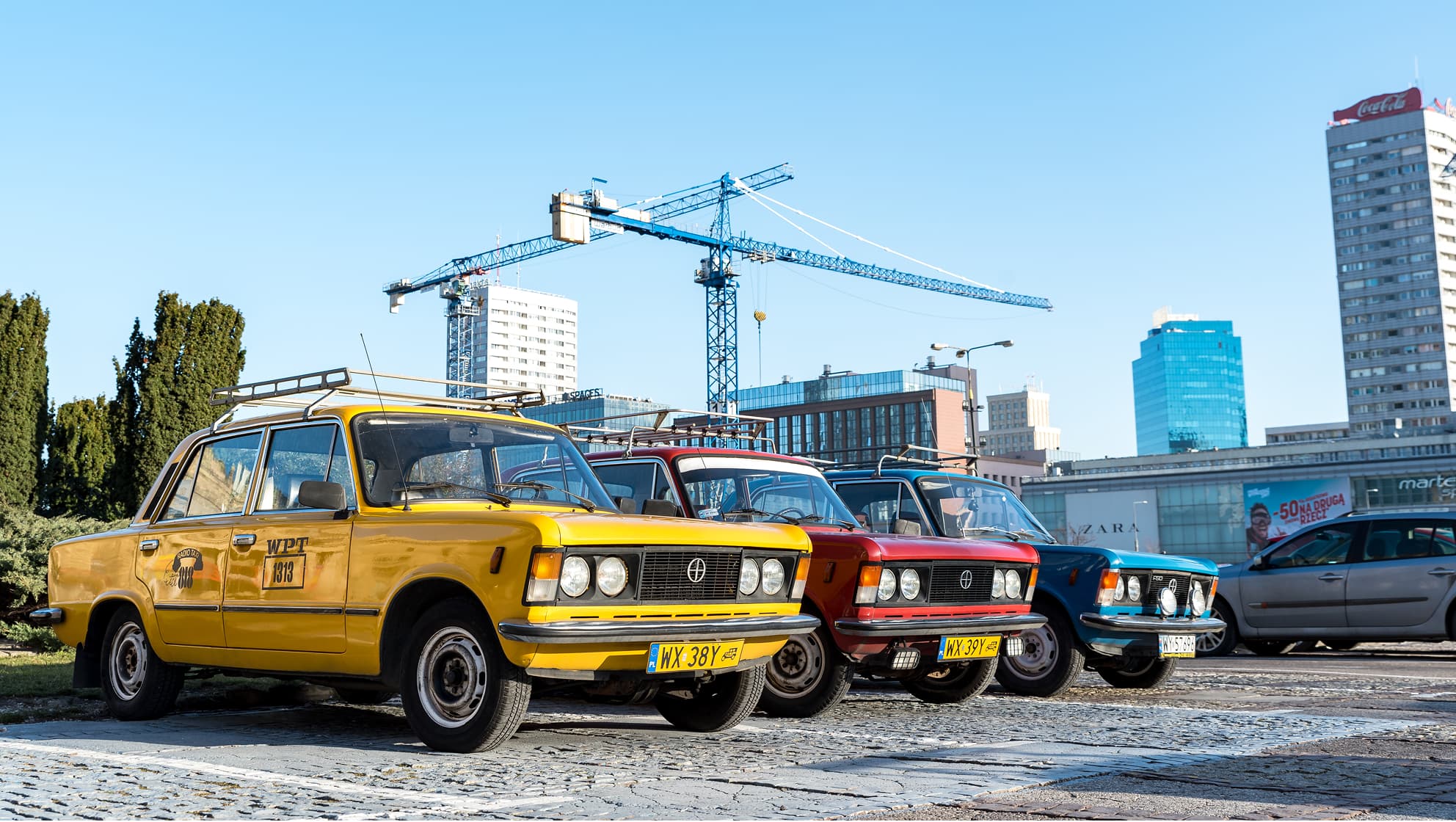
How did we travel and where did we go? 1996
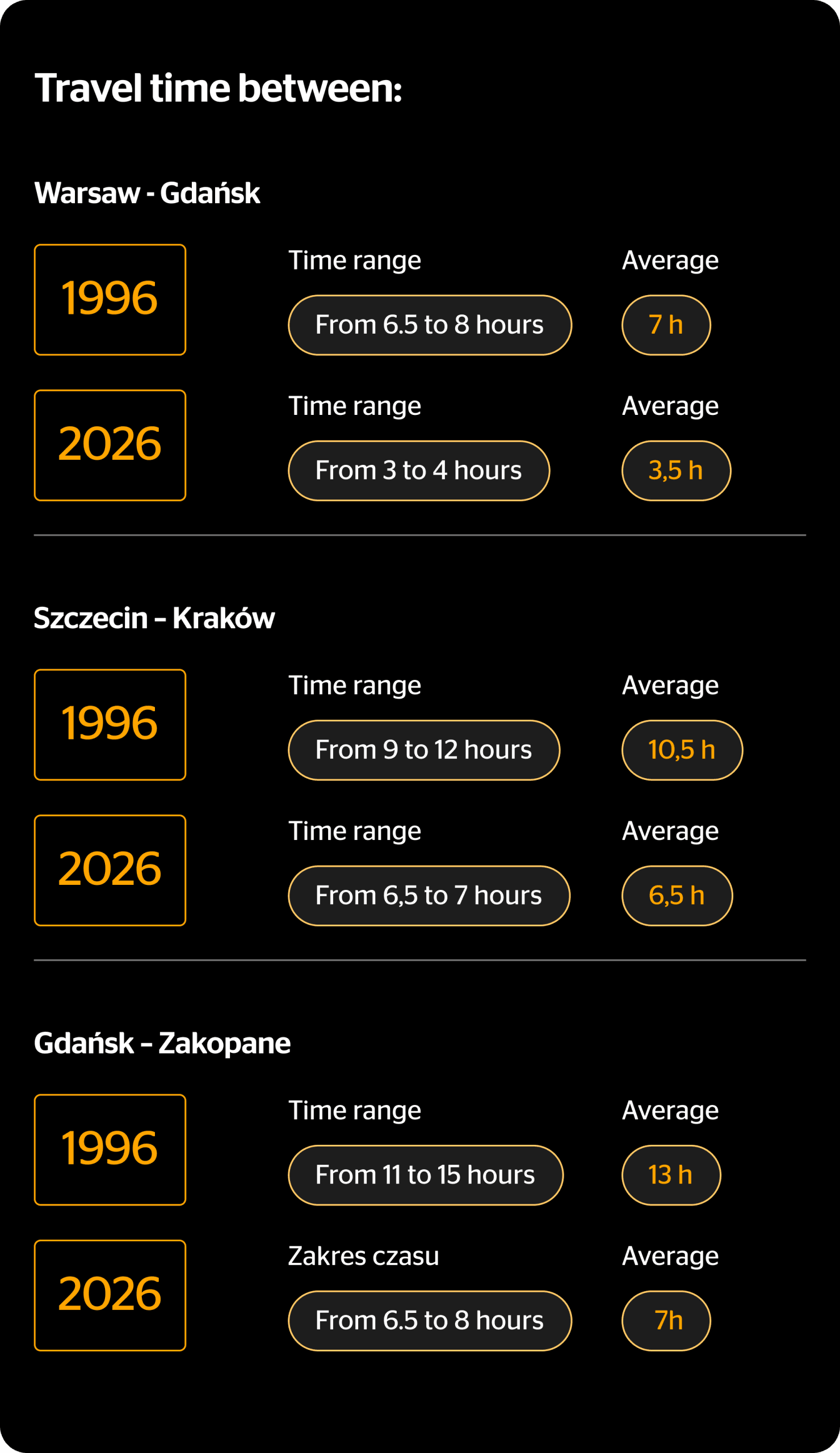
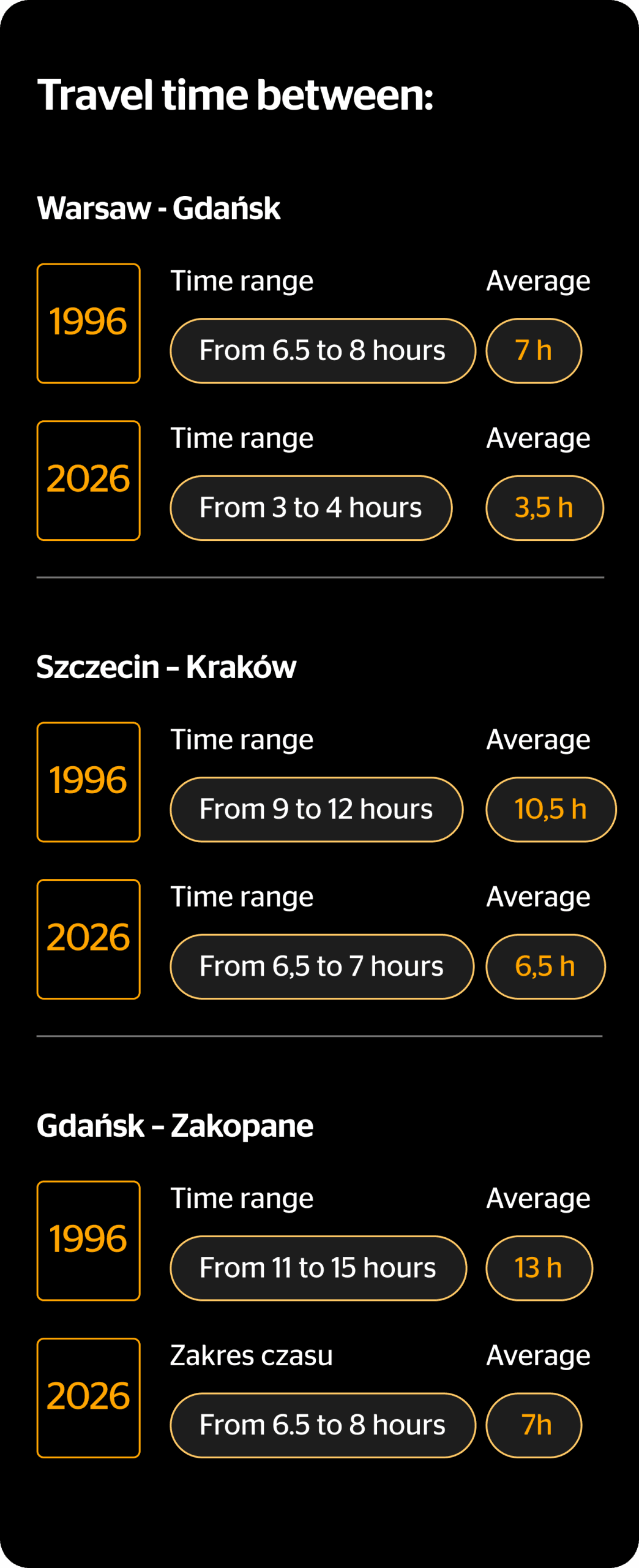
Travelling in the mid-1990s was far less accessible than it is today. Domestic trips and holidays organised by travel agencies were the norm. The most popular international destinations included Germany, the Czech Republic, Slovakia, Hungary, Italy and Croatia, although Poles also eagerly travelled within the country. Journeys were usually made by car with a road atlas or paper map in hand, as well as by coach or train. International flights were relatively expensive and available only to a small part of society, largely due to passport controls, as Poland was not yet part of the Schengen Area.

The change counter Poland’s transformation in numbers
Passenger car sales :
- 1996 – 374 600 units – Top model: Fiat 126p (media estimates based on sales and registration data)
- 2026 – 597 428 units – Top model: Toyota Corolla (vehicle registration data – June 2026, based on CEP data)
Number of registered passenger cars:
- 1996 – 8 054 44811
- 2026 – 24 356 010
Length of motorway network:
- 1996 – około 300 km3, 2
- 2026 – około 1950 km4
Safety on the road:
- 1996 – 57 911 road accidents occurred, resulting in 71 419 injuries3
- 2026 – 21 925 road accidents occurred, resulting in 24 590 injuries4
Additional growth figures:
- The number of passenger cars increased from more than 9.2 million in 1996 to nearly 23 million in 2024. Over this period, almost 14 million vehicles were added to Polish roads.
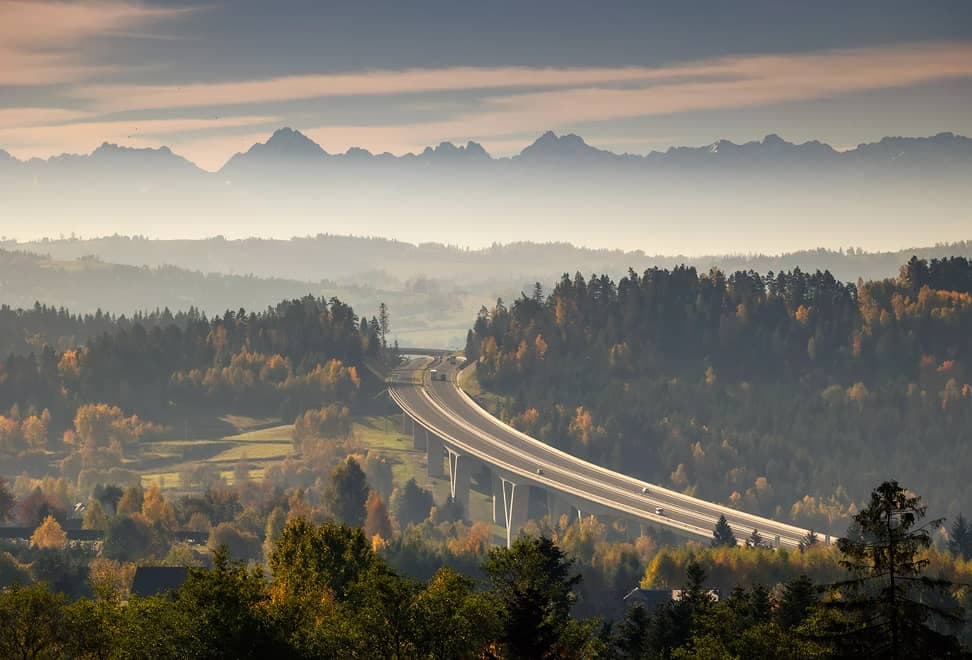
- Over nearly 30 years, the number of public roads in Poland increased more than tenfold – from 145,064 in 1995 to 1,541,856 in 2025. This dynamic development reflects intensive infrastructure investment, improved transport accessibility and the country’s growing mobility needs.
- Statistical data confirms a significant improvement in road safety. Compared with 1999, the number of people injured in road accidents fell by more than 60% – from 68,499 to 24,782 in 2024 – demonstrating the effectiveness of measures introduced to improve road safety.
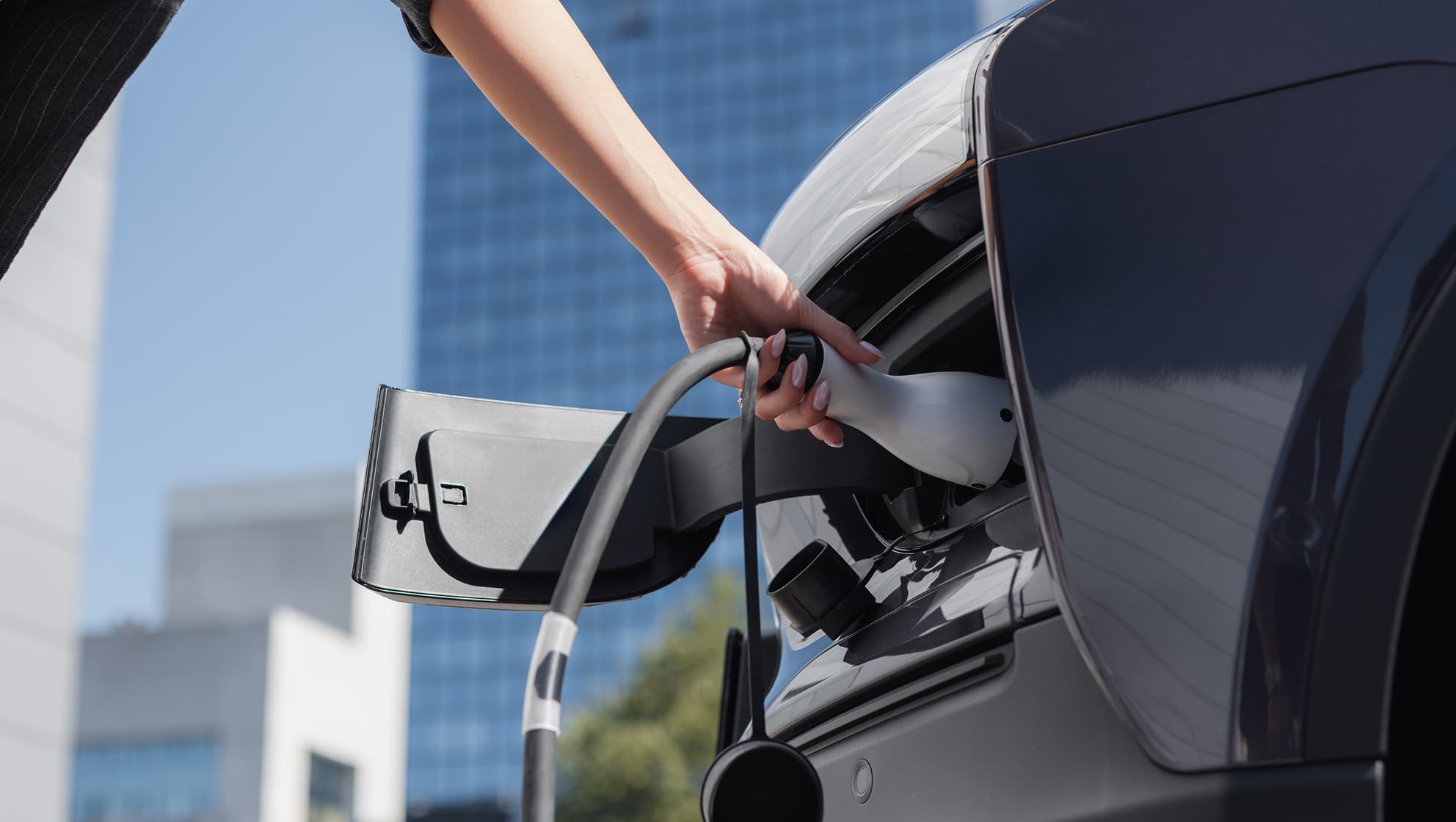
How do we travel now? 2026
Today, travelling has become an integral part of our lifestyle. According to Statistics Poland (GUS), Poles take more than 54.8 million domestic tourist trips each year, while the number of international journeys continues to grow. The development of low-cost airlines and the broad range of travel agency offers have made Spain, Italy, Greece, Turkey, Croatia and Egypt the most popular destinations.
More and more people organise their trips independently, using online platforms to book accommodation and transport. Travel is no longer limited to the holiday season but takes place throughout the year. Today, travelling in Poland has become more convenient than ever – GPS navigation provides real-time information about diversions, while within seconds we can check exactly how long it will take to reach a destination hundreds of kilometres away.
30 years – Defining Moments. The changes we remember
The transformation of Poland’s roads can be illustrated through a series of landmark events. Some changed infrastructure, others transformed technology, while still others reshaped our everyday habits. See if you recognise the milestones that have changed the way we travel over the past 30 years.

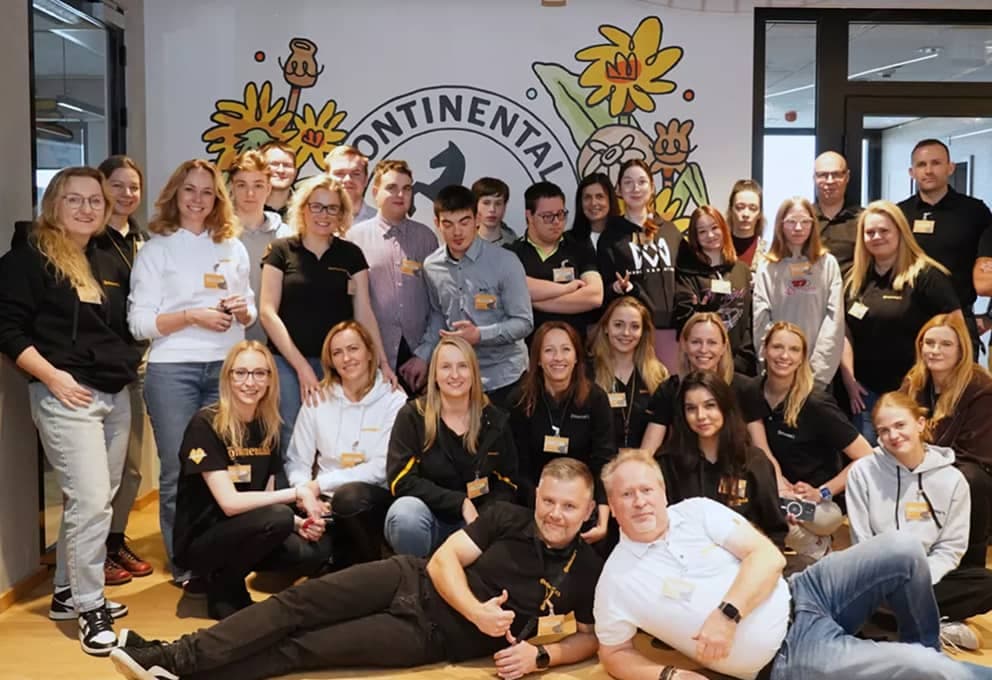
Continental begins operations in Poland.
The "Flood of the Millennium" highlights the importance of modern road infrastructure for the functioning of the country.
The number of passenger cars in Poland exceeds 9 million.
The era of paper maps gradually comes to an end. Two years earlier, Google was founded, and in the years that followed it would revolutionise the way people plan their journeys.
Poland joins the European Union. Border controls disappear and travelling across Europe becomes easier than ever before.
The largest road infrastructure development programme in Poland's history begins.
The first smartphones enter the market, ushering in a new era of mobility.
Fuel prices exceed PLN 5 per litre for the first time. The cost of travelling becomes a major topic in the media.
UEFA EURO 2012 accelerates the development of motorways, expressways and bypasses, marking a significant milestone in Poland's transport transformation.
Google Maps and Waze enable drivers to avoid traffic jams in real time.
The COVID-19 pandemic changes Poles' travel habits and increases the popularity of domestic tourism.
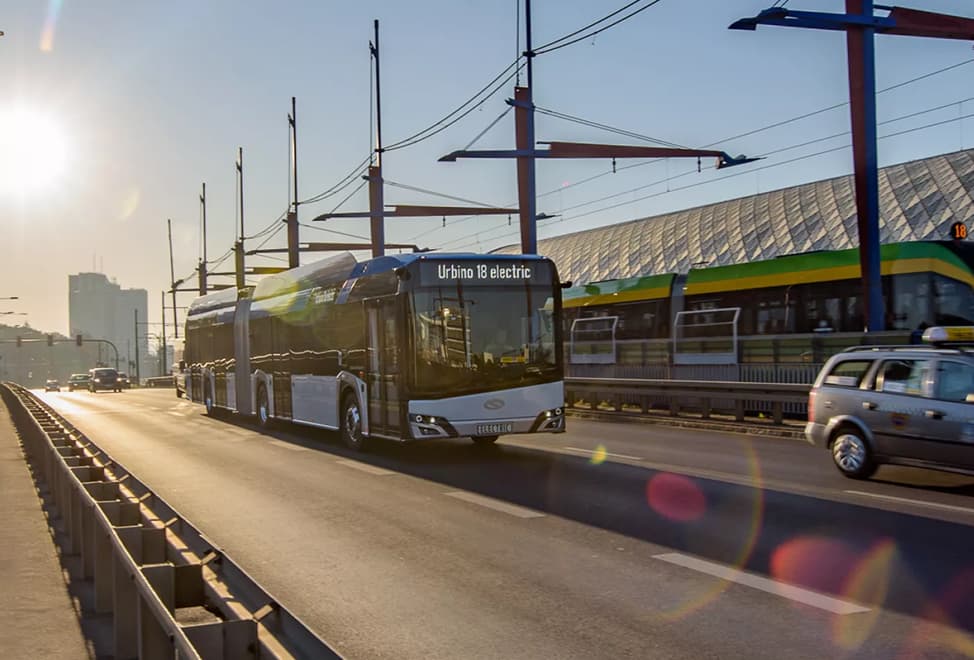
Electromobility is no longer seen as the future - it becomes part of drivers' everyday reality.
The e-TOLL system changes the way drivers use Poland's toll roads.
There are now more than 23 million passenger cars on Polish roads.

We don't just drive from point A to point B How have our journeys changed?
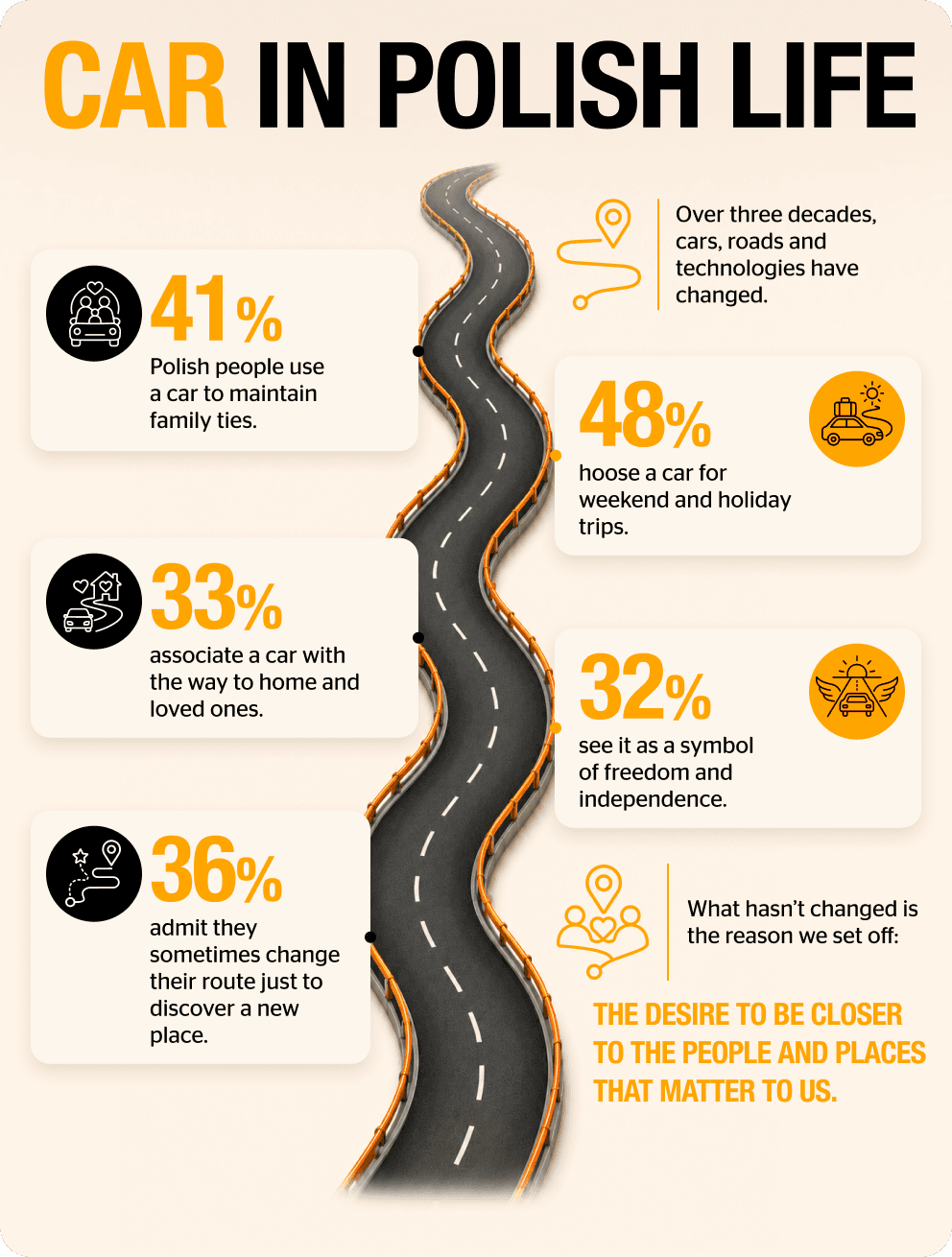
Although a car remains, above all, a practical part of everyday life, for many Poles it represents much more than simply a means of transport.
Research conducted by SW Research for Continental’s „Together, We Move Forward” campaign shows that cars help people maintain family relationships, organise everyday life and spend quality time together.
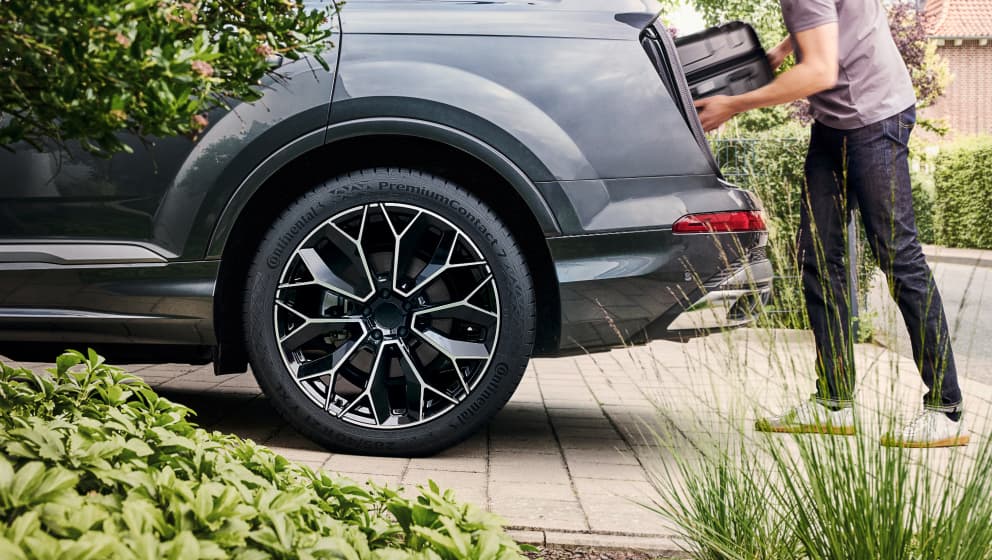
30 years of change on four wheels. How have tyres changed?
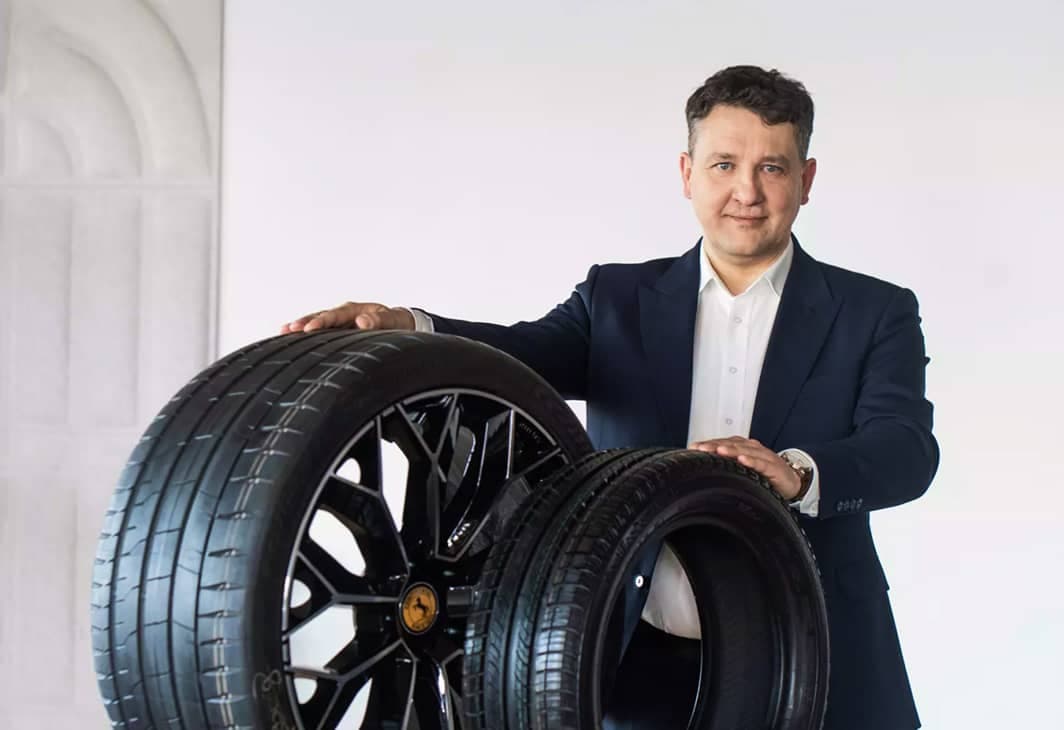
Car tyres have also evolved significantly over the past 30 years. In the mid-1990s, the most common tyre sizes were 12, 13 and 14 inches, typically fitted to popular city cars and compact models. By 2026, 16–18-inch tyres have become the standard, while SUVs and premium vehicles are often equipped with 19–21-inch wheels.
In 1996, 17-inch tyres were a rarity and were found mainly on sports cars. Today, they are widely available, with manufacturers offering even larger sizes for new vehicle segments.
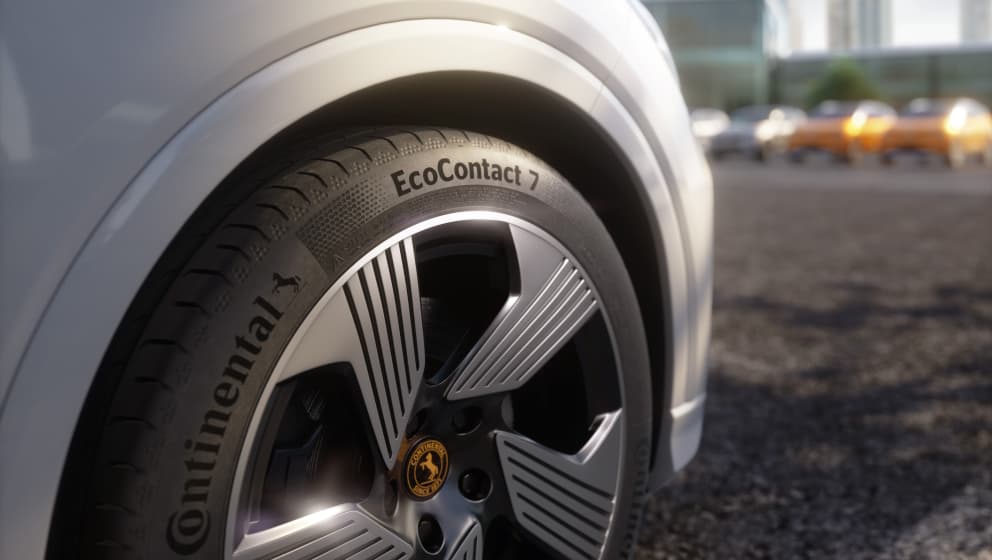
Tires are also the silent hero of change
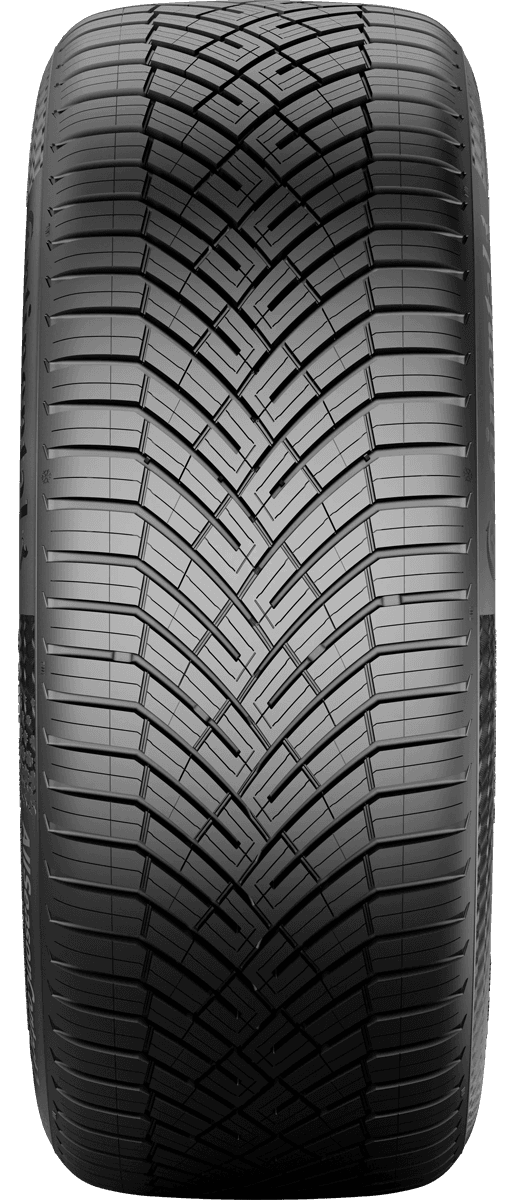
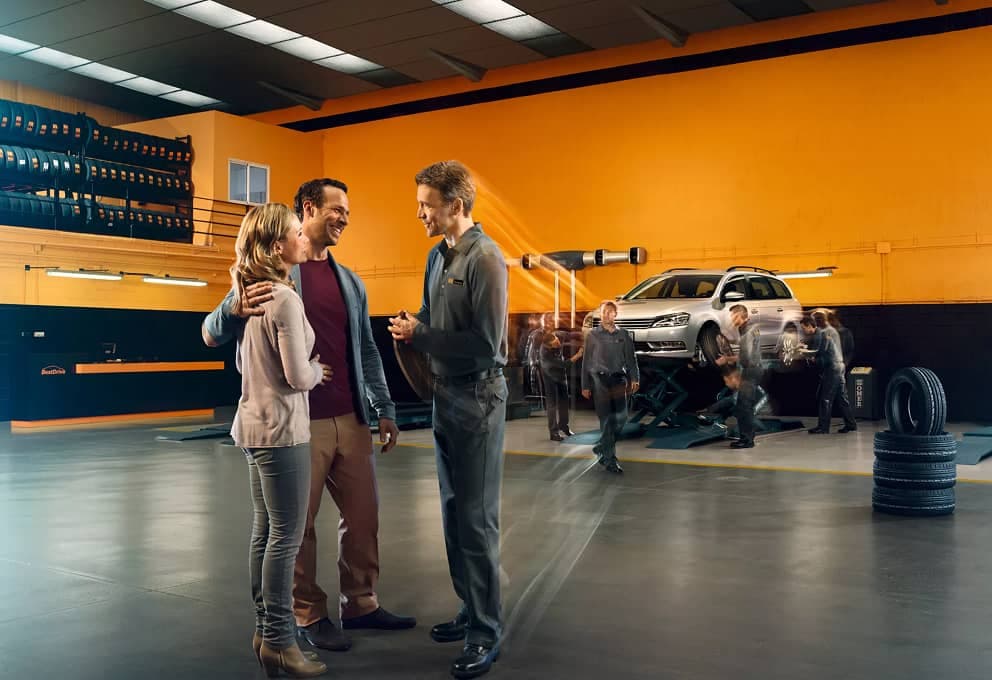
Tyre technology has also advanced considerably. Modern tyres provide better grip, shorter braking distances and lower rolling resistance, while their design reflects increasingly demanding safety and efficiency requirements. Back in 1996, tread design was far less advanced than it is today, and repairing a puncture often meant patching the tyre yourself rather than replacing it or taking it to a professional tyre service centre.
The road that changed polish automotive history
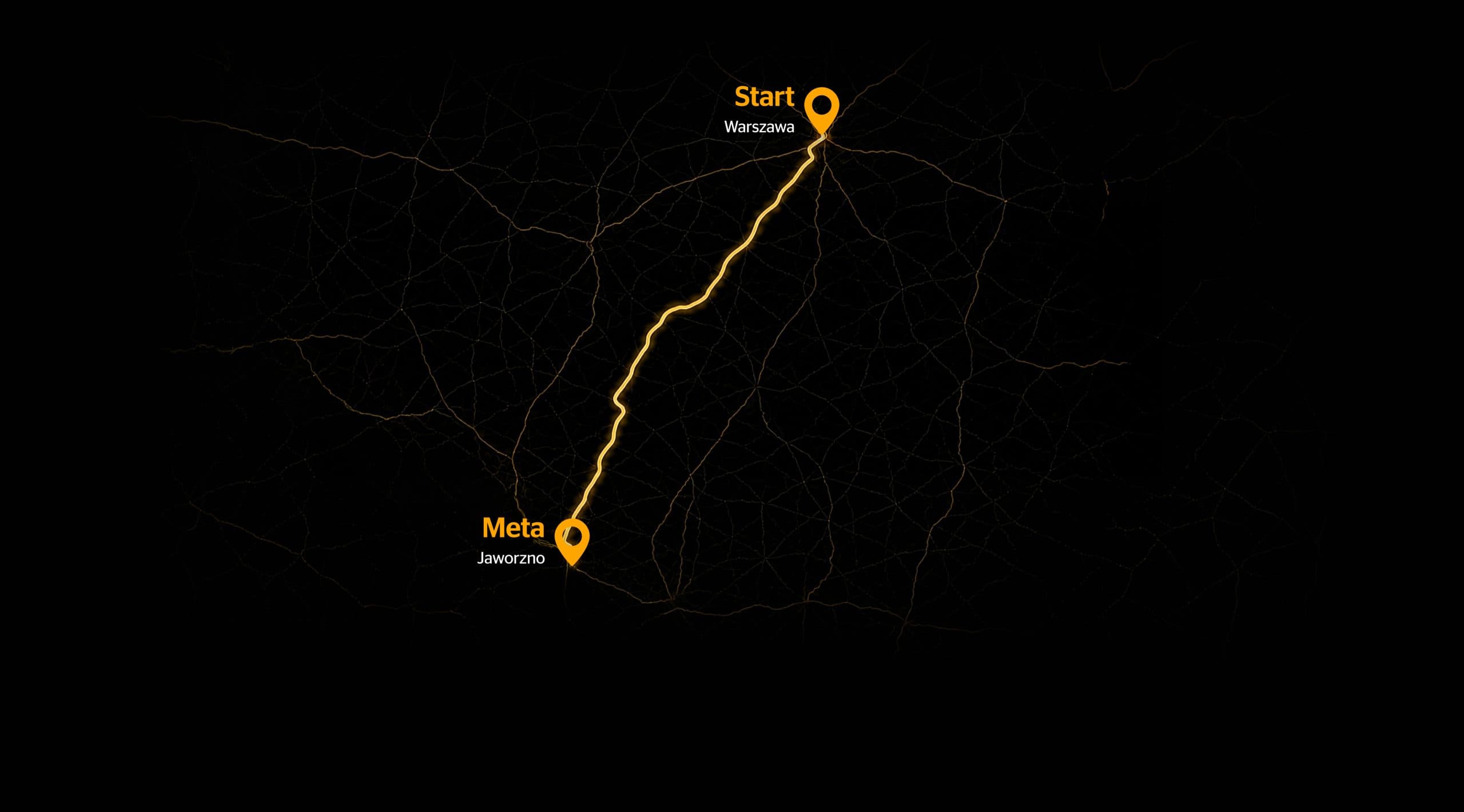
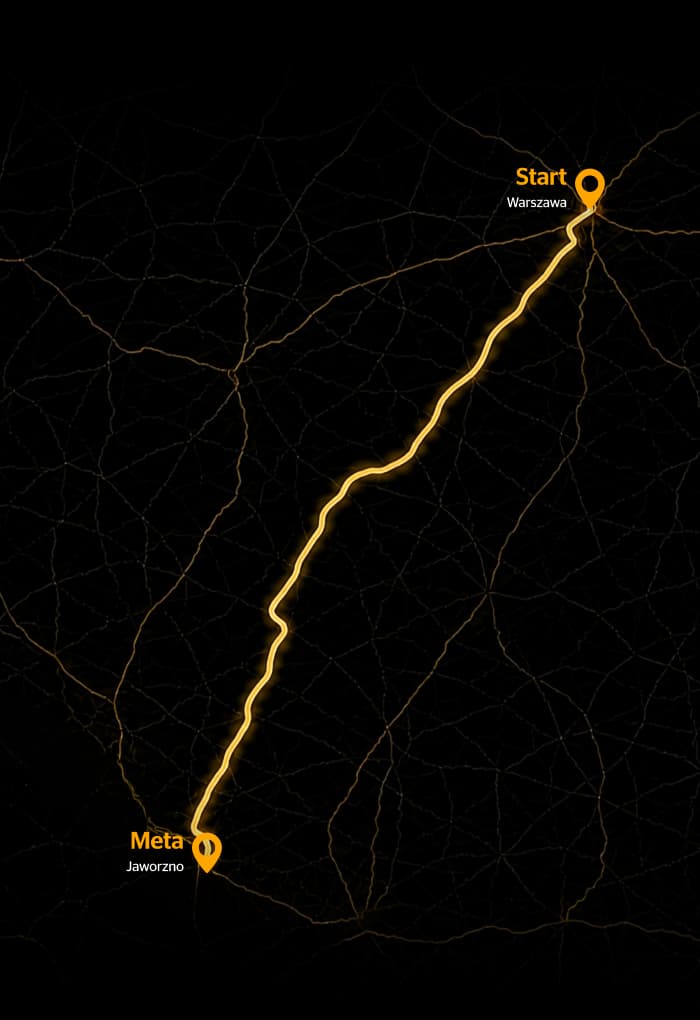
There is one more route on Poland’s automotive map that perfectly captures the country’s transformation over the past three decades. It leads from the former FSO Passenger Car Factory in Warsaw’s Żerań district – a place that for decades symbolised the Polish automotive industry – to Jaworzno, where the modern Polon manufacturing plant is set to produce a new generation of Polish electric vehicles. It is a symbolic journey from the heritage of Polish automotive manufacturing to its future, demonstrating that the transformation of the past 30 years has not only reshaped the country’s roads and infrastructure but has also opened a new chapter for the Polish automotive industry itself.

Road details
- 1 https://ec.europa.eu/eurostat/databrowser/view/ROAD_IF_MOTORWA__custom_5505388/default/table?lang=en
- 2 https://demagog.org.pl/wypowiedzi/rekordowe-budowanie-autostrad-za-premiera-tuska-sprawdzamy/
- 3 https://www.policja.pl/pol/kgp/brd/statystyki/wypadki-drogowe/160,dok.html
- 4 KOMENDA GŁÓWNA POLICJI BIURO RUCHU DROGOWEGO raport za 2025 dotyczący wypadków na drogach
- 5 https://bdl.stat.gov.pl/bdl/dane/podgrup/tablica
Finish
But the journey doesn’t end here — explore other roads








The path to building strong position on the Polish market
Explore route details