The road to greatness

Start
Starting with the little ones (Malutkie)
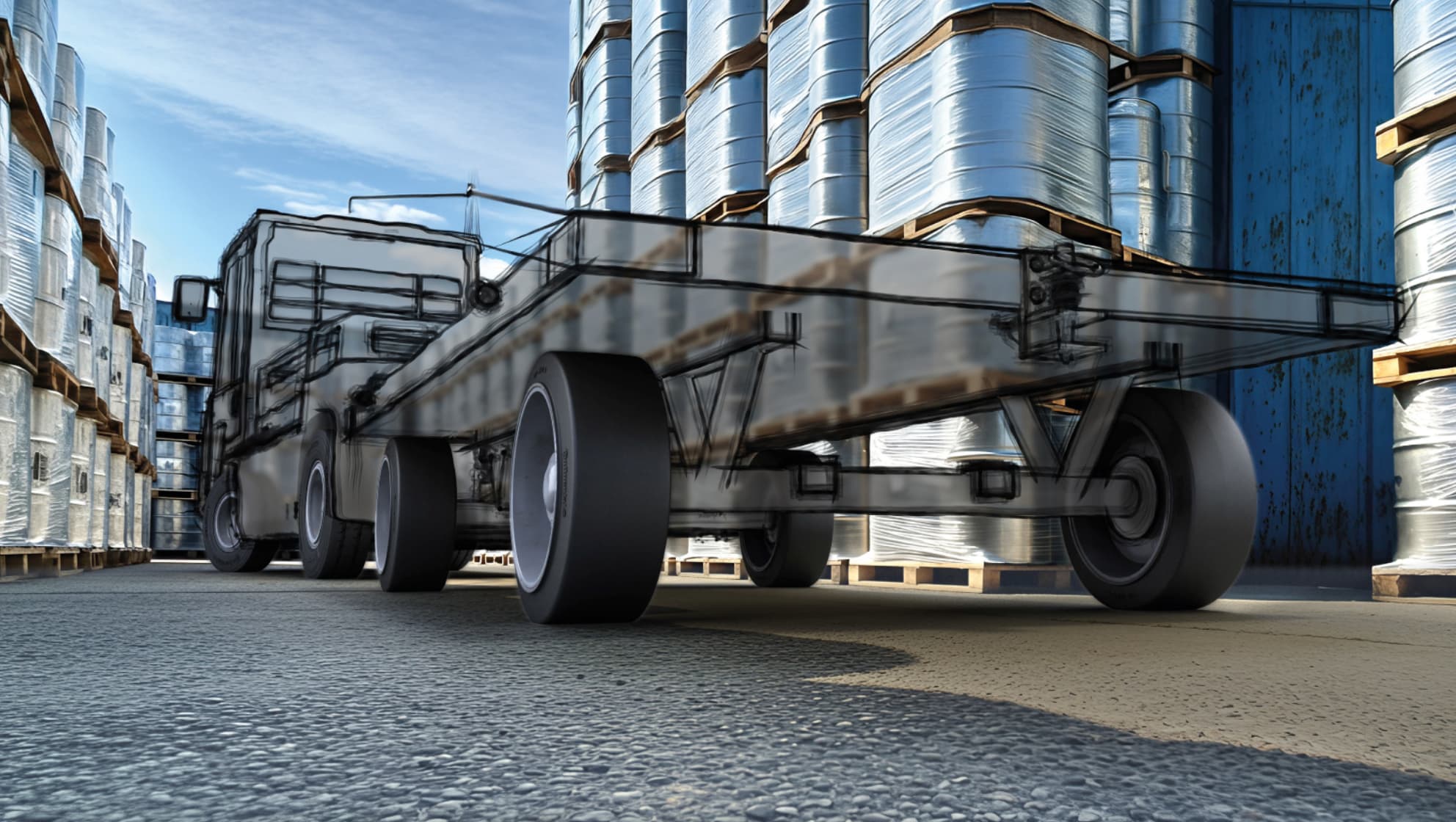
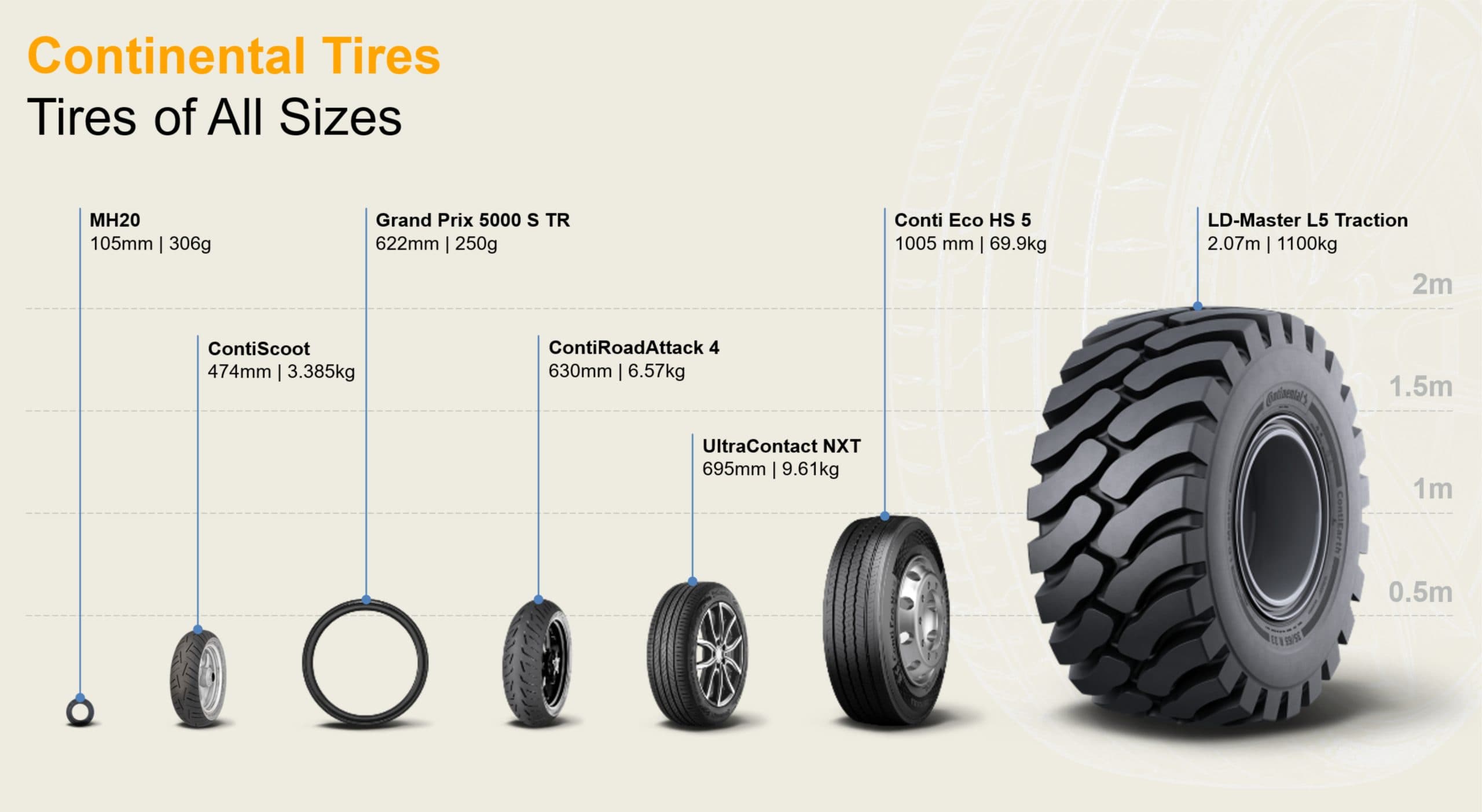
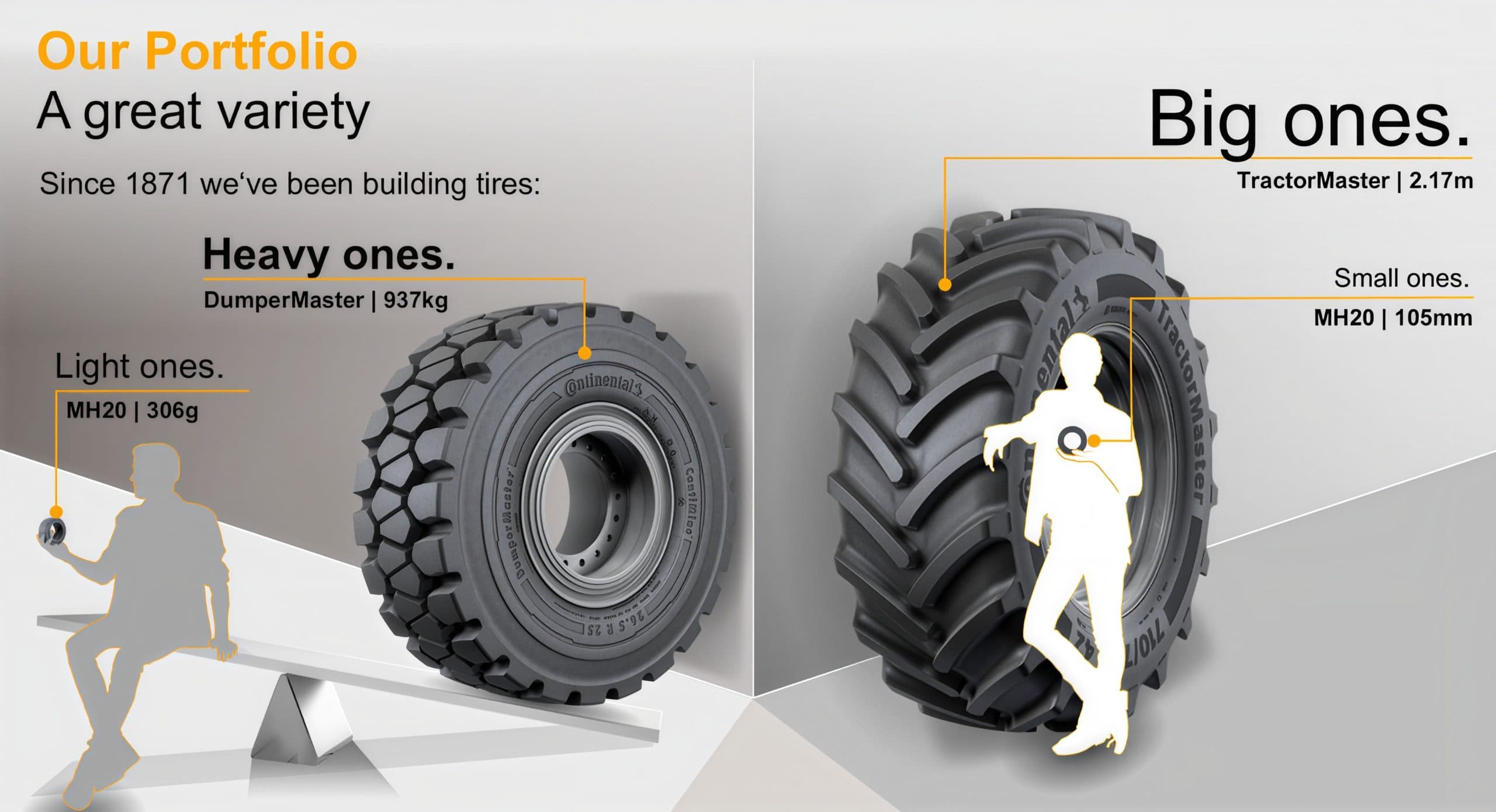
Our small-scale protagonist is the MH20, in the 125/50-75 size: measuring 12.4 centimeters in diameter and weighing half a kilogram, it fits right in the palm of your hand. A single tire of this type can carry up to 140 kilograms at speeds of up to 16 km/h, covering distances of as much as 2 kilometers. That is more than two hundred times its own weight. It performs wherever precision is key: with pallets in warehouses, on transport platforms, and on factory tugs. This tiny tire carries a great responsibility.
No air inside
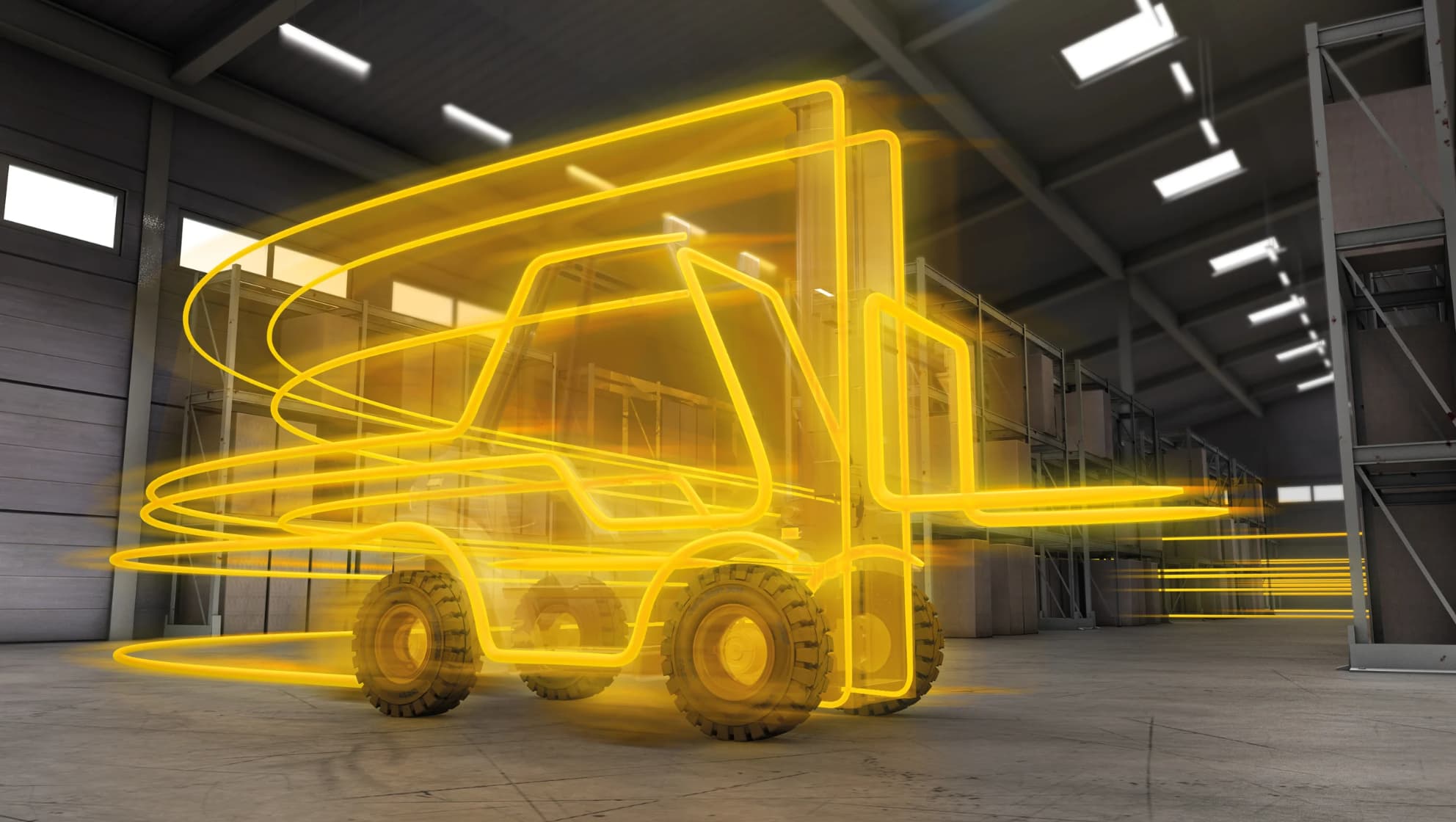
Another surprise: not every tire is filled with air. In warehouses and production facilities we use different „super-elastic” tires. Instead of air, they feature a solid, resilient structure mounted on a specialized industrial rim. Continental offers these under the name „Continental Super Elastic” (CSE) and guarantees they are puncture-proof. However, a great deal of engineering lies within the rubber itself: a shock-absorbing compound that dampens vibrations and ensures low rolling resistance, while steel wires embedded in the base provide an optimal fit to the rim.

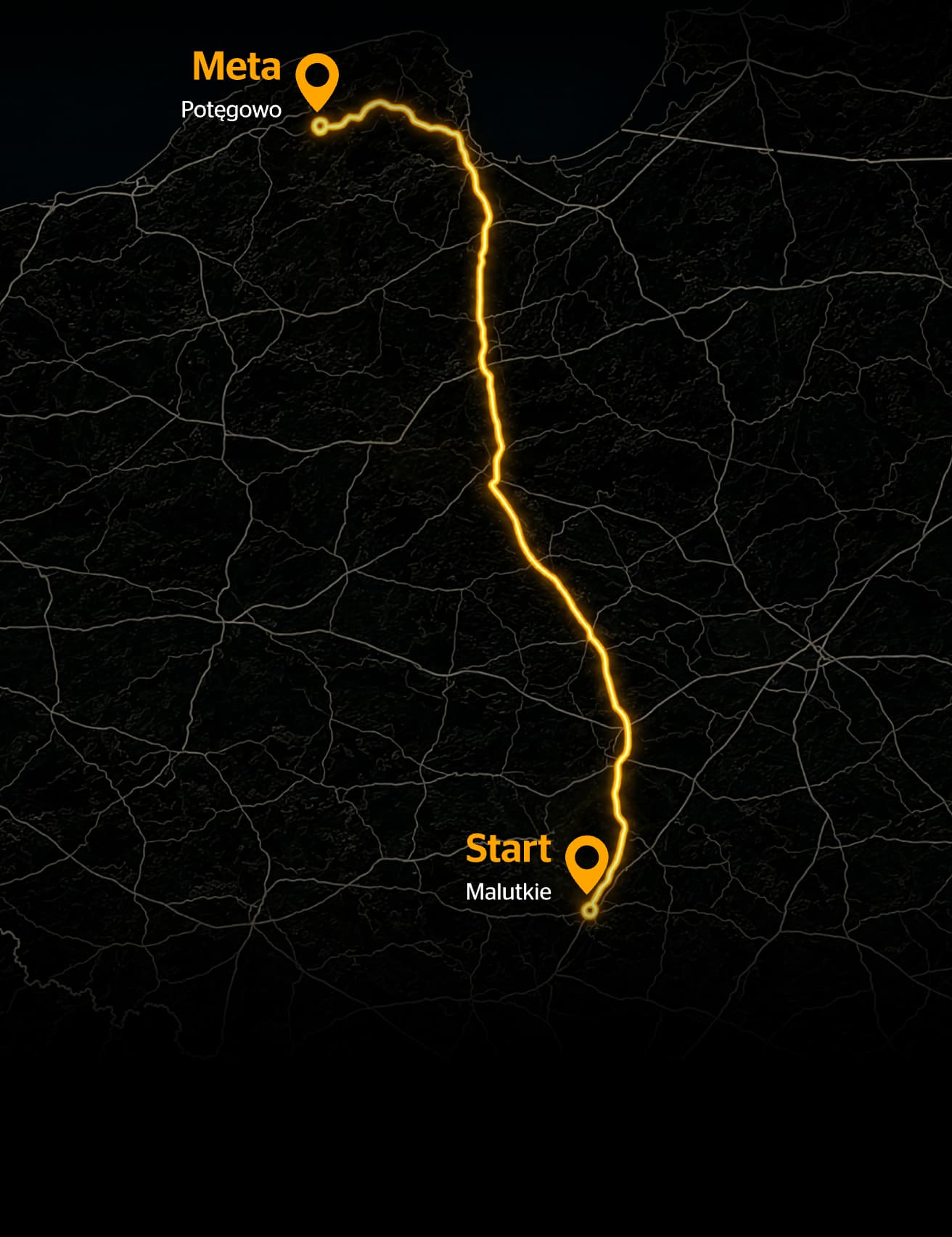
The road from Malutkie to Potęgowo
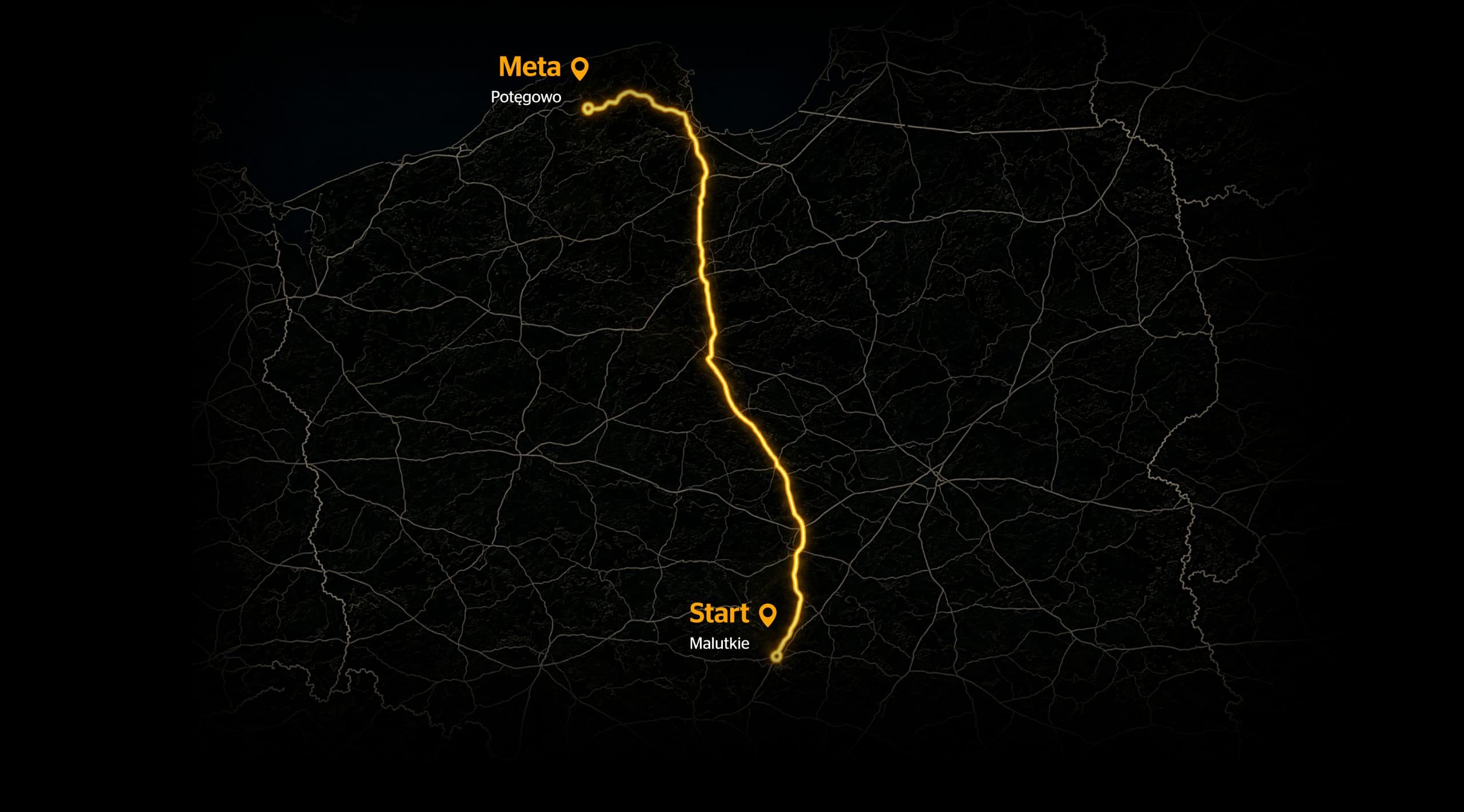
We know car tires well, at least by sight. Their industrial cousins, however, can surprise us with their construction, size, and capabilities. Not every tire needs air. Not every tire is black. Some weigh over a ton. To get to know them, we set off on a journey from Malutkie to Potęgowo. Don’t ask how many kilometers that is; we’re counting this journey in tons.
White tire? Yes!
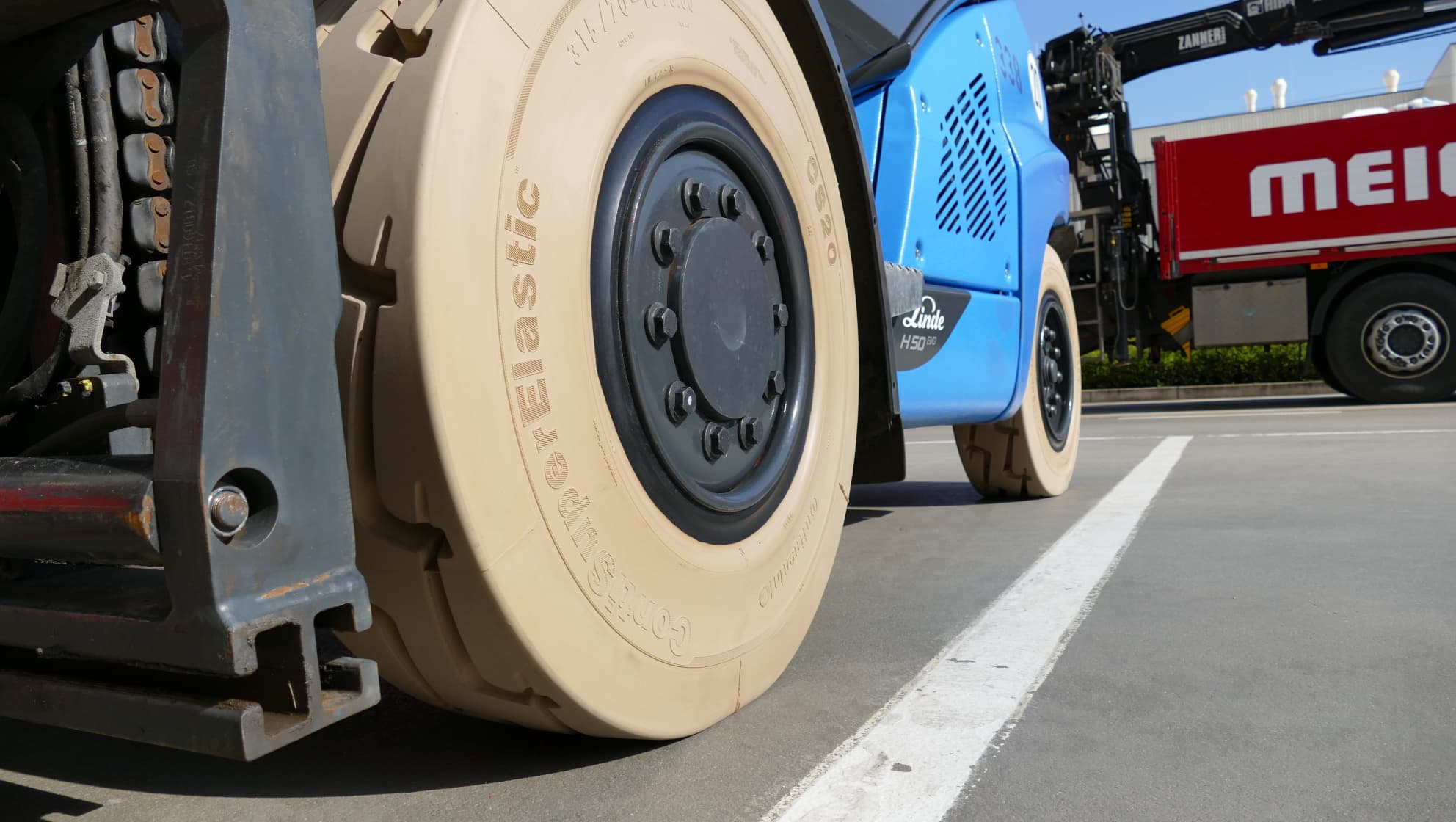
Since we’re breaking conventions – not all tires are black. In food, pharmaceutical, or paper manufacturing plants, forklift tires can be light-colored: cream, gray, or various shades of white. The reason is simple: traditional black tires can leave marks, and in facilities where food or medicine is produced, the floor must be spotless. That is why Continental manufactures „clean” versions of its tires: light-colored, wear-resistant, and designed not to leave black marks. Alongside these, there are also antistatic tires, marked with a lightning bolt symbol; they dissipate electrical charges before they have a chance to accumulate.

 LD-Master Traction
The Finish Line: A Giant Taller Than a Human
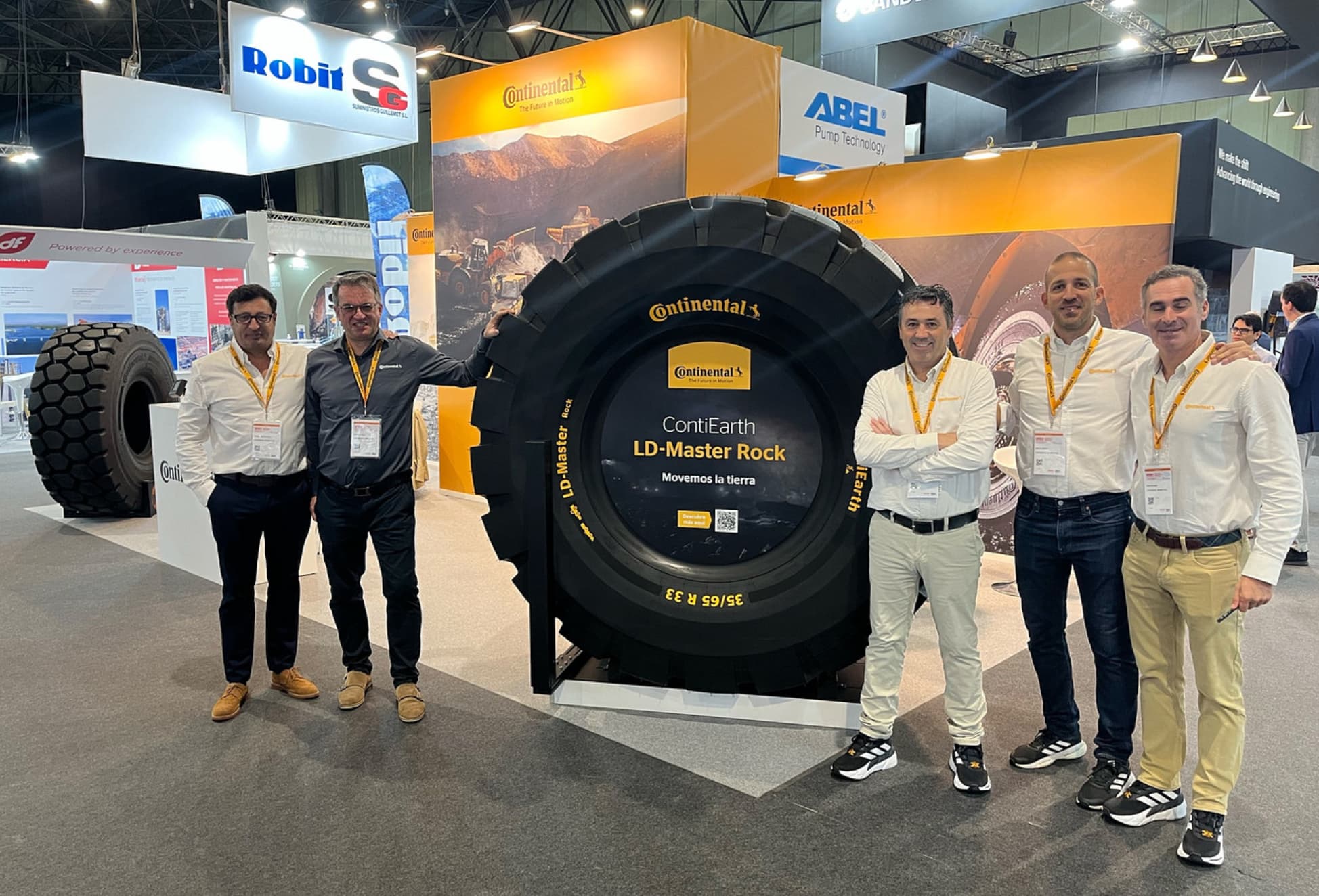
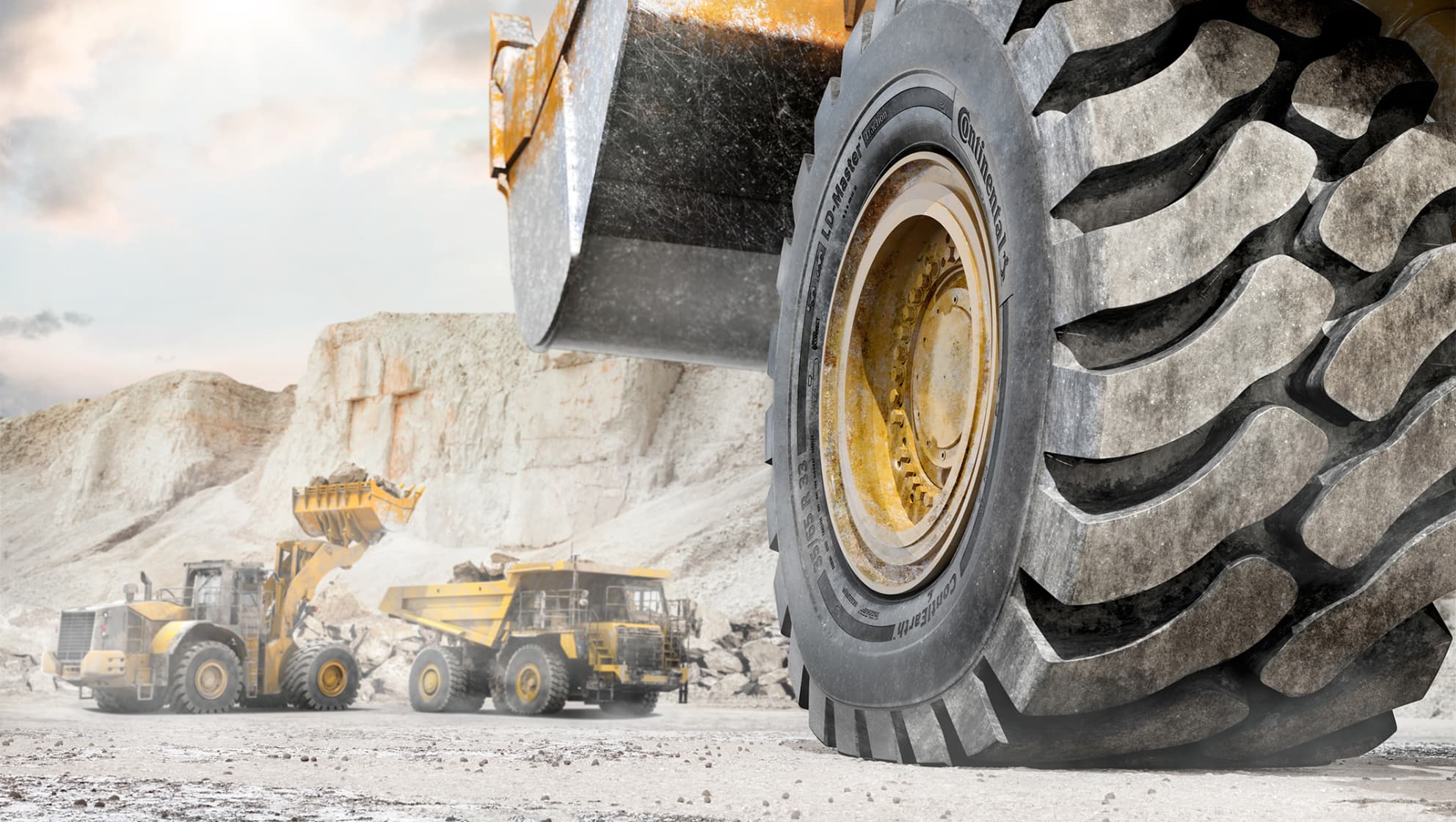
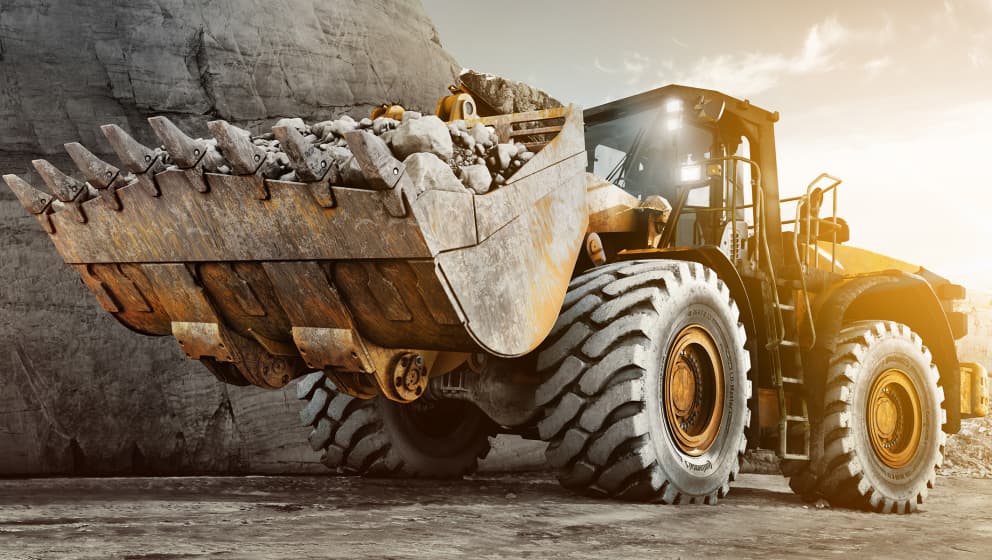
As we approach the end of our tour, the LD-Master Traction 35/65 R 33 comes into view. With a diameter of 2.07 meters, it stands taller than most adults. It weighs 1,123 kilograms—roughly the same as a small passenger car – and features a tread depth of 97 mm. This tire can support a load of up to 32,500 kilograms when operating on a loader in a cyclic application, at a pressure of 8 bar and a speed of 10 km/h. To put that into perspective: 32.5 tonnes is equivalent to the combined weight of about 65,000 MH20 tires – the kind we saw in Malutkie. This giant even has its own „doctor”: a factory-installed sensor that continuously monitors the tire’s pressure and temperature.
How does greatness come to life?
The principle remains the same for any pneumatic tire: rubber, structural reinforcements, beads to secure the tire to the rim, and vulcanization – a process of „baking” the tire in a mold under high pressure and temperature until the raw compound transforms into resilient rubber. The difference lies in the scale: the thicker the sidewalls and tread, the greater the challenge for the entire manufacturing process.
Variations also exist in the rubber compounds used. Passenger vehicle tires are designed with a focus on driving comfort, good wet-surface grip, and low rolling resistance. In contrast, industrial and mining tires must be resistant to cuts and overheating, and capable of operating under heavy loads for many hours. Consequently, both the rubber compound and the structural design are tailored to the specific task at hand.
Greatness is a task
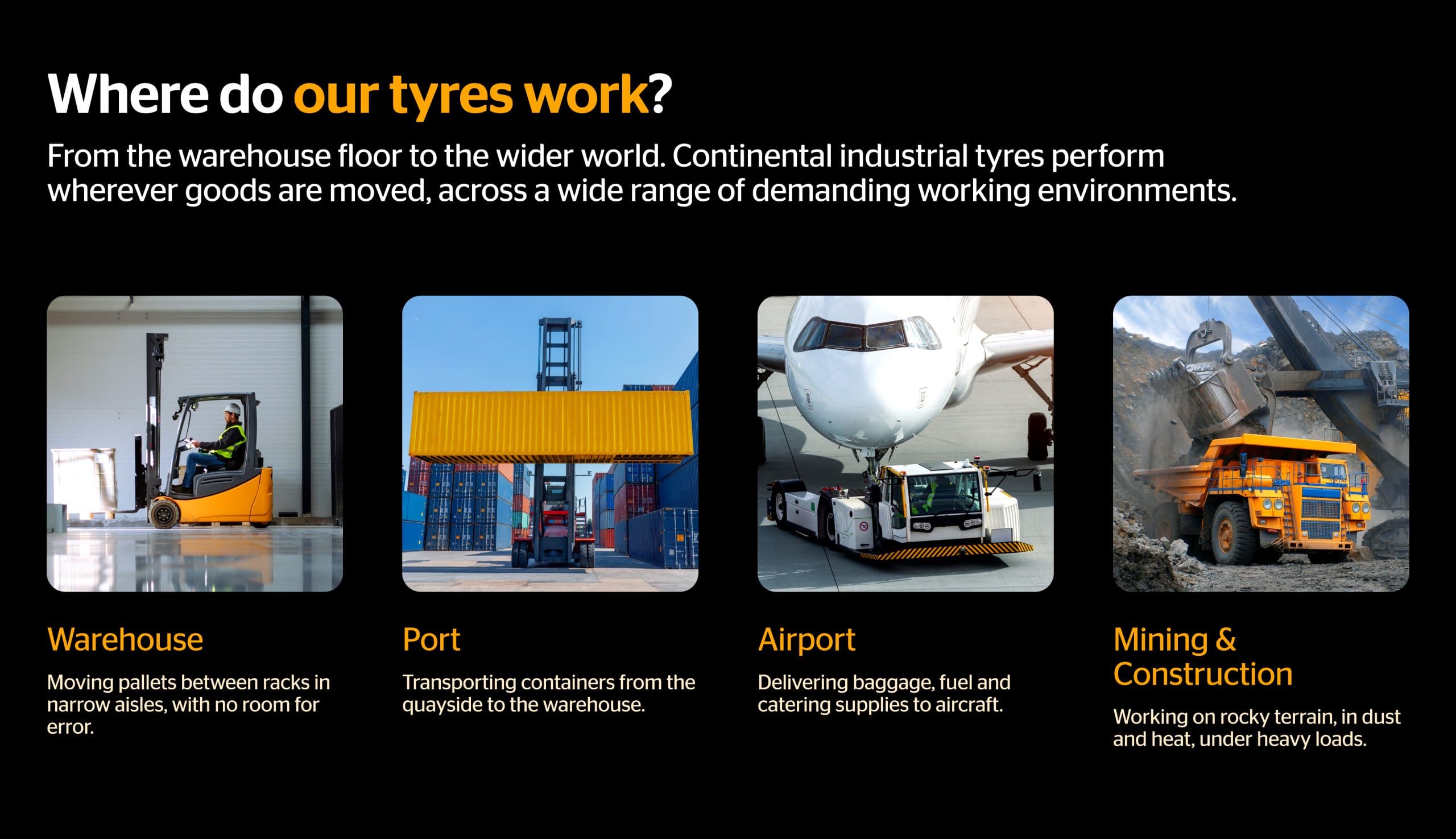
You can drive from Malutkie to Potęgowo by car. We chose a route that took us past warehouses, fields, ports, and mines, to see just how capable the tires – the kind rarely seen on ordinary roads – truly are. Some help deliver goods to store shelves, while others make it possible to move tons of raw materials or aggregates. We seldom notice them, even though we benefit from the results of their work every single day. Perhaps that is precisely where their greatness lies: you don’t need to see them to feel the difference.

Trip details
Finish
But the journey doesn’t end here — explore other roads
















The path to building strong position on the Polish market
Explore route details