

The Road to Mushroom Picking

Start
Destination: Tuchola Forest
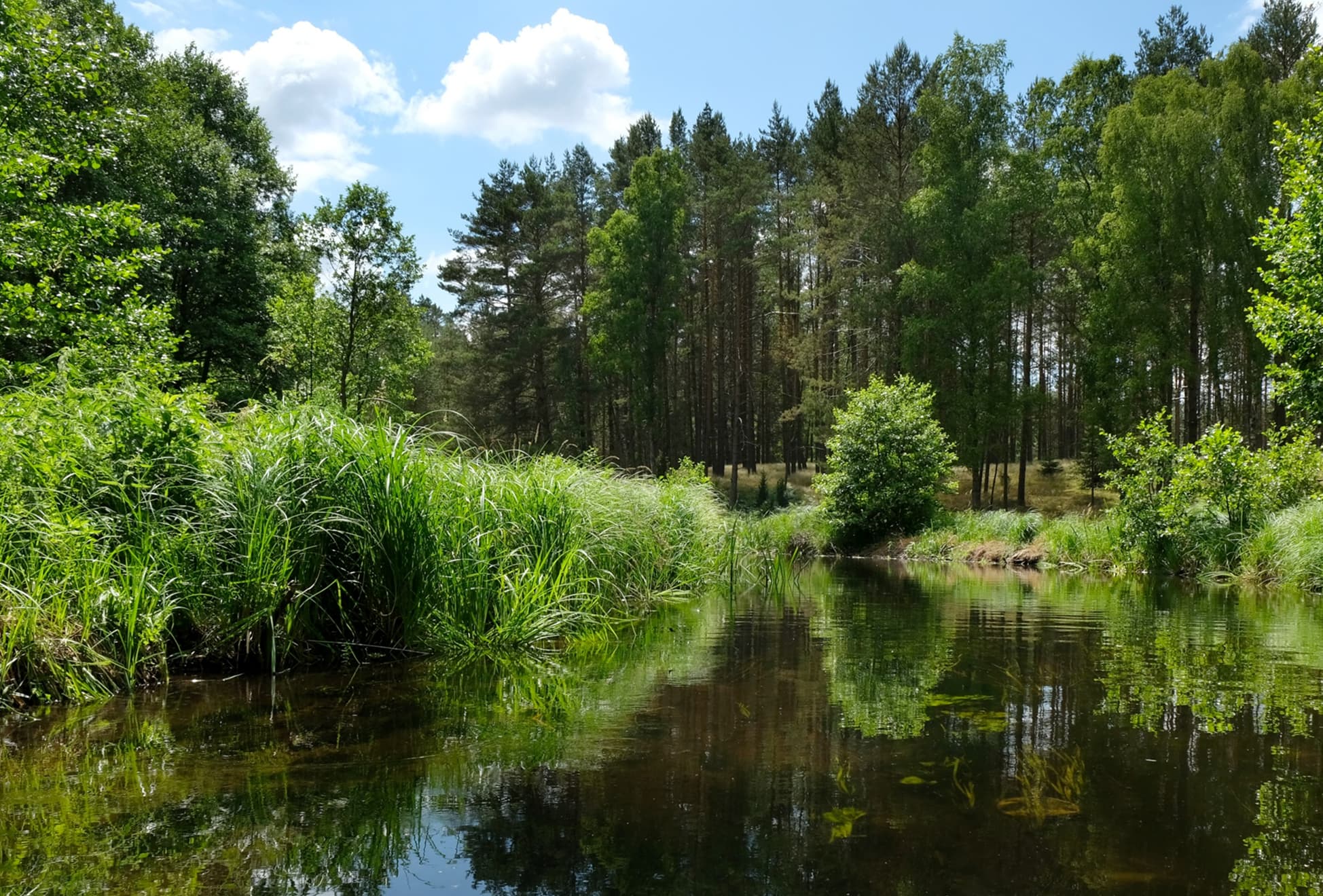
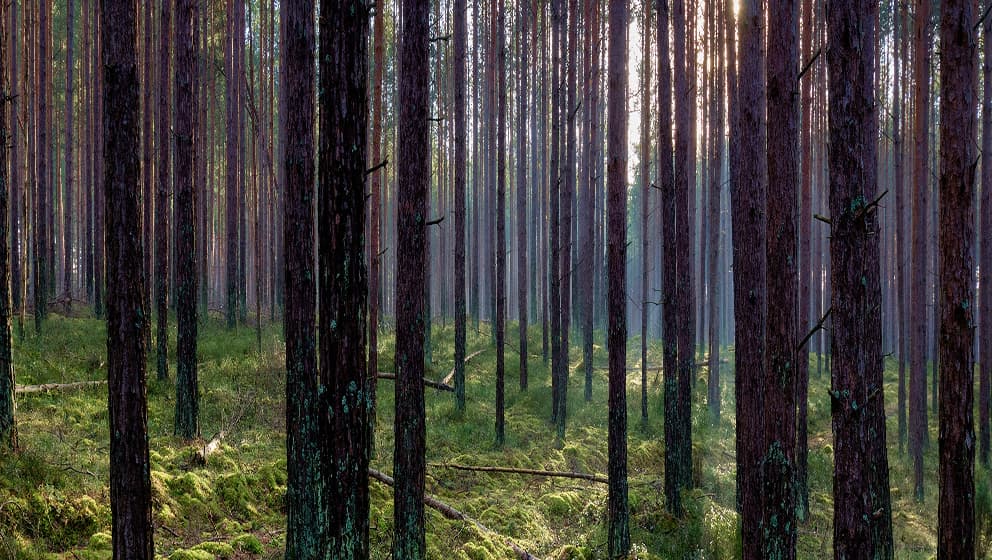
Tuchola Forest is one of the largest forest complexes in Poland, stretching across the borderlands of the Pomeranian and Kuyavian-Pomeranian regions. Pine forests shape much of its character, filling the air with the scent of resin and bathing the landscape in amber light at sunrise and sunset. Lakes, rivers and wetlands add variety to the scenery. This combination of dry, sandy ground and nearby water creates excellent conditions for mushrooms to thrive.

An autumn morning in the Tuchola Forest smells of damp moss and pine resin.
Around five days after a good spell of rain, with mild temperatures and no strong winds, mushrooms begin to emerge across the pine forests. It’s the perfect excuse to leave the city behind and, after a few hours on the road, turn an ordinary weekend into a little adventure. Mushroom picking is about much more than coming home with a full basket. It’s also an exercise in mindfulness and a chance to reconnect with nature, similar to the Japanese practice of forest bathing.

A UNESCO Biosphere Reserve
The region’s protected status adds to its unique character. Tuchola Forest is listed as a UNESCO Biosphere Reserve and is home to Tuchola Forest National Park, which celebrates its 30th anniversary this year. Three decades of protecting some of the forest’s most precious areas is a milestone worth celebrating – and it’s not the only 30th anniversary this year. Continental is also marking 30 years on the Polish market, having worked to make driving safer and more comfortable since 1996.
The National Park covers only around 1% of Tuchola Forest – just over 45 km² – but mushroom picking is not permitted within its boundaries. Instead, enthusiasts head to the surrounding managed forests, where there is plenty of ground to explore.
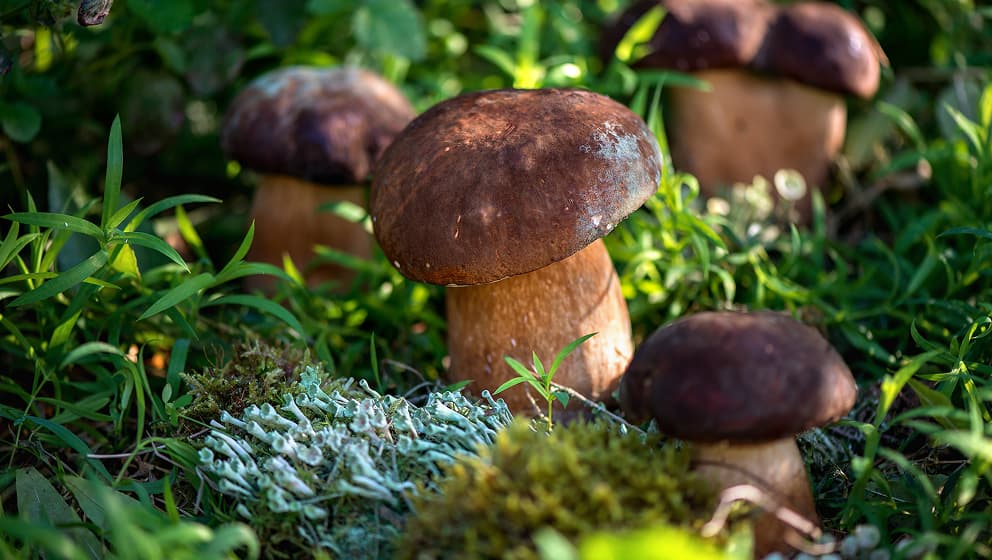
Mushroom GPS and Staying Safe
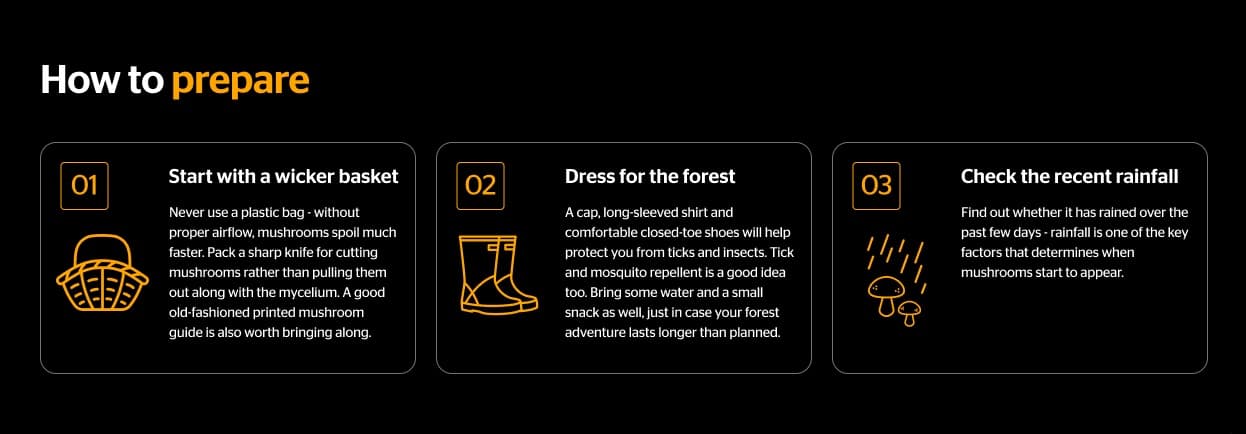
- Make sure your car is ready for autumn driving.
- Before heading into the forest, download an offline map of the area and drop a pin where you parked.
- The mobile Forest Data Bank app (mBDL) can help you check what type of forest you’re in and make sure you haven’t entered a nature reserve or another protected area. Its forest stand map also shows which tree species grow in a particular location.
- Only pick mushrooms you are 100% certain you can identify. If you have even the slightest doubt, leave them where they are. Young mushrooms can be particularly tricky, as they may not yet display all the distinctive features of their species.
- During mushroom season, many regional and district sanitary and epidemiological stations across Poland offer free mushroom identification services. If you’re unsure about your finds, an expert can check whether they are safe to eat.
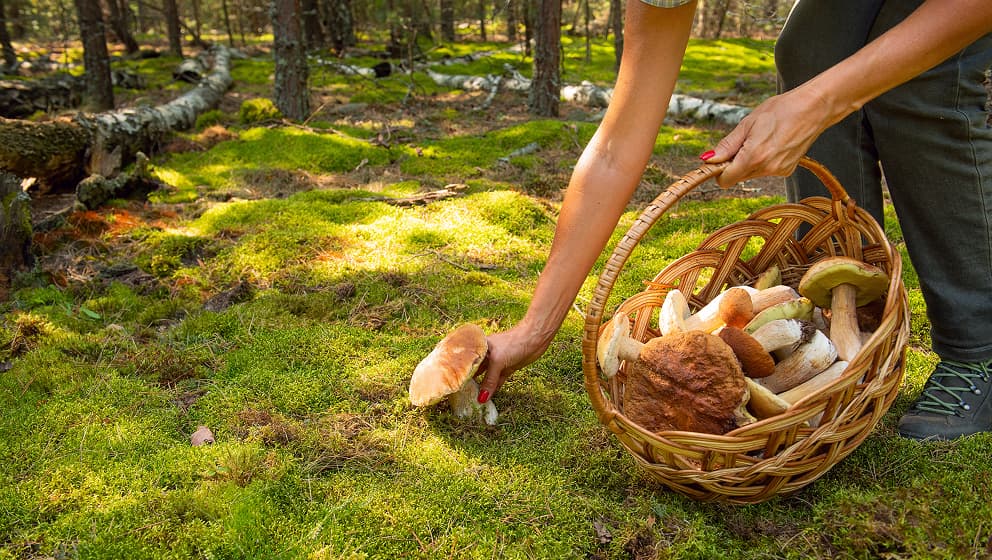
Read the Forest
Mushroom picking is also about learning to read the forest – the trees, the moisture and the forest floor. Most fungi live in symbiosis with specific tree species and simply won’t grow without the right partner nearby. Tuchola Forest is very much the kingdom of pine, which accounts for more than 95% of its tree cover. Deciduous trees such as oak, beech and aspen are less common, found mainly in the southern part of the region and in richer, wetter habitats.
That means you have a good chance of finding bay boletes or slippery jacks, while penny buns – the prize almost every mushroom picker hopes to find – and orange birch boletes are more likely to appear in areas with a greater variety of trees. Chanterelles, meanwhile, prefer bright spots that still retain some moisture.
Rather than wandering around at random, move through the forest in a zigzag pattern, covering a strip about 30 metres wide. Once you spot a mushroom, search the ground within a few metres around it – there may well be more nearby. And don’t stick too close to the roads: head a little deeper into the forest.


Where does it smell like fall?
A mushroom basket, comfortable shoes, and a bit of time—in autumn, that’s all you need to truly soak up the atmosphere of the Tuchola Forest. In this article, created in partnership with Onet Podróże, we suggest where to go mushroom picking, what to see along the way, and how to prepare for your autumn trip. After all, in the Tuchola Forest, the places and moments discovered along the journey are just as important as the destination itself.


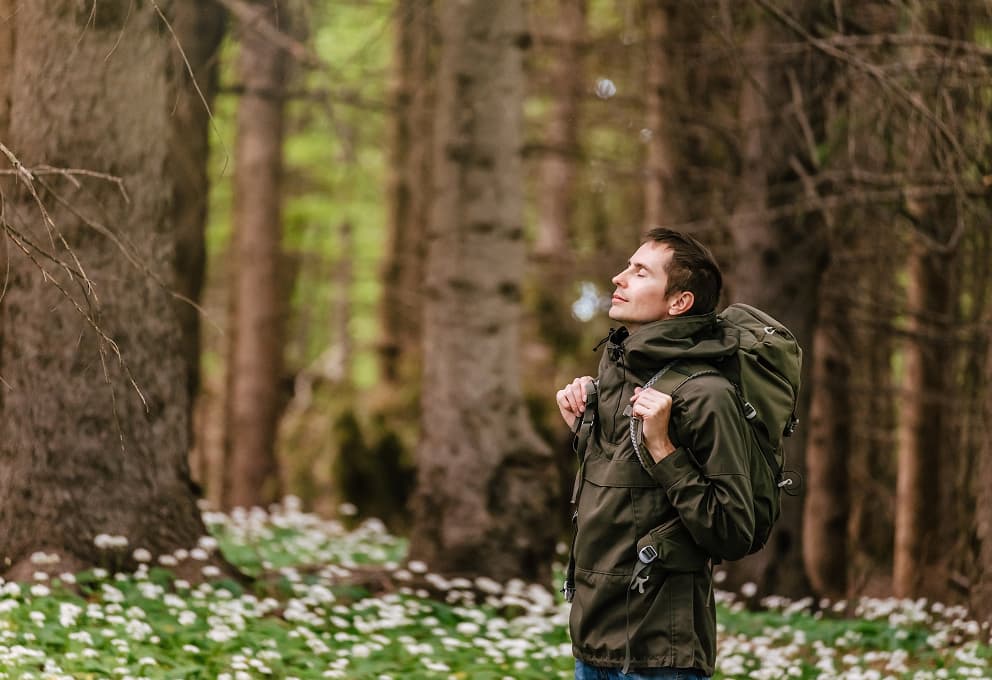
Shinrin-yoku
Mushroom picking in Tuchola Forest is about more than what ends up in your basket. You could think of it as Poland’s traditional take on shinrin-yoku, the Japanese practice of forest bathing. Polish mushroom pickers have instinctively followed the same idea for generations: step into the forest, slow your breathing, quiet your mind and simply spend time among the trees. Research suggests that even a short time spent in nature can help lower cortisol levels, blood pressure and heart rate, while the natural essential oils released by trees – mainly pines in Tuchola Forest – may also support the immune system.
That’s why a full basket is only half the reward. The other half is impossible to weigh: the scent of damp pine needles, the forest floor crunching underfoot, morning mist drifting over a lake and that rare feeling of time standing still. The mushrooms are really just an excuse to step into the forest – and come back a little calmer.
A Full Basket Is Only Half the Reward
The other half is impossible to weigh: the scent of damp pine needles, the forest floor crunching underfoot, morning mist drifting over a lake and that rare feeling of time standing still. The mushrooms are really just an excuse to step into the forest – and come back a little calmer.

Route details
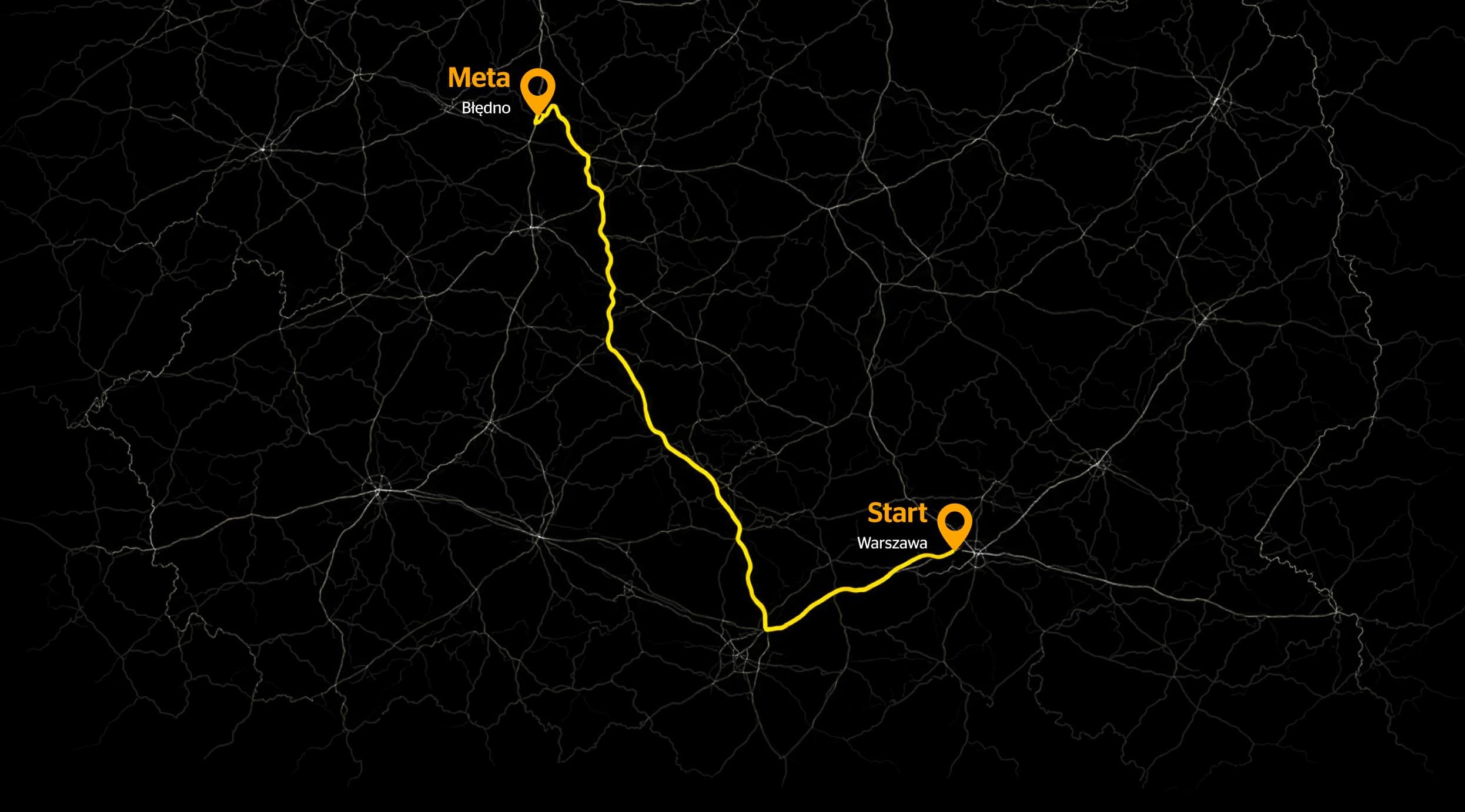
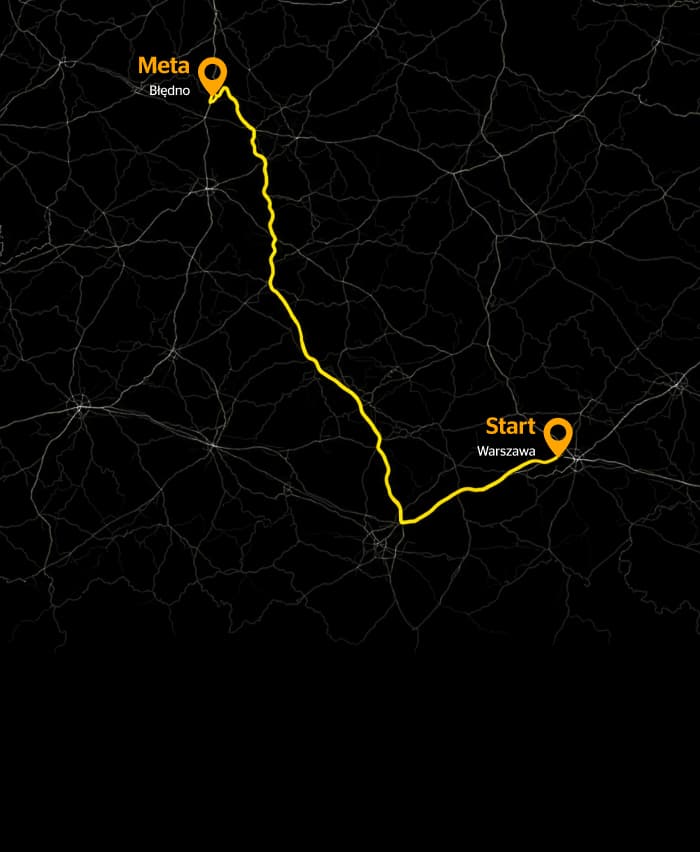
Finish
But the journey doesn’t end here — explore other roads













The path to building strong position on the Polish market
Explore route details