
Road to coffee machine

Start
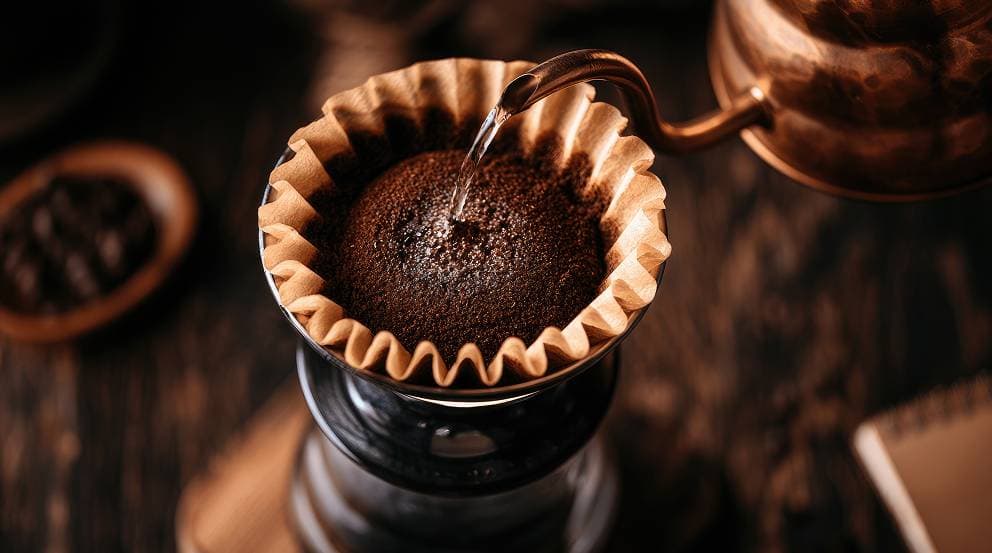
Not so long ago the conversation about coffee was boiled down to a choice: black or white, machine-brewed or instant?
Nowadays, we increasingly ask about the country of origin, the roastery, the bean processing method, or the brewing technique. This shift is also clearly visible in cities: specialty coffee is no longer the exclusive domain of a handful of spots in Warsaw or Kraków. Quality coffee is reaching smaller towns, and cafés are increasingly combining forces with bakeries, bookstores, or art galleries. There is also growing talk of „coffee tourism”—traveling across the country to visit interesting cafés and roasteries.
How many roads lead to one cup of coffee?
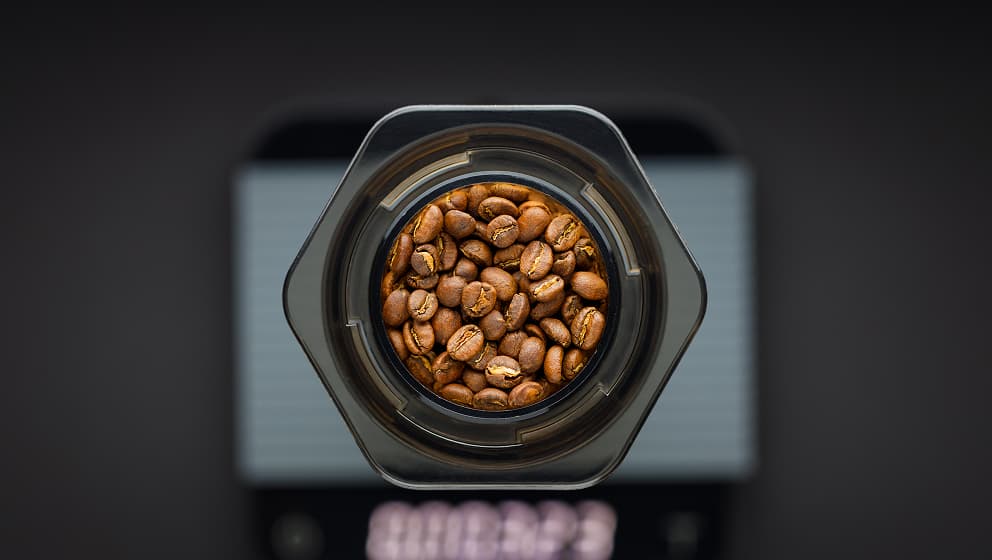
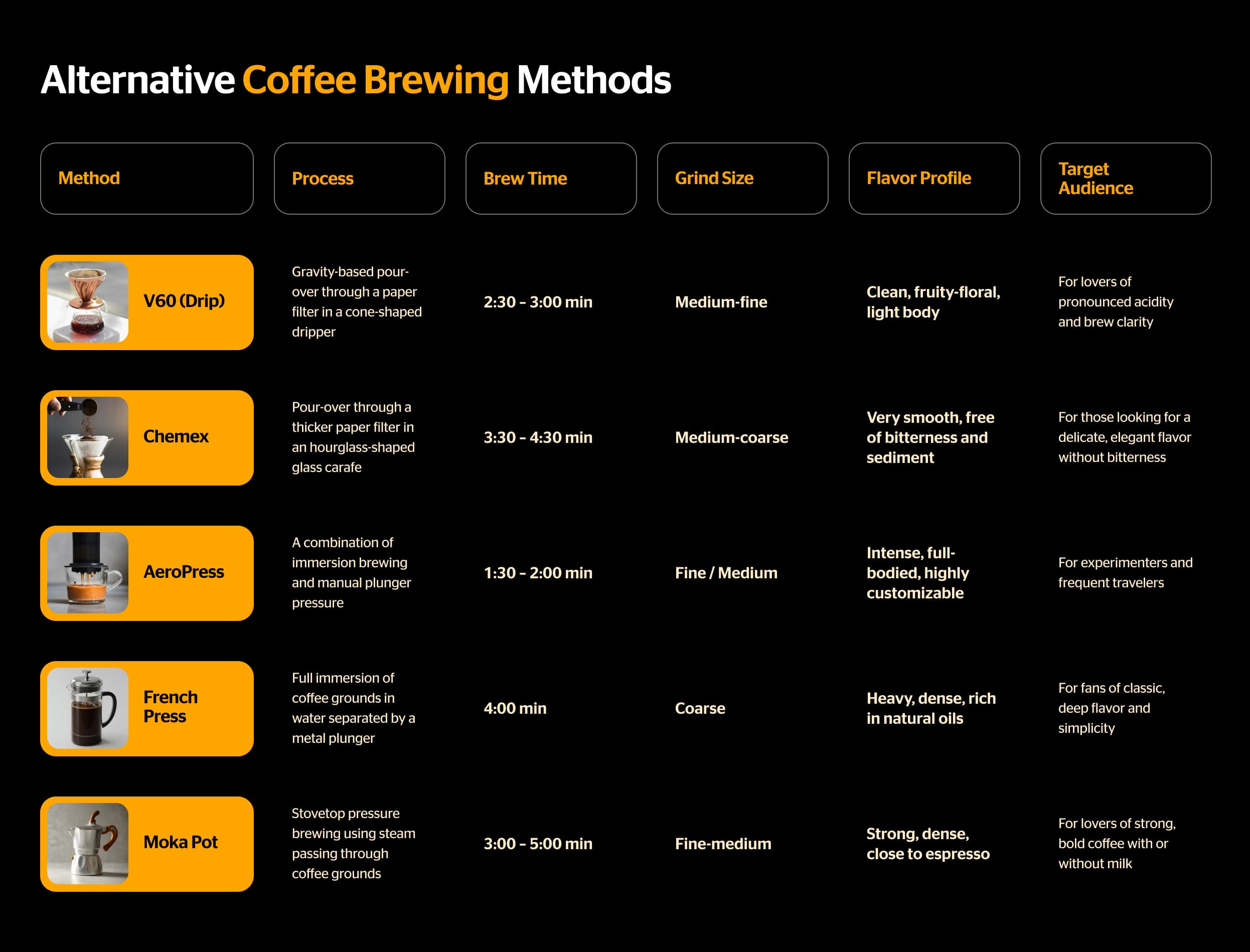
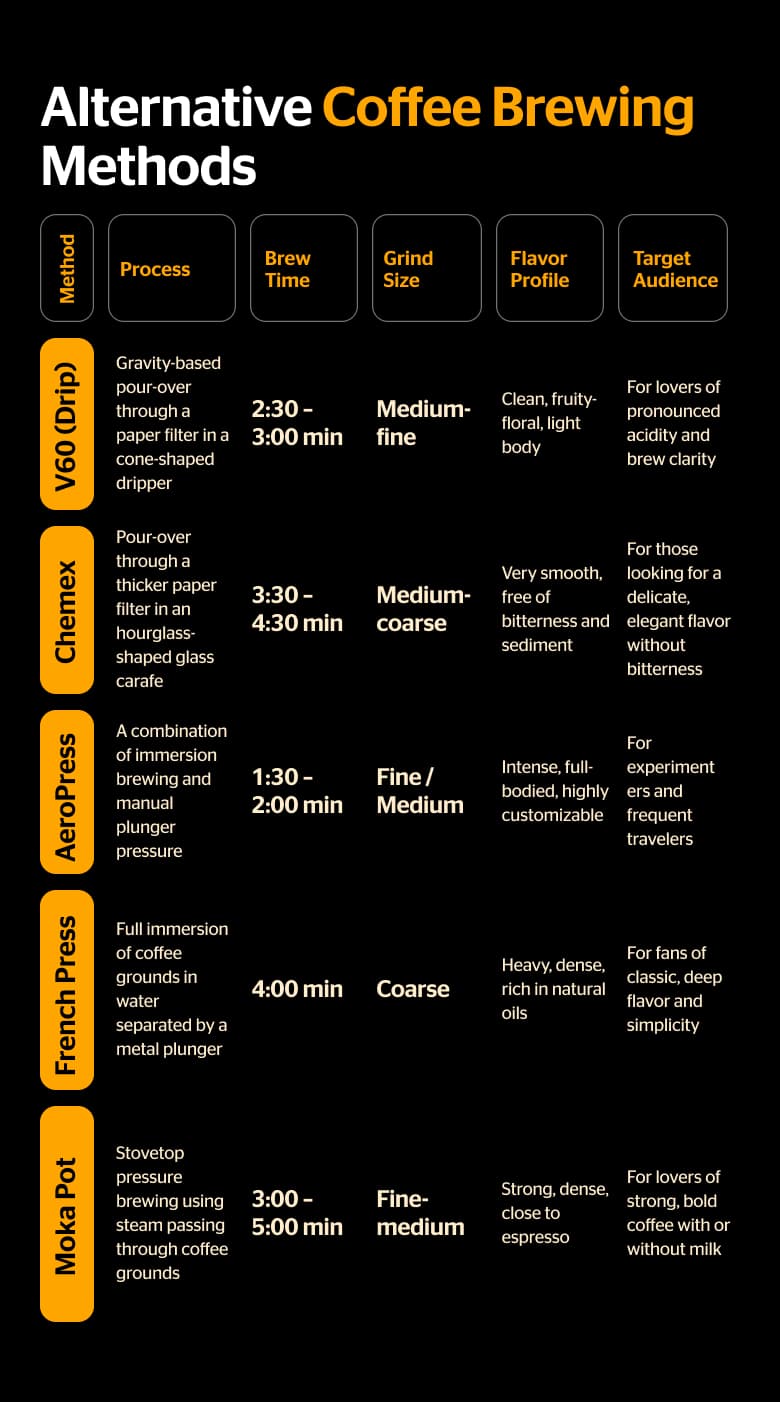
When our interest in coffee begins it quickly turns out, that coffee machine is only one of many options. The V60, popular “dripper”, allows you to obtain a lighter and clearer infusion, in which you can detect fruity or floral notes. The Chemex takes delicacy a step further, while the AeroPress offers room to experiment with temperature, timing, and ratios – even when outdoors, on a mountain trail. For someone raised on dark-roast coffee, that first pour-over can come as a surprise. Where is the bitterness? Why does the coffee taste like blackcurrant or citrus? Is that acidity intentional? The brewing method draws out different characteristics from the beans. You don’t always have to change the coffee itself; sometimes, simply choosing a different path to the cup is enough.

How far can a cup of coffee take us?
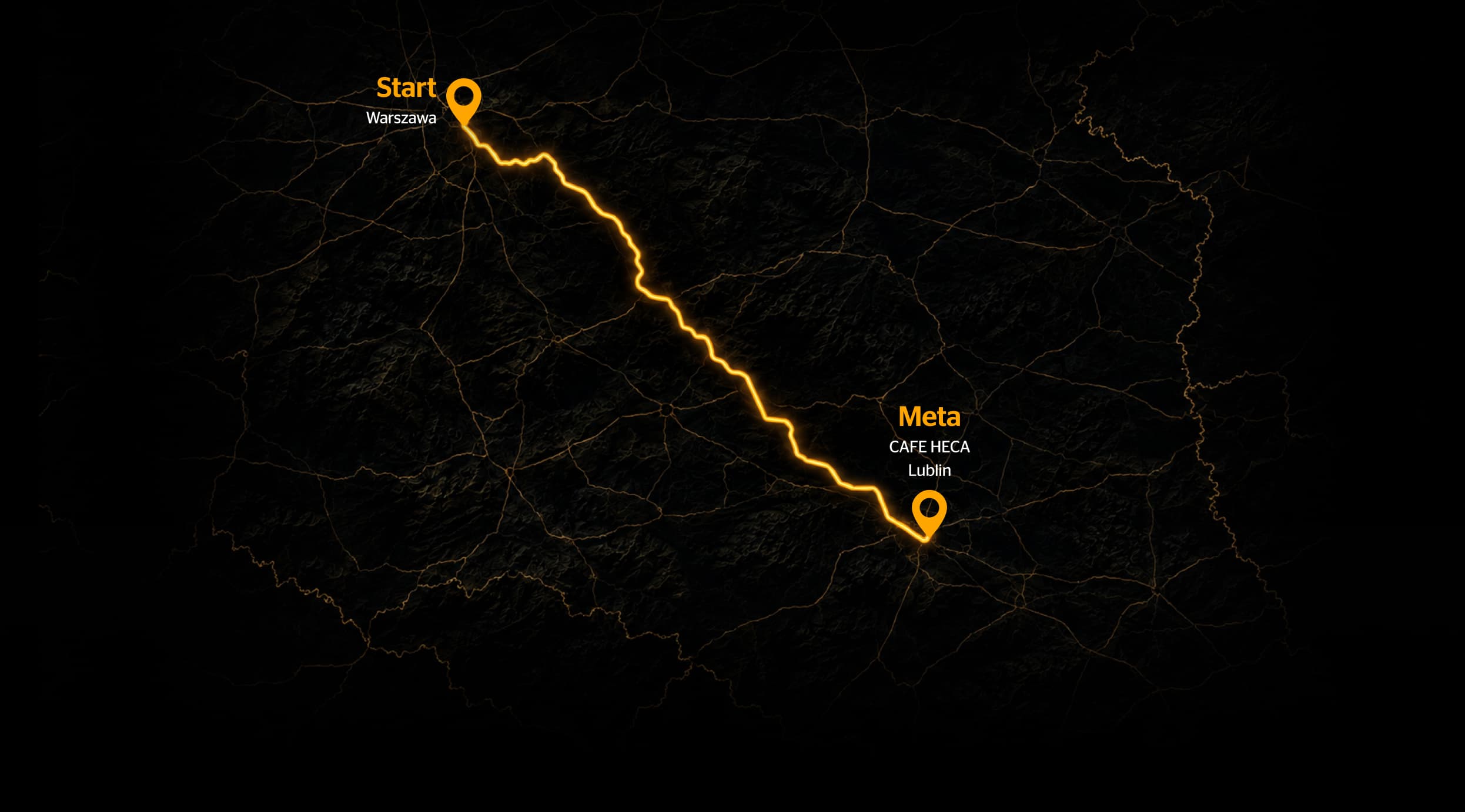
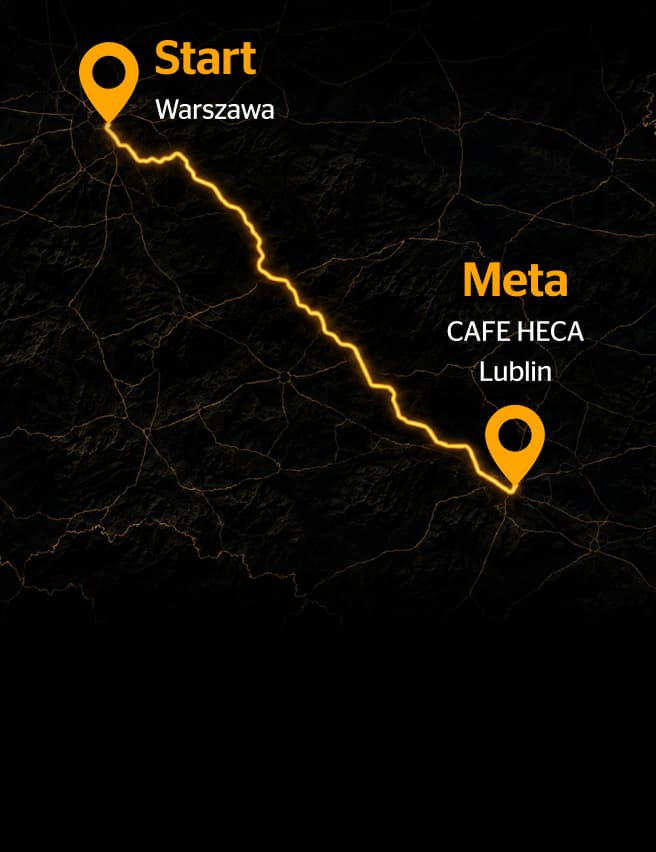
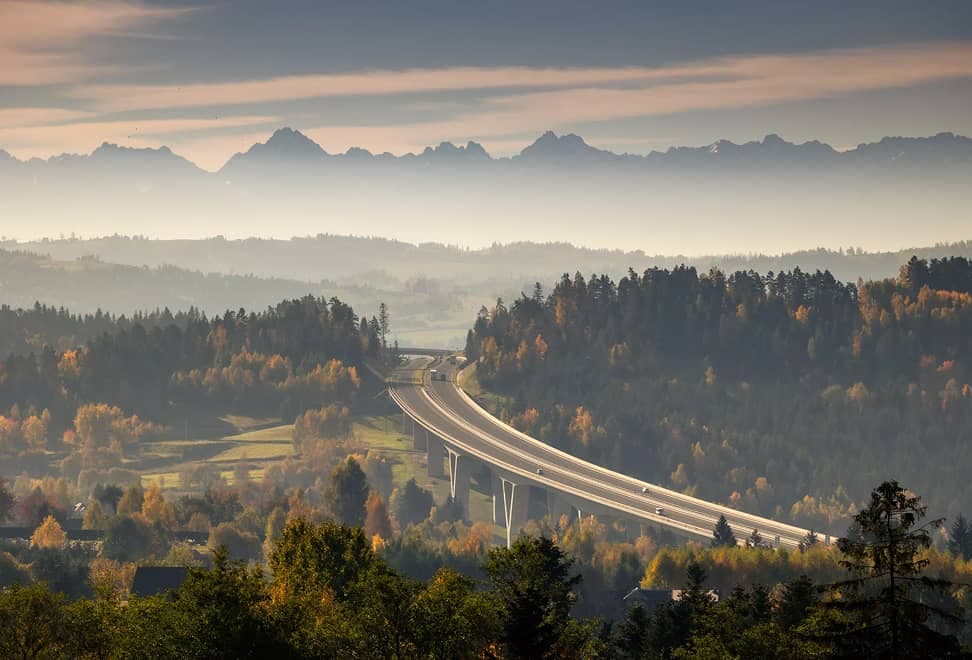
The S17 expressway runs from Warsaw to Lublin. It is a route that leads to a destination where an espresso awaits—specifically, one served at Heca, a café owned by Dawid Myśliwiec (@naukowybelkot). This destination quickly proves to be merely the beginning, as good coffee can spark a multitude of questions. Suddenly, it turns out that a small cup can be the start of a long journey.
Lublin’s very own story of coffee
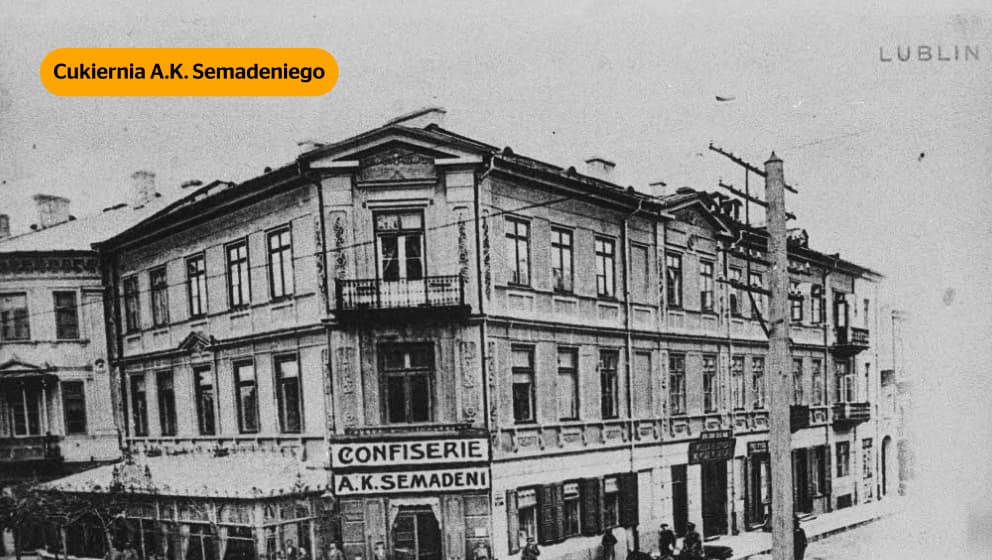
In XIX century Lublin already had its own coffee culture. In 1836 a Swiss called Andrzej Samadeni opened a bakery on Królewska street and his family established ties with the city for more than a century. People visited the café for its coffee and sweets, but also to talk, meet friends, read the newspaper, or observe city life. The local literary community was also closely linked to Lublin’s cafés.

Coffee changes with the seasons. Roads change too
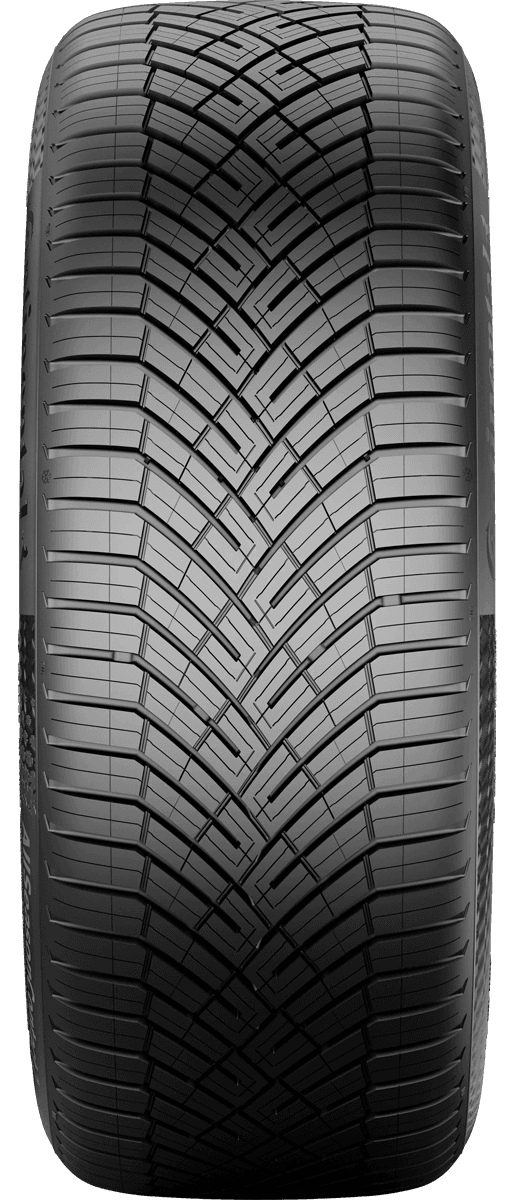
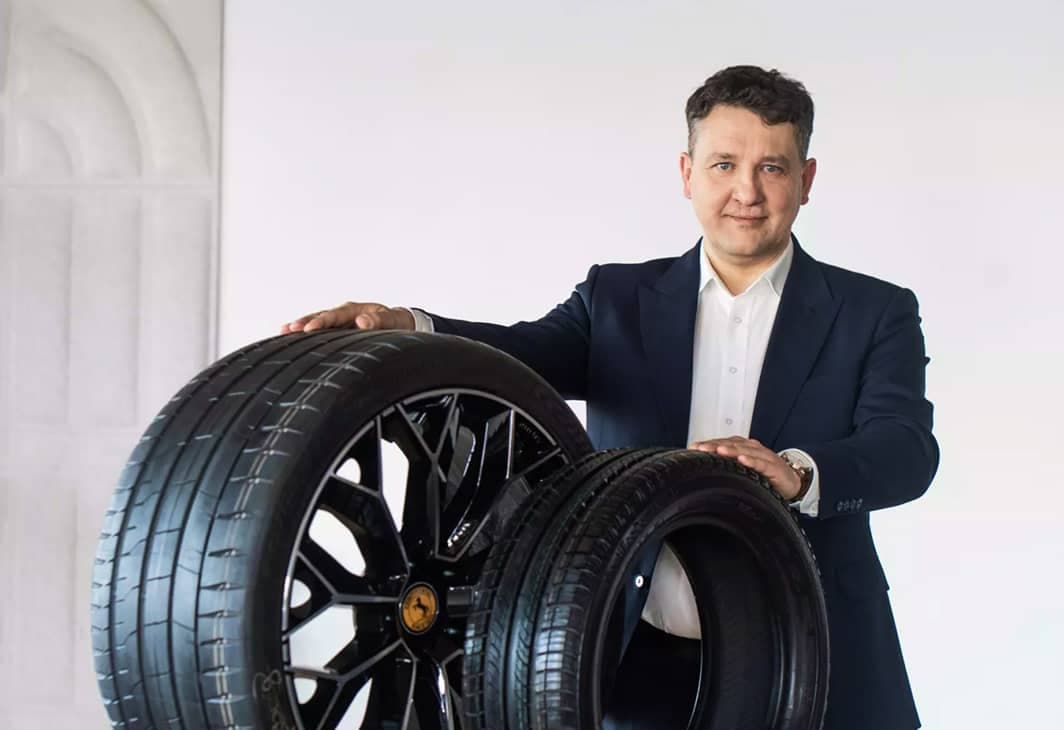
This is precisely where the two stories of this journey converge. For just as coffee changes, so do the conditions in which we hit the road. Sun-baked summer asphalt, autumn rain, a cold morning, the first frosts, or a spring downpour – placing different demands on the car. The Continental AllSeasonContact 2 is an all-season tire designed specifically for driving in these shifting conditions throughout the year. There is no need for a more complex metaphor: let the coffee change with the seasons, while the tires simply do their job, making the journey of discovery easier for us.
When Coffee Was a “Vile Poison”
Poles didn’t fall in love with coffee at first sip. One of the first opinions about coffee was left by Jan Andrzej Morsztyn. In a piece recounting his time in Malta, he described it as a “hideous” beverage and an “ugly poison.” Centuries later, his reaction might ring a bell for anyone who has served a fruity pour-over to someone accustomed to strong, bitter coffee.
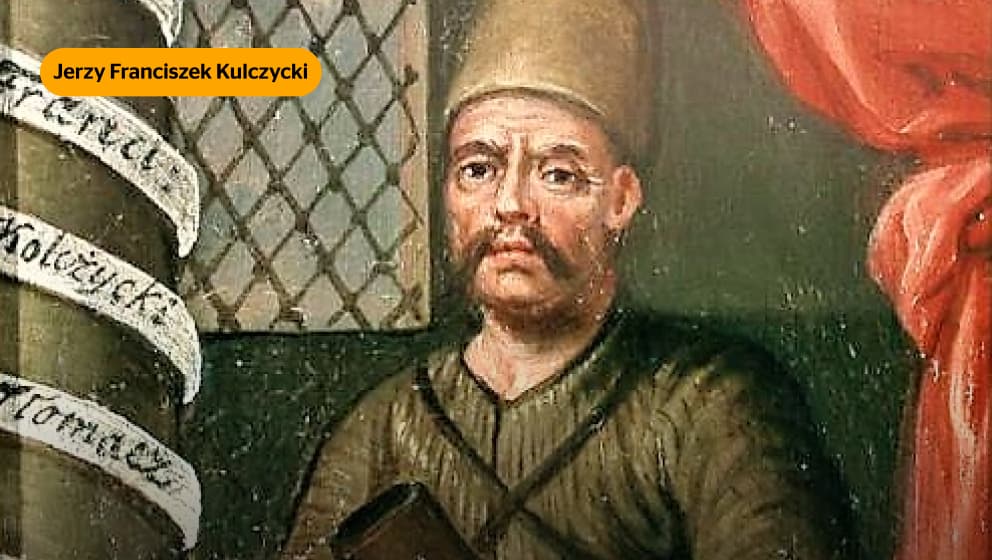
More romantic story is about Jerzy Franciszek Kulczycki. According to popular legend, after the Battle of Vienna in 1683, he received sacks of coffee left behind by the Turks, subsequently opening a coffeehouse and helping to popularize the beverage in Vienna. Today, he is commemorated in Vienna by a monument and a street named Kolschitzkygasse.
Coffee has a calendar
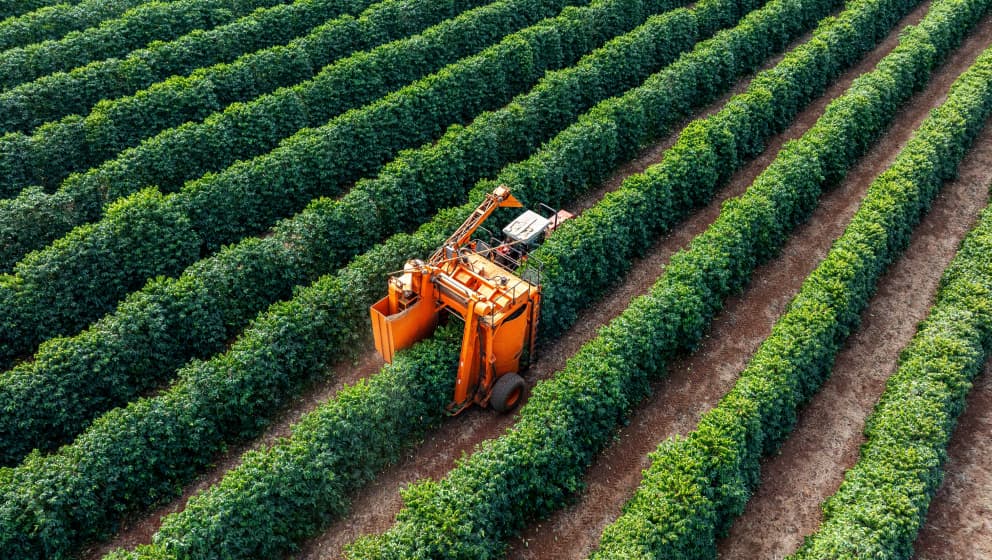
There is yet another reason why the world of coffee cannot be easily discovered once and for all. Coffee is a fruit, so it has specific harvest seasons. These occur in different months across various parts of the world, and the beans still need to be processed, dried, exported, and shipped to Europe. That is why a roastery’s selection can look different in May than it does in November.
In Kenya, the main harvest usually falls at the end of the year, and fresh batches from that season can reach European roasteries in the spring. In Ethiopia, harvesting takes place primarily from autumn through winter, with new coffees often appearing on the market between late winter and spring. The Rwandan season typically runs from spring to summer, so fresh harvests are more commonly available in the autumn. In Brazil, where harvesting generally occurs from May to September, the new season’s crop can reach European warehouses as early as late summer or autumn.
Of course, this doesn’t boil down to a simple equation: fruitty coffees in the summer and chocolatey ones in the winter. You can find a wide variety of flavor profiles coming from a single country. It is more about the fact that the coffee landscape genuinely shifts throughout the year—different harvests arrive fresh, different beans reach the roastery, and new single-origin coffees appear. Layered onto this are our own seasonal preferences: in summer, we tend to opt for cold brew, espresso tonic, or frappé; in autumn, spiced and dessert-like flavors make a comeback; and in winter, we often crave warm, milky coffees. Coffee offers a year-round journey of discovery—one that feels a little different every time.
Coffee feels good on the road
It is also strongly associated with travel: a gas station, a travel mug, and hitting the road again. However, the growing popularity of specialty coffee suggests a different scenario. Sometimes it is worth making a short detour from your planned route to find a local roastery or café – and, instead of ordering your usual, trying out new beans or a different brewing method.

Szczegóły trasy
Finish
But the journey doesn’t end here — explore other roads







The path to building strong position on the Polish market
Explore route details