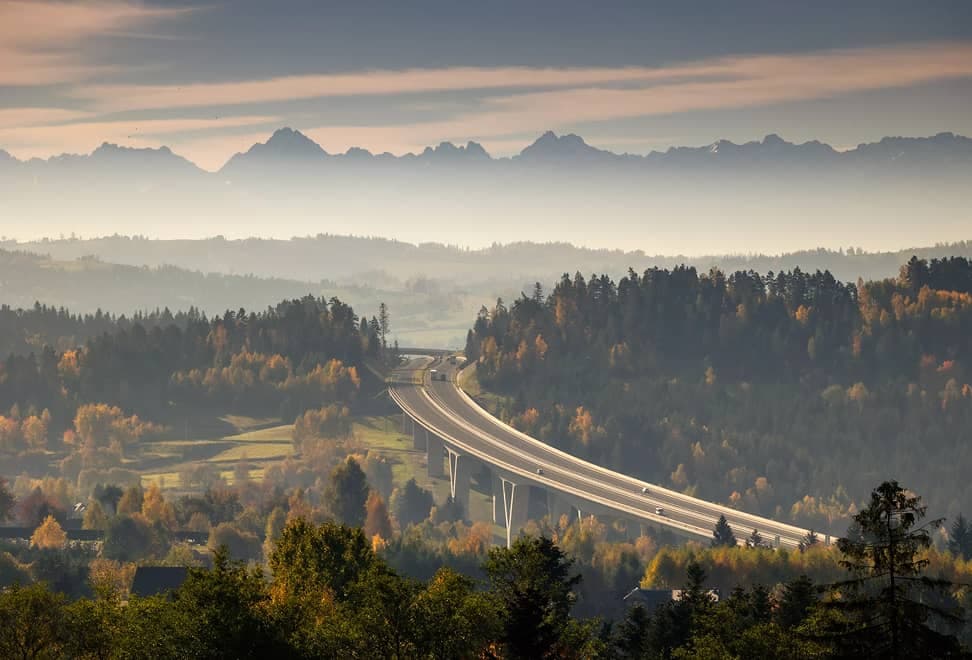
The road to the popularity of skiing

Start

Listen to the interview with Adam Małysz on Onet Rano
Adam Małysz takes us on a journey along the Zakopianka and shares his perspective on road safety as both an athlete and a rally driver. In the conversation, he looks back on his experiences at the Dakar Rally, explains the importance of grip and vehicle control, and shows how to make the right decisions at high speeds.
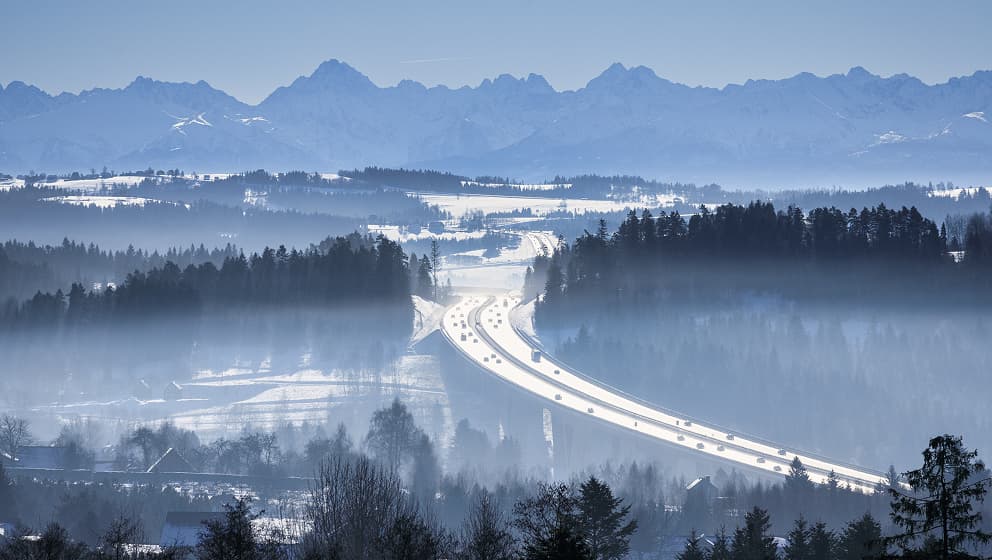
Zakopianka – the road for winter getaways
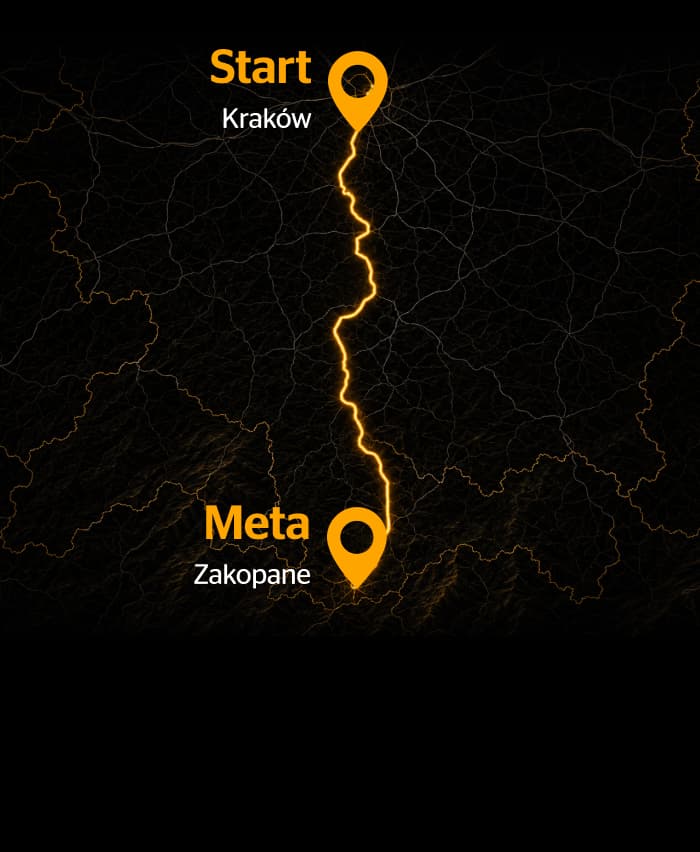
The route connecting Kraków and Zakopane has long been one of the most iconic roads in Poland. For some, it marks the start of an adventure in the mountains; for others, it’s a nostalgic trip down memory lane to their childhood.
In the 1990s, traveling along the Zakopianka could be a real challenge. Winter conditions, heavy traffic, and long lines of cars were an integral part of winter break. Drivers had to demonstrate patience and experience, and proper preparation of the car often determined the safety of the entire journey.
Over the years, the road has changed—infrastructure has improved, new sections have been built, and solutions have been introduced to enhance driving comfort. However, one thing has remained constant: the Zakopianka is still the road Poles take to experience the thrills of winter.
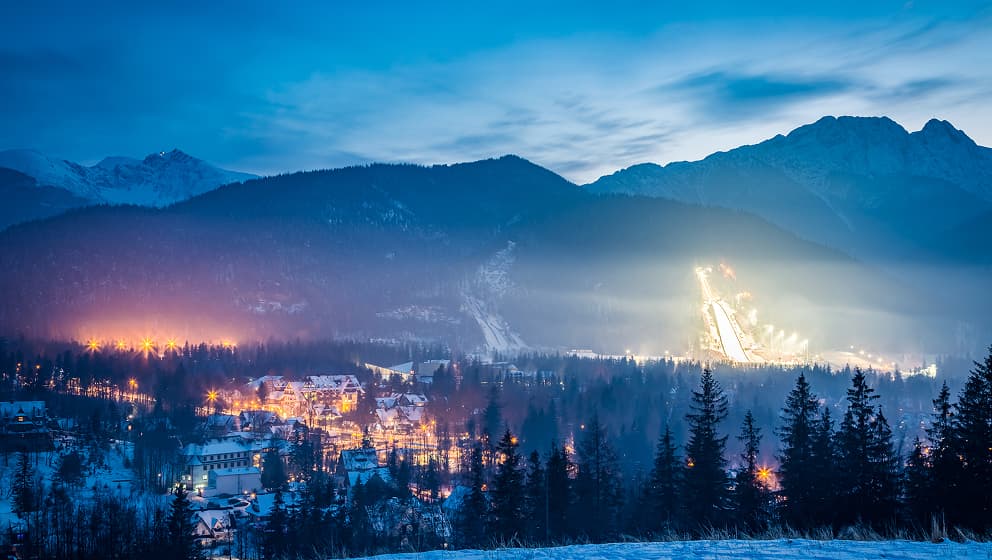
Dreams – the beginning of something great
For many young athletes, 1996 was a time of dreaming about a great career. Among them was Adam Małysz, who was taking significant steps in his athletic career at the time. The reality of training in the 1990s was completely different from today—the equipment was less advanced, the infrastructure was more modest, and success required tremendous determination and talent.
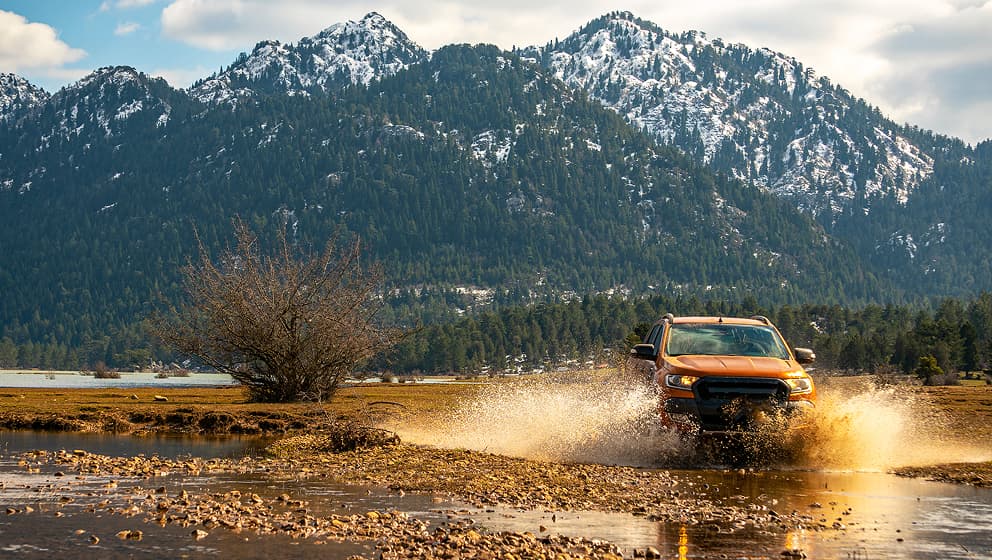
From ski jumps to rally racing
For many fans, Adam Małysz will forever remain a symbol of the golden age of Polish ski jumping. However, even after retiring from the ski jump, competitive sports did not disappear from his life.
His new challenge became motorsports and off-road rallying—a discipline in which, just like in ski jumping, reflexes, precision, and a perfect feel for the equipment are what count. Although the sport is different, the thrills remain very similar: speed, concentration, and a constant battle for the best possible result.

The beginning of a great winter story
The year 1996 was a pivotal moment for both the automotive industry in Poland and Polish skiing. During this period, Continental established its representative office in Poland, and its current partner — Adam Małysz — achieved his first international victory.
For many Poles, this was a time when skiing was gaining increasing popularity. Zakopane, quickly becoming the country’s winter capital, was experiencing record-breaking seasons, and the growing interest in winter sports encompassed both fans and amateurs eager to try skiing. Ski broadcasts on Sunday afternoons became a permanent fixture in the weekend rituals of many families.
The rise of two legends – a tire pioneer and a skiing champion
In the late 1990s, Continental established an official representative office in Poland—initially with a small team of 25 people who were just getting started in our market. At the same time, Adam Małysz was achieving his first major successes on the ski jumps. On March 17, 1996, in Oslo, he won his first World Cup competition, heralding a career that would draw millions of fans to their TV screens in the years to come and significantly boost the popularity of winter sports in Poland.
The Zakopianka — the road leading from Kraków to Zakopane — also features in this success story of both brands. For years, fans and winter sports enthusiasts traveled along this very road to Poland’s winter capital to watch competitions, cheer on the ski jump, or spend their winter break on the slopes.
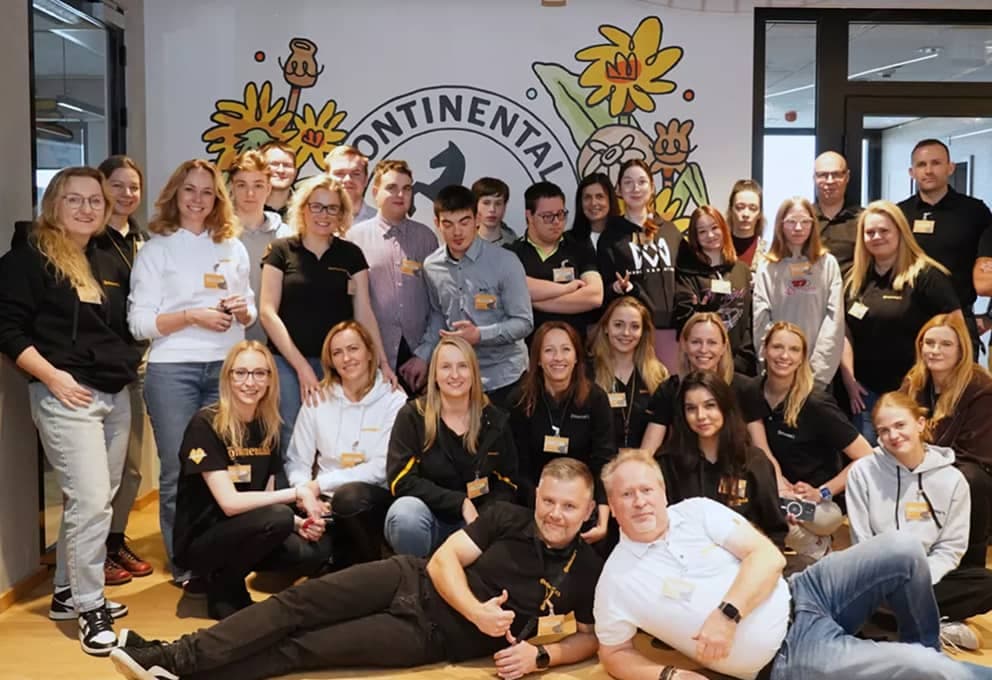
Over the next three decades, however, almost everything changed—both the route itself and the realities of mobility in Poland. As recently as the 1990s, Zakopianka was a legendary road, but one that was often inefficient in terms of traffic flow, associated with traffic jams and difficult winter conditions. Today, it is a much more modern and safer transportation route leading to the Tatra Mountains. The Continental Tires Poland branch has undergone a similar journey of development—from a small team working with a limited number of clients to a company that today employs over a hundred people and is one of the key players in the tire market. These changes clearly demonstrate just how much mobility in Poland has changed over the past 30 years.
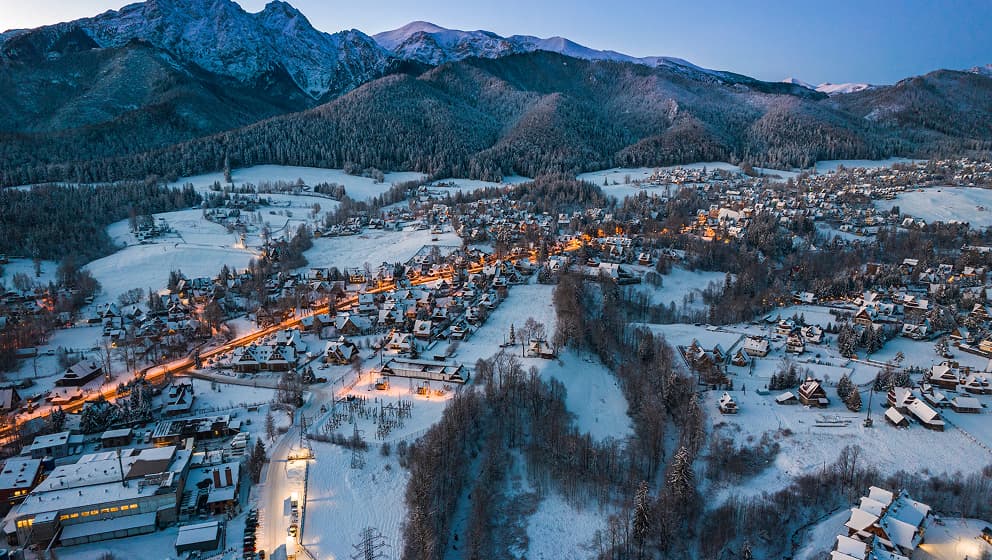
The moment when skiing started to become popular
Today, this road is a symbol of winter travel and sporting dreams. It is along this road that successive generations have made their way to the Polish Tatra Mountains—first out of curiosity, and later out of a genuine passion for winter sports. At the same time, interest in Zakopane itself grew. The city became the winter capital of Poland, and a trip to the Tatras began to be more than just a vacation—it was part of the winter tradition of Poles.
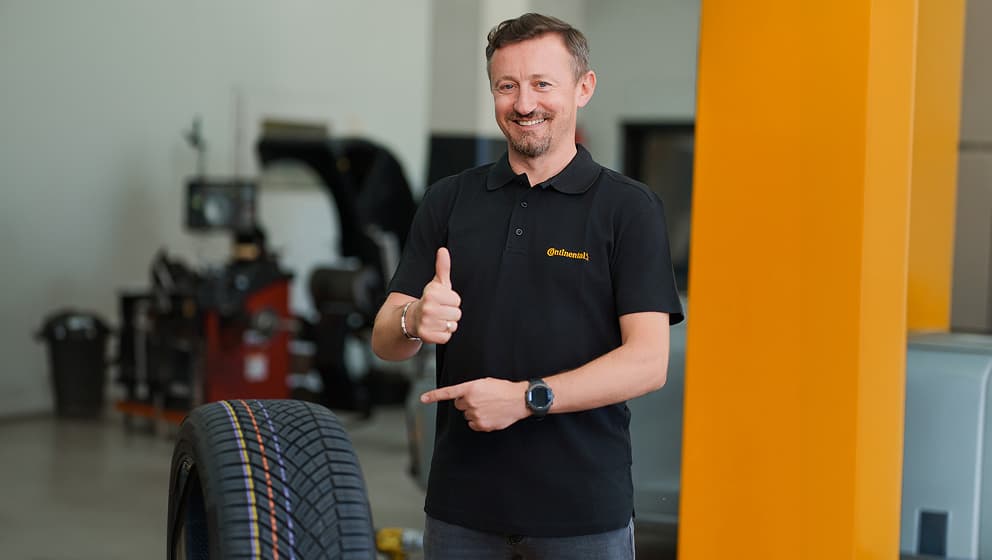
Trust in equipment – in sports and on the road
Winter sports have always taught us one thing: in challenging conditions, having equipment you can rely on is of the utmost importance. Athletes know that every piece of gear — from skis to suits — must perform flawlessly.
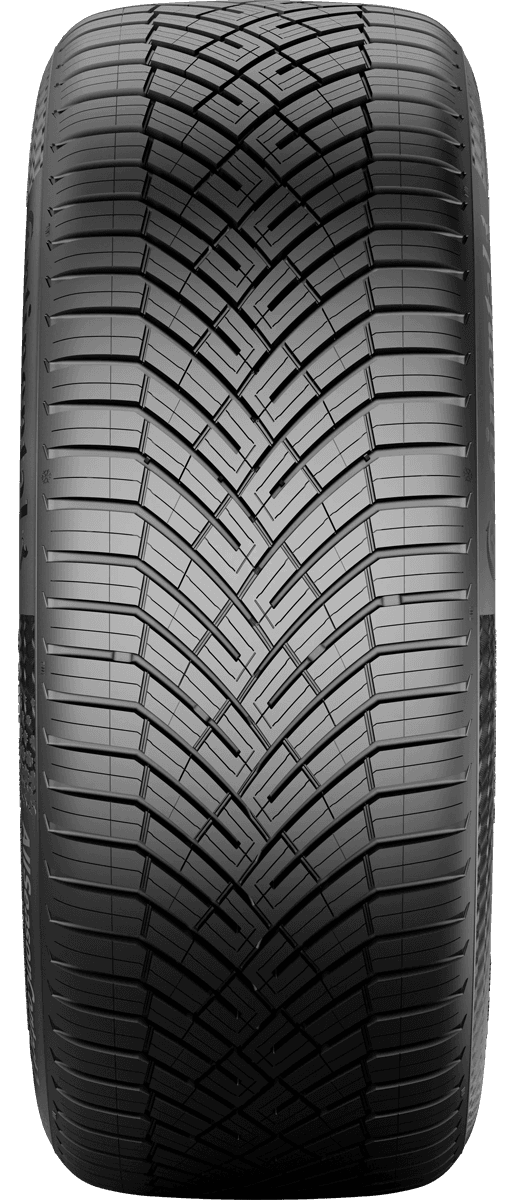
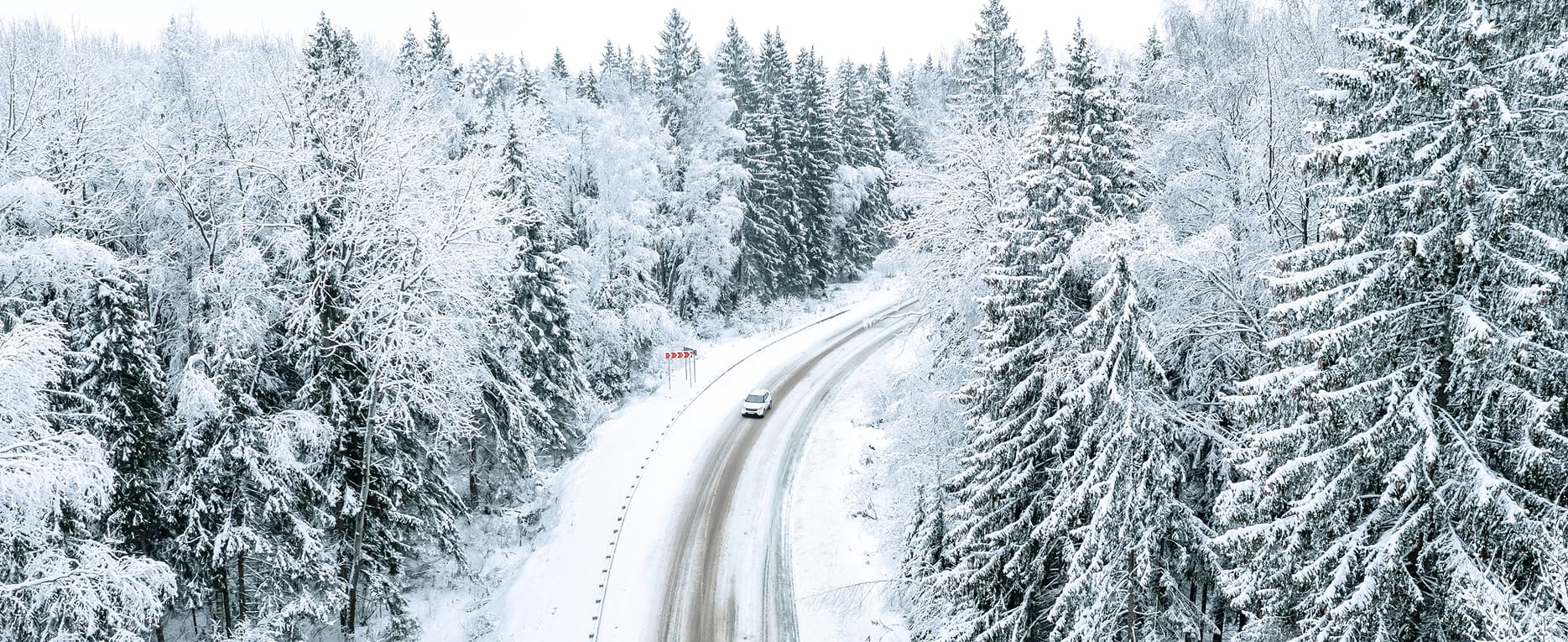
The same is true when driving in winter. Low temperatures, snow, and ice require the driver to have focus, experience, and confidence in the technology that helps maintain control of the vehicle. Proper vehicle preparation and high-quality tires can make a huge difference in challenging conditions.
“Ever since I started working with Continental, I’ve noticed a huge difference when driving on these tires, and I understand how important high-quality tires are. It’s not like you just go in and pick the cheapest ones — I now realize that more expensive tires are well-engineered, and studies very often show that price goes hand in hand with quality” – Adam Małysz
“In fact, I only really accepted that there was such a thing as “Małyszomania” once I started competing in rallies. It wasn’t until I traveled to northern or western Poland that I realized there must have been something to it — that those fans were often following me around” – Adam Małysz
Memory Lane
Today, as the ski jumping season draws to a close, many fans find themselves reflecting on the early days of the sport’s popularity in Poland. Back when the first successes of Polish athletes captured the imagination of the entire nation, and winter trips to the Tatra Mountains became part of family traditions.
The Zakopianka remains a witness to these stories. For three decades, it has guided thousands of drivers toward the mountains—to ski jumps, slopes, and winter thrills. And while cars, tires, roads, and equipment have changed, one thing has remained constant—the joy of the journey along the DK7 and DK47 routes.

Trip details
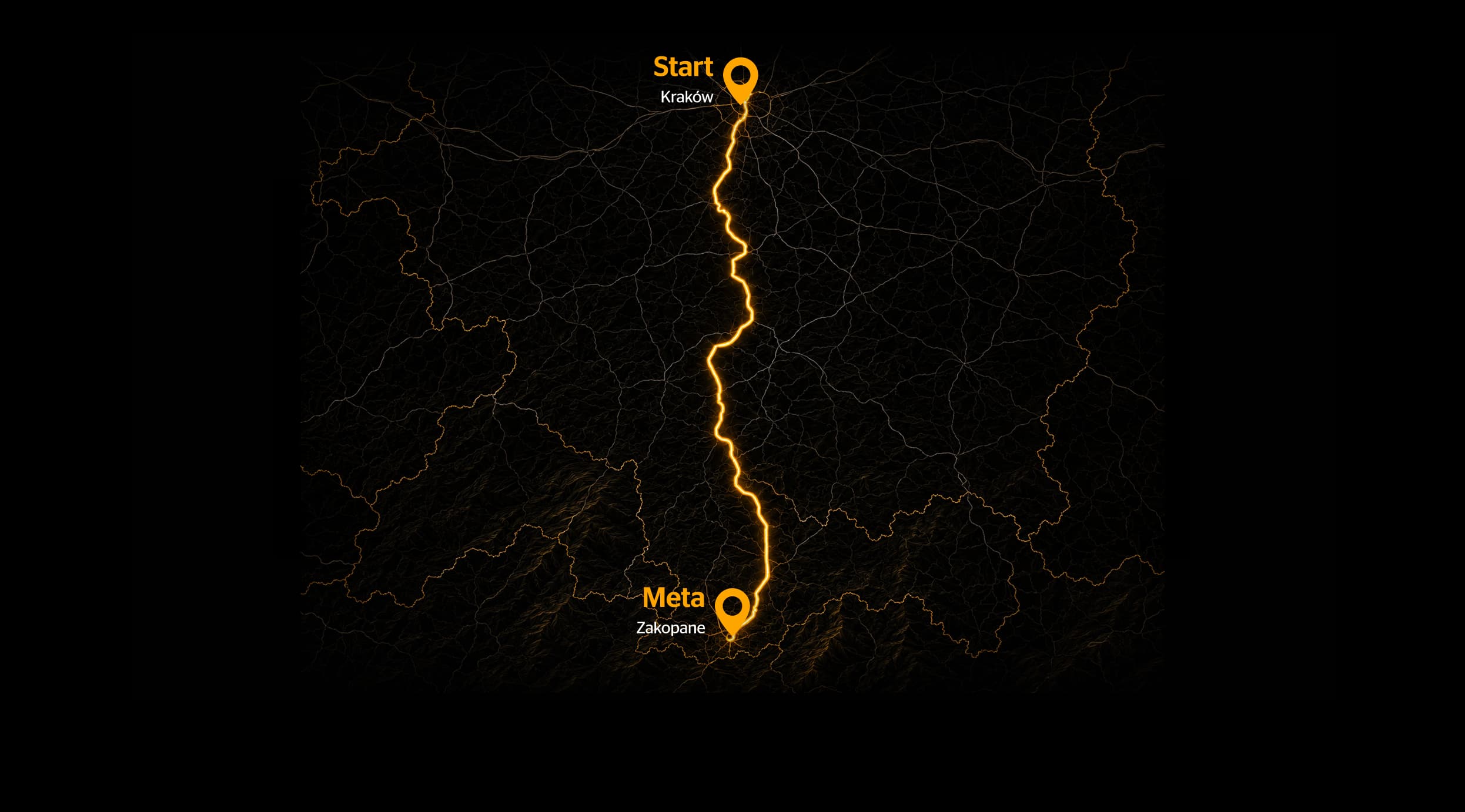
Finish
But the journey doesn’t end here — explore other roads








The path to building strong position on the Polish market
Explore route details