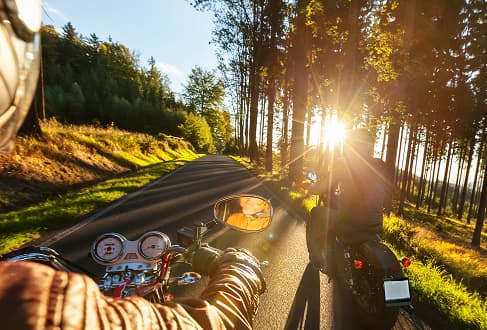
The road beyond the obvious

Start
The Old Kraków Route
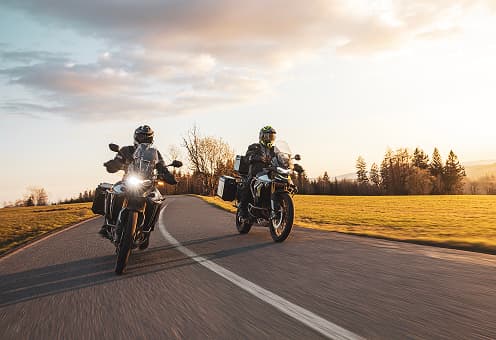
Dating back to before 1819, the Old Kraków Route passed through Nowe Miasto nad Pilicą, Drzewica, Końskie and Jędrzejów. And it is well worth rediscovering on a motorcycle. Quieter roads, changing scenery and stops in unexpected places turn the journey into a destination in itself. Automotive journalist Michał Sztorc retraced the route for Continental.

When the road becomes the destination
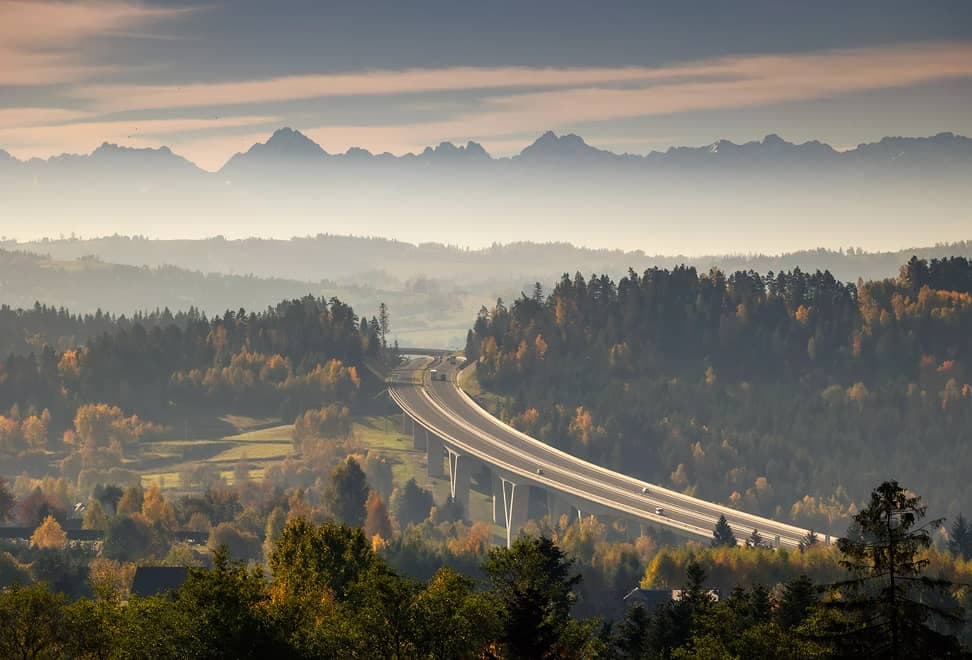
You can ride from Warsaw to Kraków on the expressway in two and a half hours. Or you can forget about racing the clock and take the route travellers followed long before the S7 was built.
A road made for touring
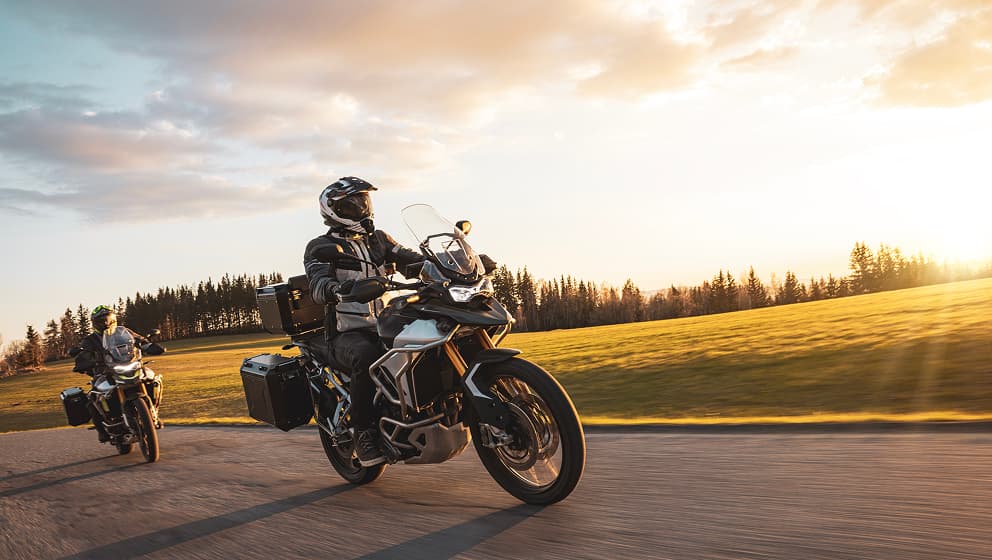
The Kraków Route was much more than a road between two cities. It was one of the main transport arteries around which towns, trade and the postal network developed. Much of it also follows the route taken by the young Fryderyk Chopin when he set off from Warsaw for Vienna via Kraków on 21 July 1829. Today, the same roads offer a chance to experience what motorcycle touring is all about.
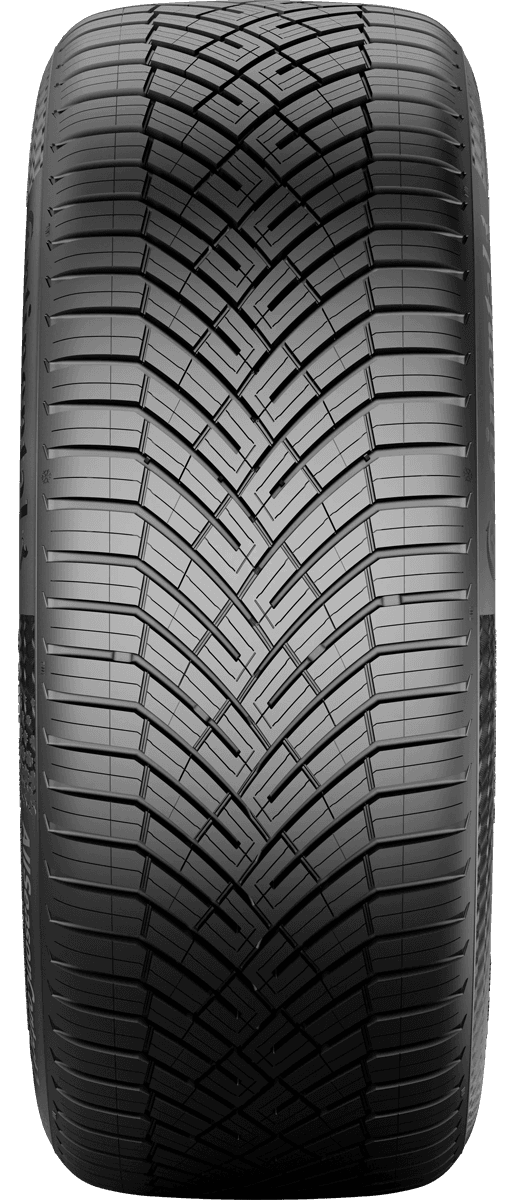
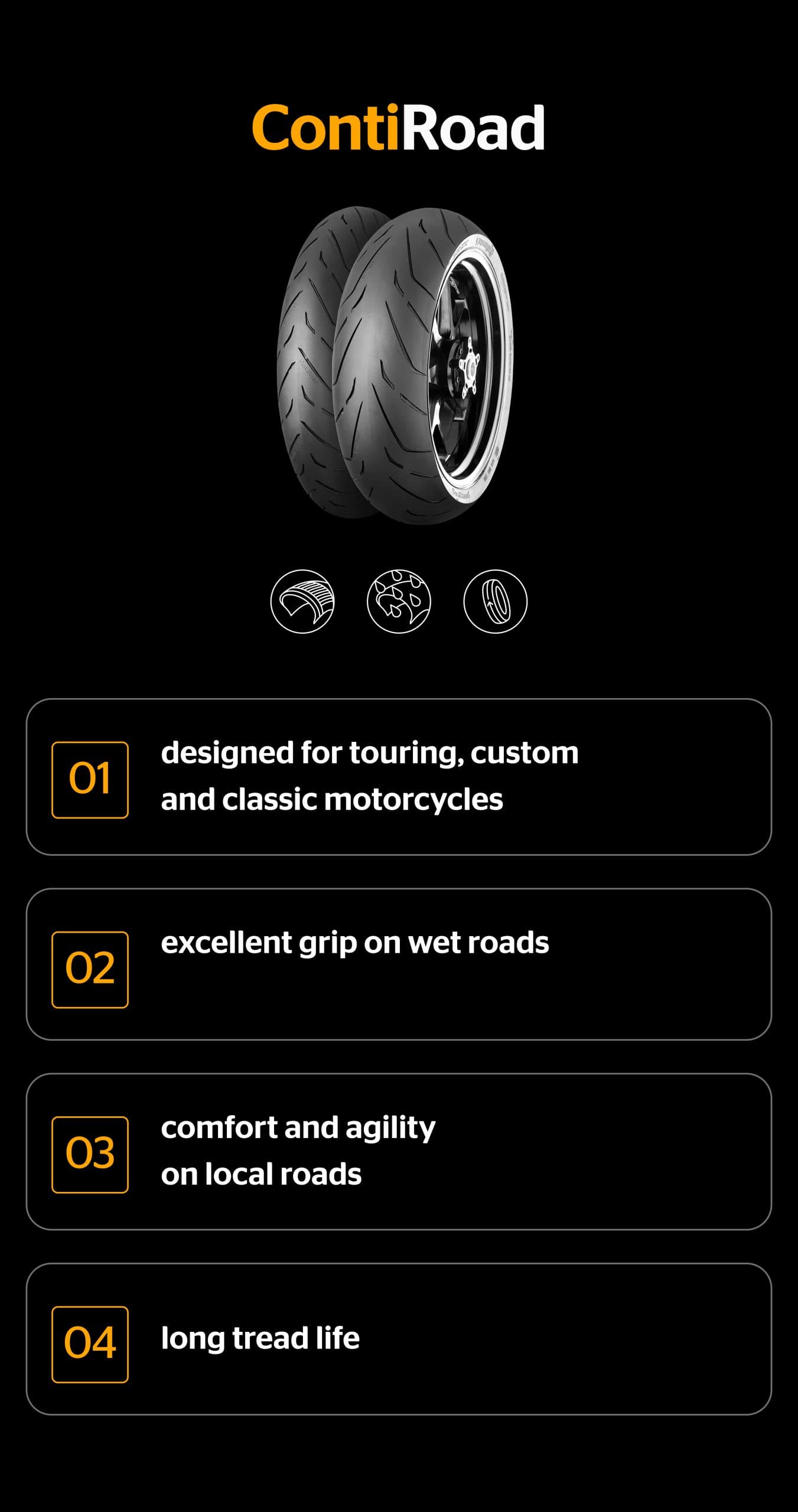
It is not simply about covering the miles, but about taking the time to explore and enjoying the ride as a wide-open road gives way to a winding local route with rougher tarmac, or the weather takes a turn. Continental developed sport-touring tyres such as the ContiRoad and ContiRoadAttack 4 with exactly these kinds of conditions in mind.

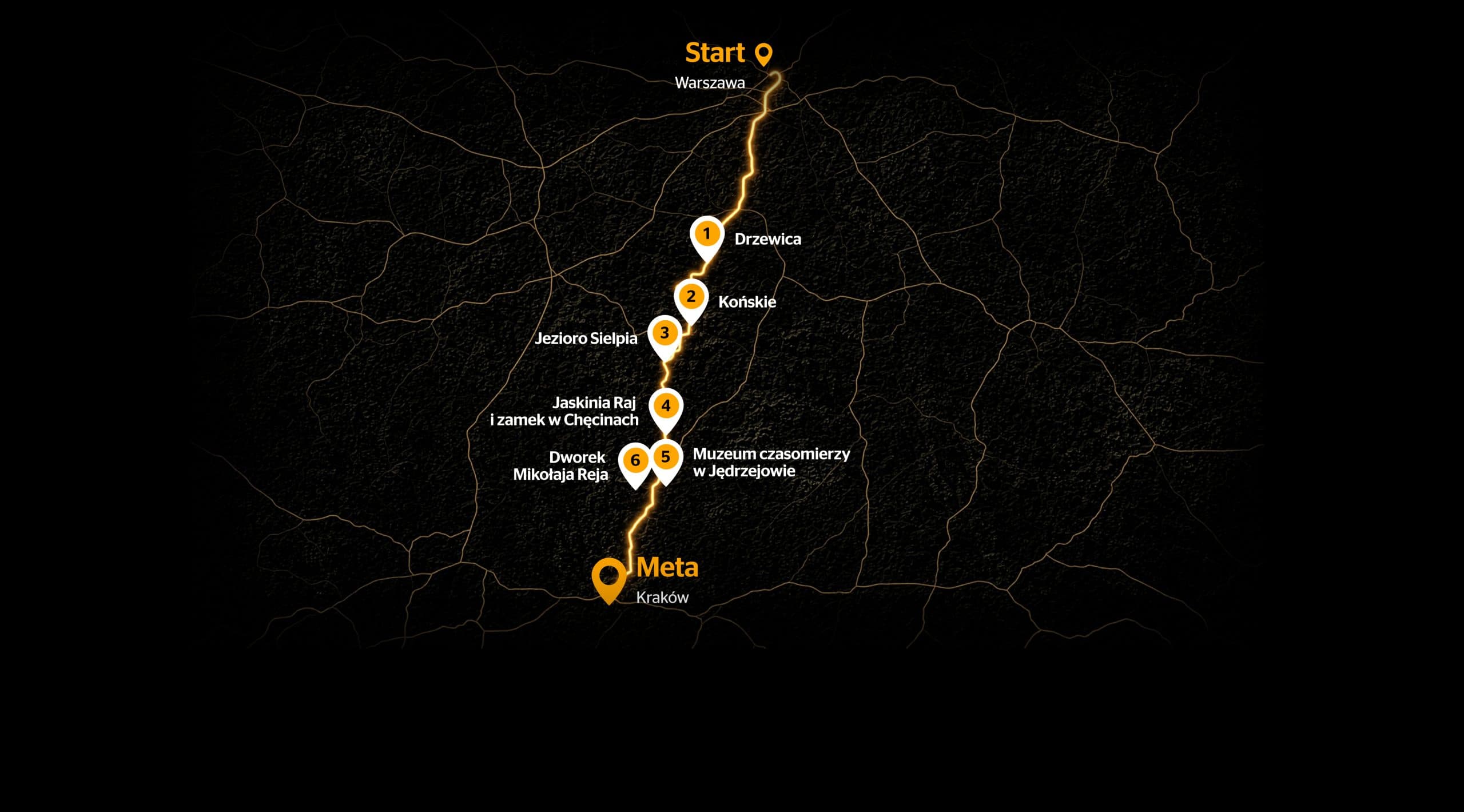
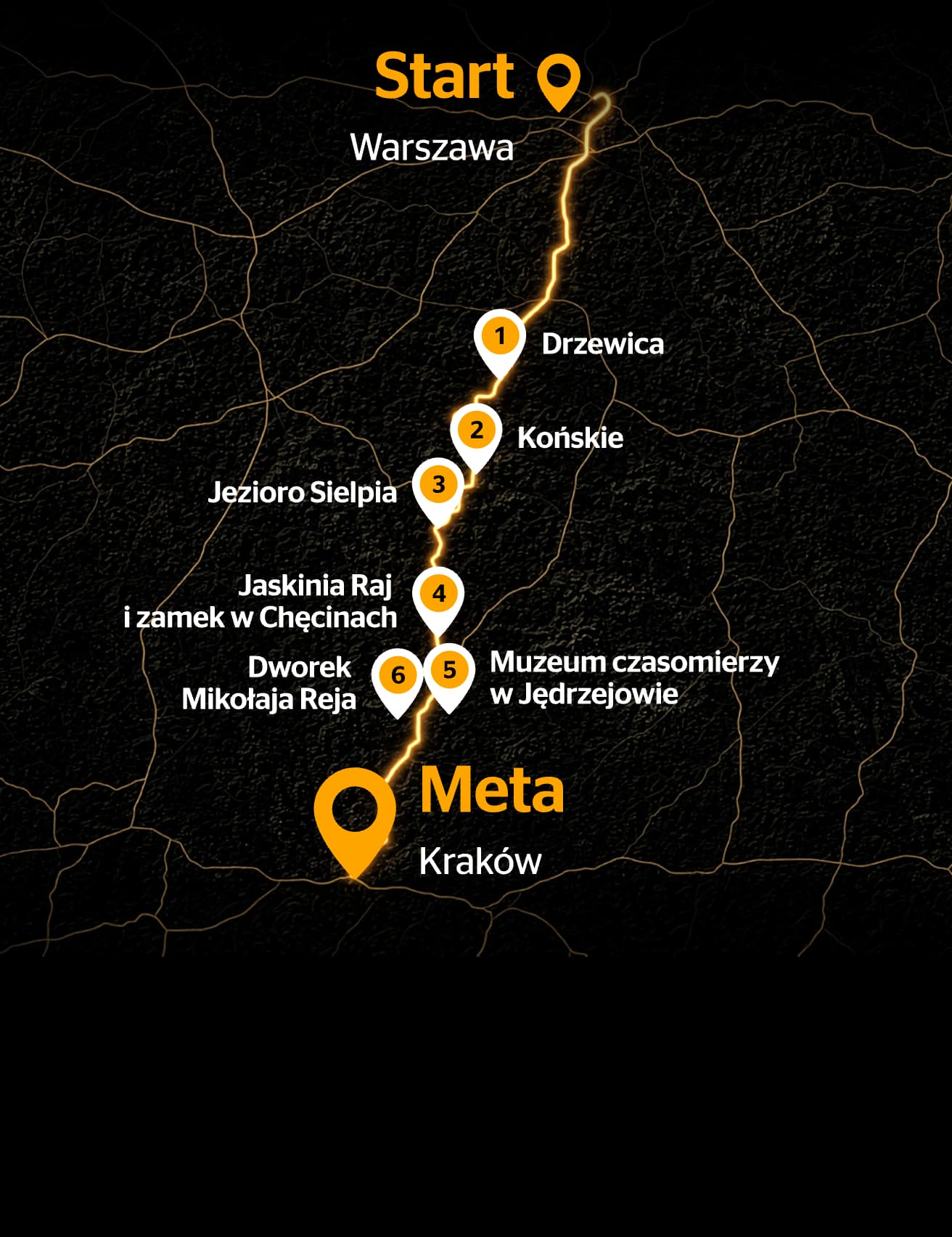
1. Drzewica
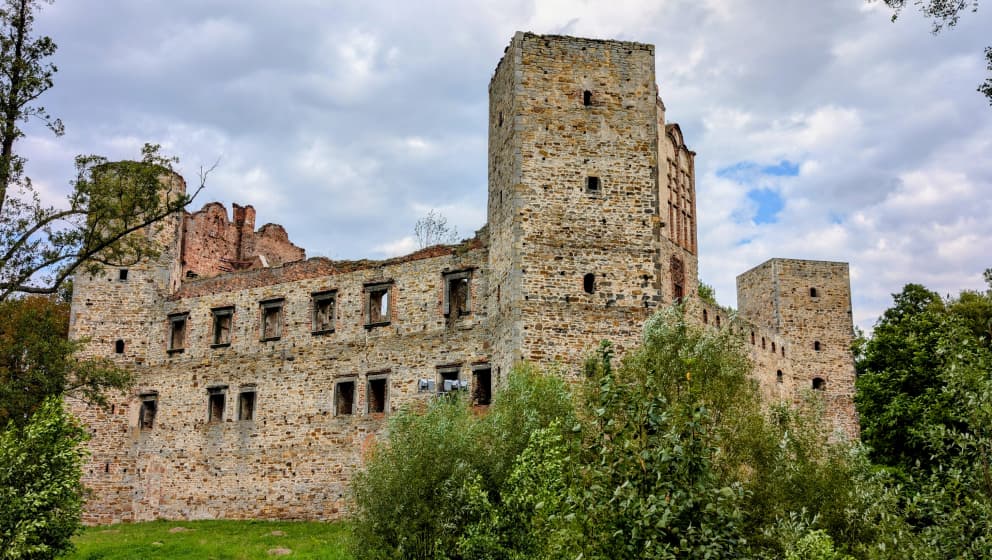
In Drzewica, it is worth making a short stop at the ruins of the 16th-century Gothic-Renaissance castle. Today, its walls are one of the most distinctive landmarks along this part of the route – and a great spot for some interesting photos.
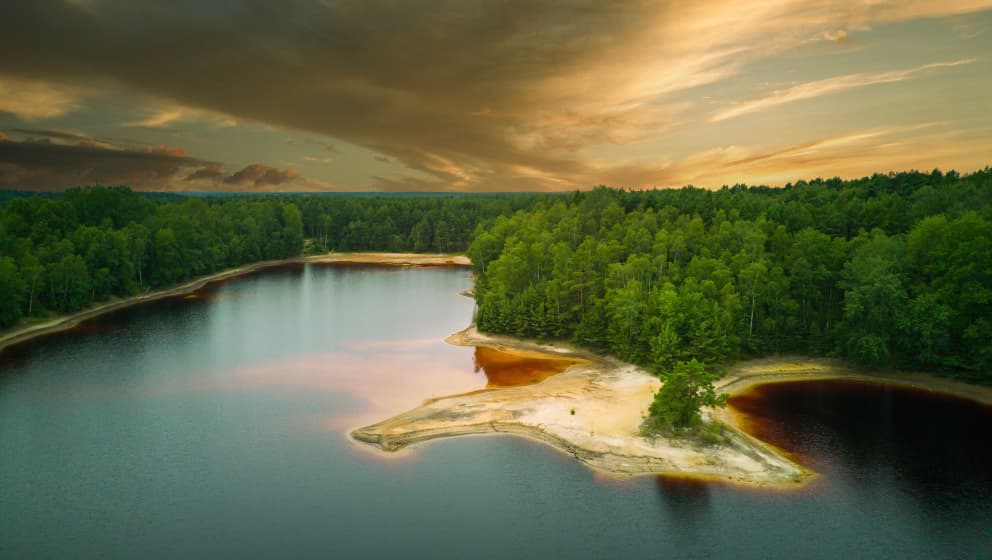
3. Lake Sielpia
A few kilometres beyond Końskie, the route passes close to Sielpia Wielka, once one of the key centres of the Old Polish Industrial Region. Today, it is best known for its picturesque reservoir surrounded by pine forests – an ideal place to stop by the water and take a break before getting back on the road. It is worth making the short detour to experience the contrast between the area’s industrial past and its present-day holiday atmosphere.
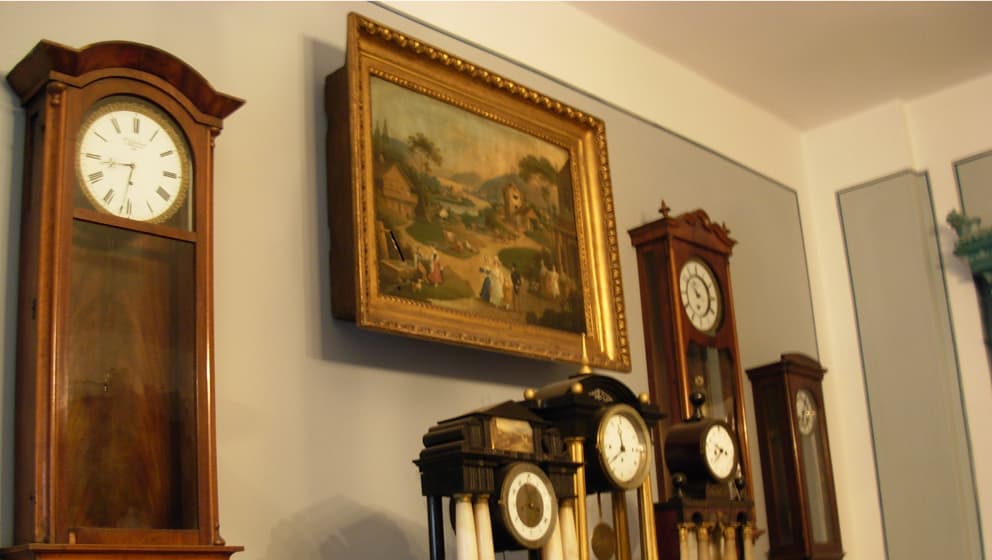
5. The Museum of Timekeeping in Jędrzejów
The route passes straight through Jędrzejów, so no detour is needed. It is worth stopping in the market square and visiting the Przypkowski Museum, where time quite literally stands still behind glass. Its collection of clocks, sundials and astronomical instruments has grown into one of the richest of its kind in the world. The museum library also holds 325 early printed books dating from 1501 to 1800, including a Basel edition of Copernicus’ De revolutionibus orbium coelestium. For anyone who has chosen to leave the expressway behind and experience time at a different pace, it is hard to imagine a more fitting stop.
Fot. Piotrus / Wikimedia Commons, license CC BY-SA 3.0 PL.
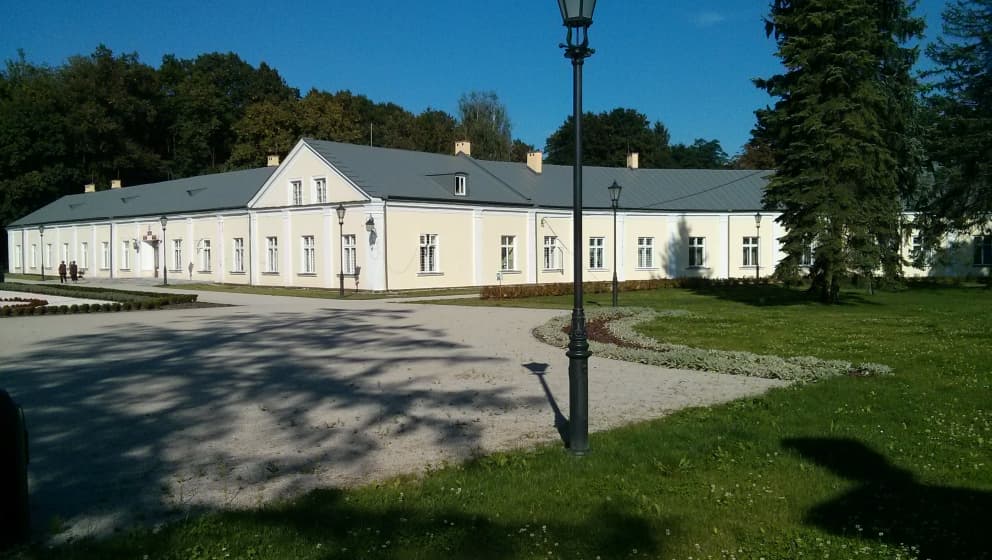
2. A stop in Końskie
Końskie still bears traces of its role on this historic travel route. The town was already a postal station in the 18th century, while street names such as Warszawska, Krakowska and Pocztowa recall its connection with the old Warsaw-Kraków route. The Małachowski Palace and Park complex is well worth a stop, particularly for its unusual Egyptian Orangery.
Fot. Jacmu / Wikimedia Commons, license CC BY-SA 3.0 PL.
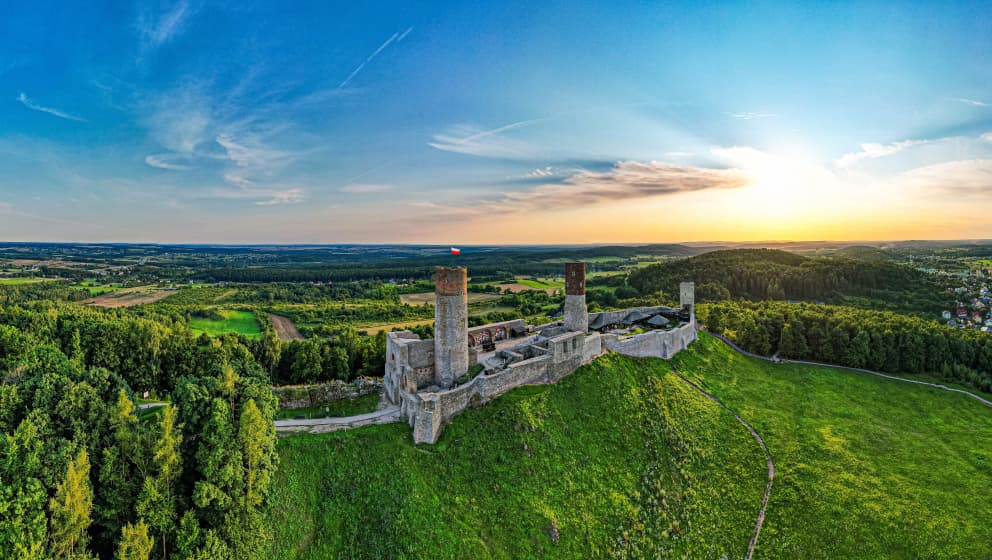
4. Raj Cave and Chęciny Castle
A little further on, around Jędrzejów, there is the option of a longer detour from the historic route – around 40 kilometres towards Chęciny. This is no longer part of the original road described here, but for motorcyclists looking to add some variety to a day’s ride, the area has plenty to offer: the Royal Castle in Chęciny and, seven kilometres away, Raj Cave, one of Poland’s most remarkable karst caves.
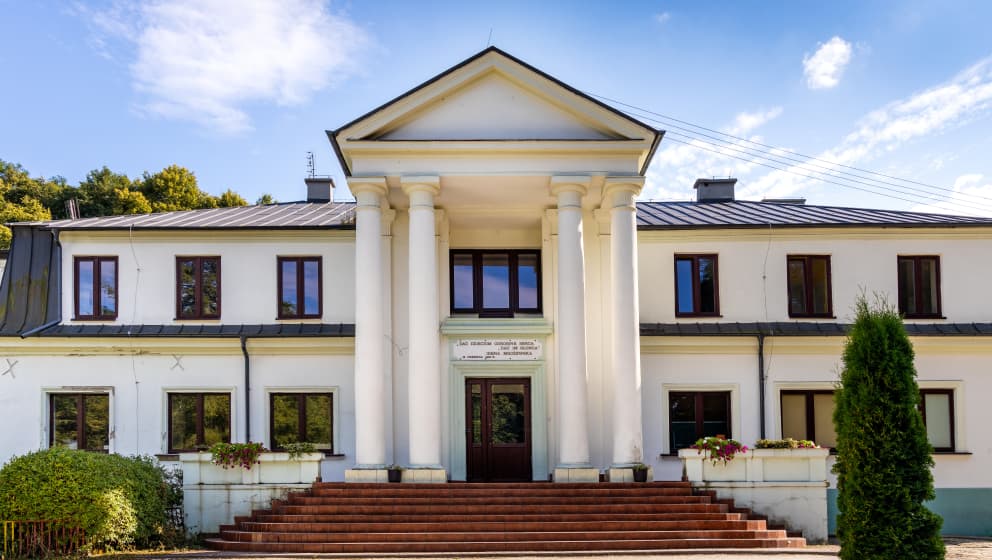
6. Mikołaj Rej Manor
Nagłowice, near Jędrzejów, was once home to Mikołaj Rej, a Renaissance poet and writer known as the father of Polish literature. His former manor now houses a museum dedicated to his life and work, while the surrounding park is home to oak trees that date back to his time.
Neuroscientists increasingly point to the benefits of simply doing new things, without a specific goal or reward, for how the brain functions. An unfamiliar road demands more attention, provides fresh stimuli and is more likely to leave a lasting impression. Paradoxically, it is when we stop trying to save time that we really start to notice it.
When you stop saving time
Neuroscientists increasingly point to the benefits of simply doing new things, without a specific goal or reward, for how the brain functions. An unfamiliar road demands more attention, provides fresh stimuli and is more likely to leave a lasting impression. Paradoxically, it is when we stop trying to save time that we really start to notice it.

Trip details
Finish
But the journey doesn’t end here — explore other roads




The path to building strong position on the Polish market
Explore route details